
Lubrication & Drainage

Pay in 3 interest-free payments on purchases from £20-£3000 with  . Learn more.
Loading...
End of content
Error - No more pages to load
About Lubrication & Drainage
Proper lubrication and drainage equipment forms the backbone of effective maintenance programmes across professional workshops, garages, and industrial facilities throughout the UK. This comprehensive category encompasses the essential tools and products required to keep machinery running smoothly and efficiently, from precision grease guns and high-performance lubricants to robust oil drainers and compliant waste oil containers. Whether servicing heavy plant machinery, maintaining automotive vehicles, or looking after industrial equipment, having the right lubrication and drainage solutions ensures optimal performance, extends equipment lifespan, and maintains workplace safety standards in line with HSE requirements.
The range available from Tooled-Up.com includes everything from manual and pneumatic grease guns to specialist degreasants, multi-purpose lubricants, and professional-grade oil drain pans designed for demanding trade applications. Grease units provide bulk storage solutions for high-volume operations, whilst precision oil cans and oilers allow for targeted application in confined spaces and hard-to-reach components. Modern drainage products are engineered to make oil changes and fluid disposal cleaner, safer, and more efficient, helping tradespeople and facility managers comply with COSHH guidelines and environmental regulations surrounding hazardous waste oil handling.
Quality lubrication and drainage equipment represents a worthwhile investment for any tradesperson, mechanic, or facilities manager. Regular, proper lubrication reduces friction, prevents premature wear, minimises costly downtime, and can significantly extend the operational life of expensive machinery. Efficient drainage systems ensure maintenance tasks are completed quickly and without mess, improving workshop productivity and maintaining professional standards. From small-scale DIY enthusiasts to large commercial workshops and fleet maintenance operations, the products in this category cater to all levels of professional need and application intensity.
Jargon Buster
- NLGI Grade: The National Lubricating Grease Institute classification system rating grease consistency from 000 (semi-fluid) to 6 (very firm). Most automotive and general-purpose applications use NLGI Grade 2, which has a consistency similar to peanut butter and works well across typical UK temperature ranges.
- Viscosity: A measure of a lubricant's resistance to flow, typically expressed in weight grades such as 10W-40. Higher viscosity oils are thicker and flow more slowly, suited to heavy loads and high temperatures, whilst lower viscosity oils are thinner and flow more readily, ideal for cold starts and precision mechanisms.
- Penetrating Oil: A low-viscosity lubricant specifically formulated to seep into tight spaces and corroded threads, commonly used to loosen seized or rusted fasteners by breaking down corrosion and reducing friction. Essential for maintenance work on older equipment and outdoor machinery.
- COSHH Compliance: Adherence to the Control of Substances Hazardous to Health Regulations, which govern the safe handling, storage, and disposal of lubricants, degreasants, and waste oils in UK workplaces. Requires risk assessments, proper labelling, and appropriate PPE.
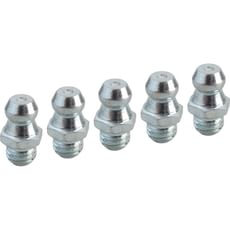
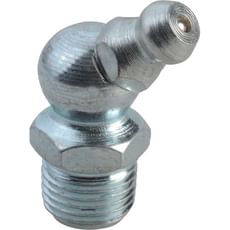
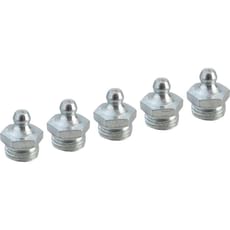
- Grease Nipple (Zerk Fitting): A small valve fitting that allows grease to be injected into a bearing or mechanical joint using a grease gun, whilst preventing contaminants from entering. Standard UK fittings are typically 1/8" BSP thread.
- Base Oil: The primary component of a lubricant, which may be mineral (petroleum-based), synthetic, or bio-based (vegetable oil). The base oil determines many of the lubricant's performance characteristics including temperature range, oxidation resistance, and environmental impact.
Who Uses Lubrication & Drainage?
Lubrication and drainage equipment serves a diverse range of trades and industries across the UK:
- Motor Mechanics and Auto Electricians: For routine vehicle servicing, oil changes, component lubrication, and maintaining workshop equipment
- Plant Engineers: Maintaining heavy machinery, agricultural equipment, construction plant, and earthmoving equipment in demanding conditions
- HGV and Fleet Maintenance Technicians: Servicing commercial vehicles, managing bulk lubrication requirements, and maintaining large-capacity drainage systems
- Manufacturing and Production Facilities: Keeping production line machinery, conveyors, presses, and automated equipment operating efficiently with scheduled preventative maintenance
- Bicycle Mechanics: Applying specialist chain lubricants, maintaining bearing assemblies, and servicing suspension components
- Marine Engineers: Protecting components from corrosion in harsh saltwater environments and maintaining boat engines, winches, and deck equipment
- Building Services Engineers: Maintaining HVAC systems, pumps, lifts, and mechanical installations in commercial and residential properties
- Agricultural Contractors: Servicing tractors, combines, balers, and farm machinery exposed to dust, moisture, and extreme operating conditions
- Railway Maintenance Teams: Lubricating points, switches, and rolling stock components to demanding industry specifications
- DIY Enthusiasts and Home Mechanics: Carrying out their own vehicle maintenance, servicing garden machinery, and maintaining home workshop equipment
- Facilities Managers: Overseeing preventative maintenance programmes across commercial properties, retail parks, and industrial estates
How to Choose the Right Lubrication & Drainage
Selecting appropriate lubrication and drainage equipment depends on several key factors specific to your working environment and application requirements:
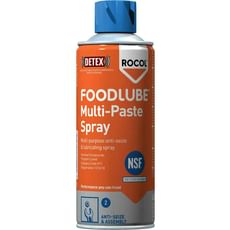
Application Type: Consider what you'll be lubricating or draining. Automotive work requires different products than industrial machinery maintenance or food processing equipment. High-temperature applications need specialist high-temp greases rated to 150°C or above, whilst marine environments demand water-resistant lubricants with superior anti-corrosion properties. Food-grade facilities must use NSF-certified lubricants that meet strict hygiene standards.
Volume and Frequency: Occasional users may only need a basic hand-operated grease gun and small oil drain pan, whilst busy workshops benefit from pneumatic or battery-powered grease guns that reduce operator fatigue and large-capacity oil drainers with wheels for easier manoeuvrability around the workshop floor. Consider whether you're servicing one vehicle weekly or processing dozens daily.
Grease Gun Capacity and Pressure: Standard grease guns typically hold 400-500g of grease and deliver pressures around 7,000 PSI, suitable for most automotive and light industrial applications. Heavy-duty plant machinery may require higher capacities and pressures up to 10,000 PSI. Consider whether you need a pistol-grip for general use, lever-action for maximum pressure, or mini grease gun for confined spaces and accessibility.
Environmental and Regulatory Compliance: Ensure drainage containers meet UK environmental standards for waste oil storage and that lubricants comply with relevant industry specifications. Browse the selection at Tooled-Up.com for products meeting BS/EN standards. Bio-degradable lubricants suit environmentally sensitive locations, whilst COSHH-compliant storage is mandatory for commercial operations.
Portability Requirements: Mobile mechanics and on-site engineers need compact, portable solutions that fit in service vans, whilst fixed workshops can accommodate larger grease units, wall-mounted dispensing systems, and stationary drainage stations. Consider storage space, transportation methods, and whether you need weatherproof equipment for outdoor use on construction sites.
Compatibility: Check that grease gun couplers match your equipment's grease nipples (typically 1/8" BSP in UK applications). Oil cans should have spouts appropriate for your machinery's fill points, and drain pans must be compatible with the types and volumes of fluids you handle, including oils, coolants, and hydraulic fluids with different disposal requirements.
Popular Accessories
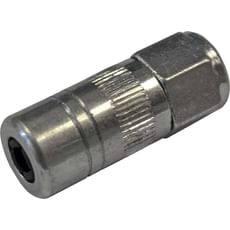
- Grease Gun Couplers and Nozzles: Various types including hydraulic quick-release, button-head for flush fittings, and flexible hose extensions up to 600mm for reaching awkward grease points on plant machinery
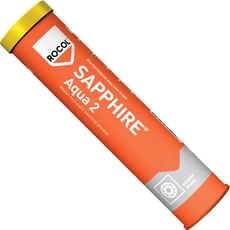
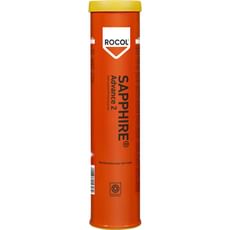
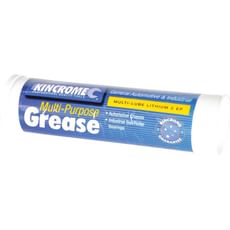
- Grease Cartridges and Bulk Grease: Pre-filled 400g cartridges for convenience and cleanliness or bulk 5kg and 25kg tubs for economy in high-volume workshop applications
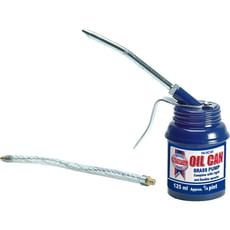
- Oil Can Spouts and Funnels: Precision spouts in various lengths for targeted application and anti-spill funnels with filters for cleaner filling and fluid transfer
- Drain Pan Accessories: Telescopic draining wands for reaching sump plugs, filter screens to catch debris, and replacement drain plugs with magnetic tips
- Fluid Transfer Pumps: Manual and electric pumps for moving waste oil from drain pans to disposal containers, including 240v mains-powered and 12v options for mobile use
- Absorbent Mats and Spill Kits: Essential for managing leaks, containing spills, and maintaining clean, safe working areas in compliance with HSE requirements
- Storage and Dispensing Systems: Wall-mounted holders for grease guns, oil cans, and spray lubricants to keep workshops organised and improve efficiency
- Cleaning Brushes and Wipers: Wire brushes for preparing surfaces before lubrication, parts cleaning brushes, and industrial-grade wiping cloths
- Lubricant Identification Labels: Colour-coded tags and labels to prevent cross-contamination and ensure correct product application
Safety Information
Working with lubrication and drainage products requires adherence to important safety protocols to protect operators and the environment. Always wear appropriate PPE including nitrile or chemical-resistant gloves and safety glasses when handling oils, greases, and degreasants, as many petroleum-based products can cause skin irritation, dermatitis, or eye damage with prolonged or repeated exposure. Ensure adequate ventilation when using aerosol lubricants or solvent-based degreasants, particularly in enclosed workshops or inspection pits where vapours can accumulate.
Waste oils and used lubricants are classified as hazardous waste under UK environmental regulations and must be disposed of through authorised waste carriers—never pour waste oil down drains, into watercourses, or onto the ground, as penalties for environmental pollution are severe. Store drainage containers securely on level ground to prevent spills, and keep them well away from sources of ignition as many lubricants and oils have low flash points and are highly flammable. Maintain suitable fire extinguishers rated for Class B fires in areas where significant quantities of oils are stored or handled.
When using grease guns under pressure, ensure couplers are properly attached and fully engaged before pumping to prevent high-pressure grease injection injuries, which can penetrate skin and cause serious tissue damage requiring immediate medical attention. Always follow COSHH guidelines when storing and handling lubrication products, ensuring Safety Data Sheets (SDS) are readily available and that all staff handling these materials have received appropriate training. Keep lubricants and degreasants away from foodstuffs and stored in their original labelled containers to prevent accidental ingestion or misuse. Ensure workshop floors are kept clean and free from oil spills to prevent slip hazards, using absorbent materials and degreasing agents promptly when spills occur.
Frequently Asked Questions
What's the difference between grease and oil for lubrication?
Grease is essentially oil mixed with a thickening agent (usually lithium, calcium, or aluminium soap) that stays in place, making it ideal for bearings, joints, chassis points, and vertical surfaces where oil would simply run off. Oil provides better cooling properties and is suited to high-speed applications, gearboxes, and systems with circulation pumps or splash lubrication. Grease is typically used in applications with less frequent maintenance access or where sealing out contaminants is important, whilst oil suits enclosed systems with regular servicing schedules and where heat dissipation is critical.
How often should I lubricate my equipment?
Lubrication frequency depends on the equipment manufacturer's recommendations, operating conditions, load intensity, and usage patterns. As a general guide, heavily-used machinery in dusty, wet, or corrosive environments requires more frequent lubrication than equipment in clean, dry conditions with intermittent use. Plant machinery on construction sites might need daily greasing, whilst workshop equipment might only require weekly or monthly attention. Always consult your equipment's maintenance schedule and adjust based on operating conditions, environmental factors, and any signs of increased wear, noise, or running temperature.
Can I mix different types of grease?
Mixing incompatible greases can cause the thickener to break down, resulting in separation, reduced lubrication performance, and potential equipment damage. If you must switch grease types, it's best to thoroughly purge and clean out the old grease first. Lithium-based greases (the most common type) are generally compatible with each other, but mixing lithium with calcium, aluminium complex, or polyurea greases should be avoided. Different NLGI grades of the same grease type can usually be mixed, though the resulting consistency will be somewhere between the two. When in doubt, purge the old grease completely before applying a different type, or consult the lubricant manufacturer's compatibility charts.
What capacity oil drain pan do I need for my workshop?
Choose a drain pan with capacity exceeding your largest typical oil change requirement by at least 30% to provide adequate spillage margin and prevent overfilling. A typical family car holds 4-6 litres of engine oil, so an 8-10 litre pan provides suitable capacity with safety margin. Commercial workshops servicing vans, 4x4s, or light commercial vehicles should consider 16-20 litre capacity drainers, whilst facilities handling HGVs or plant machinery require 30-60 litre professional drainers with robust wheels for easier movement and integrated handles for controlled pouring. Remember that you'll also be draining other fluids like coolant and transmission fluid, which adds to the total volume.
Are aerosol lubricants as effective as liquid oils and greases?
Aerosol lubricants offer excellent convenience and penetration into tight spaces, making them ideal for freeing seized fasteners, lubricating cables and linkages, or treating hard-to-reach components without disassembly. However, they typically don't provide the long-lasting protection of thicker oils or greases applied directly to bearing surfaces. The solvent carrier in aerosols evaporates quickly, leaving only a thin lubricating film. Aerosols work best for light-duty applications, preventative maintenance spraying, water displacement, and situations requiring precision application or temporary lubrication, whilst traditional oils and greases suit heavy-load bearing surfaces, high-pressure points, and applications requiring durable, long-lasting lubrication films that resist washing out.