

Luggage Roof Bars
Pay in 3 interest-free payments on purchases from £30-2000 with  . Learn more.
 Loading...
End of content
Error - No more pages to load
About Luggage Roof Bars
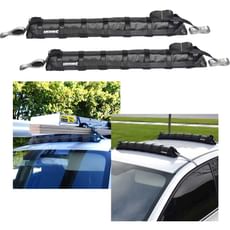
Luggage roof bars provide a practical solution for transporting bulky items, sporting equipment, and oversized loads when internal vehicle space is limited. Unlike permanent roof rack systems that require professional fitting and specific mounting points, soft luggage roof bars offer a versatile, no-drill alternative that can be fitted and removed within minutes. These innovative systems use heavy-duty straps that pass through the vehicle's door apertures, creating a secure platform on the roof without any modifications to the bodywork. For tradespeople making occasional deliveries, DIY enthusiasts collecting materials, or anyone needing temporary additional carrying capacity, these portable roof bars represent an affordable and convenient transport solution.
The Tooled-Up range includes soft luggage roof bars constructed from waterproof synthetic materials with reinforced stitching and robust nylon straps rated for substantial loads. Modern designs typically feature protective neoprene padding at contact points to prevent scratches and scuffs to paintwork during loading and unloading. Unlike rigid aluminium or steel roof bar systems, soft luggage bars fold away compactly for storage in the boot when not required, making them ideal for users who only occasionally need extra carrying capacity rather than permanent roof-mounted equipment.
Quality luggage roof bars available from Tooled-Up.com offer impressive load capacities—commonly supporting up to 80kg of cargo—whilst maintaining weatherproof protection through sealed seams and water-resistant fabrics. The adjustable strap systems accommodate different vehicle widths and roof profiles, providing versatility across various car types. When used with proper load distribution and secure lashing straps, these portable roof bars enable safe transportation of items like camping gear, sports equipment, lightweight building materials, or bulky purchases that won't fit inside the vehicle.
Jargon Buster
- Load Rating: The maximum weight capacity that soft roof bars can safely support, typically measured in kilograms. Always verify this doesn't exceed your vehicle manufacturer's maximum roof load specification, which may be lower than the bar's rated capacity.
- Through-Door Strapping: The fitting method where heavy-duty nylon or polyester straps pass through the vehicle's door apertures and secure underneath, creating tension that holds the roof bars firmly in place without drilling or permanent fixings.
- Neoprene Buckle Protectors: Cushioned protective covers fitted over metal buckles and fasteners to prevent scratching, scuffing, or denting of vehicle paintwork during installation, adjustment, and loading operations.
- Waterproof Synthetic Material: Heavy-duty fabric construction, typically reinforced polyester or similar synthetic textiles, treated for water resistance to protect both the bars themselves and cargo from British weather conditions.
- Double Stitching: Reinforced seam construction where two parallel rows of stitching provide enhanced strength and durability at stress points, preventing premature failure under load or during extended use.
- Replaceable Harness: The strap and buckle assembly that can be detached and replaced if damaged or worn, extending the useful life of the roof bar system without requiring complete replacement.
Who Uses Luggage Roof Bars?
Soft luggage roof bars suit a diverse range of users requiring occasional or temporary additional carrying capacity:
- DIY Enthusiasts: Home improvers collecting materials, transporting equipment, or moving purchased items too large for the interior
- Outdoor and Sports Enthusiasts: Campers, kayakers, and cyclists needing to transport recreational equipment and gear
- Small Business Owners: Traders requiring occasional delivery capability without investing in permanent commercial roof rack systems
- Property Maintenance Workers: Contractors needing flexible transport solutions for varying equipment between different jobs
- Gardeners and Landscapers: Moving plants, lightweight materials, and equipment for domestic gardening projects
- House Movers: People relocating or making house clearances who need temporary additional capacity
- Market and Event Traders: Vendors transporting gazebos, display equipment, and stock to outdoor events
- Decorators: Carrying lightweight equipment, step ladders, and materials for residential decoration work
- Festival Goers: Groups transporting camping equipment, tents, and supplies for extended outdoor events
- Furniture Collectors: Individuals collecting flat-pack furniture, secondhand items, or auction purchases
How to Choose the Right Luggage Roof Bars
Vehicle Compatibility: Verify that soft luggage roof bars suit your vehicle type. These systems work best with conventional four-door saloons, hatchbacks, and estate cars with standard roof profiles. Vehicles with panoramic glass roofs, convertibles, or unusual door configurations may not be compatible. Check that door seals will accommodate straps passing through without damage or water ingress.
Load Capacity Requirements: Assess the typical weight of items you'll transport. Quality soft luggage bars support approximately 80kg, suitable for camping gear, sports equipment, or lightweight materials, but aren't appropriate for heavy building supplies or multiple ladders that require rigid commercial roof bar systems. Always check your vehicle's maximum roof load specification in the handbook—this may be considerably lower than 80kg for some models.
Construction Quality: Look for heavy-duty waterproof materials with reinforced double stitching at stress points. Robust nylon or polyester straps with secure buckle mechanisms ensure safe load retention. Neoprene padding at contact points protects vehicle paintwork from scratches during loading operations and transit vibration.
Ease of Installation: Consider how frequently you'll fit and remove the bars. Through-door strap systems should adjust easily to accommodate your vehicle's dimensions and allow quick installation without tools or complicated procedures. Clear fitting instructions are essential for safe and secure mounting.
Storage Considerations: When not in use, soft luggage bars should fold compactly for boot storage without occupying excessive space. This portability advantage over permanent rigid systems makes them ideal for occasional users who don't want roof bars fitted permanently.
Replaceable Components: Systems with replaceable harnesses and straps offer better long-term value, allowing worn components to be renewed rather than replacing the entire unit. Check whether replacement parts are readily available from the manufacturer or stockists like Tooled-Up.
Weather Protection: Waterproof construction protects cargo from rain during transit and prevents the bars themselves from deteriorating through water absorption. Sealed seams and water-resistant fabrics ensure reliability in typical British weather conditions.
Popular Accessories
Enhance the functionality and safety of your luggage roof bars with these complementary products:
- Ratchet Straps and Tie-Downs: Heavy-duty lashing equipment for securing cargo firmly to the roof bars, preventing movement during transit
- Protective Blankets and Mats: Additional cushioning to protect both cargo and vehicle paintwork from scratches and abrasion
- Cargo Nets: Elasticated or fixed nets that secure multiple smaller items and prevent them shifting or falling
- Waterproof Covers and Tarpaulins: Additional weather protection for cargo sensitive to moisture during transportation
- Roof Bags and Boxes: Soft luggage designed specifically for roof mounting, providing weatherproof storage capacity
- Load Markers and Flags: Required when loads project beyond vehicle dimensions to maintain visibility and comply with regulations
- Buckle Protectors: Additional protective padding for vehicles with sensitive paint finishes or metallic coatings
- Replacement Straps: Spare harnesses and webbing to replace worn components and extend system lifespan
- Rubber Matting: Non-slip surface material to prevent cargo movement and protect the roof bars from abrasion
Safety Information
Installation Requirements: Follow manufacturer fitting instructions precisely when installing soft luggage roof bars. Ensure straps pass through door apertures correctly without twisting and that doors close securely with straps in place. Check that door seals aren't damaged and maintain weatherproof integrity. Verify all buckles are fastened securely and straps are tensioned evenly on both sides before loading any cargo.
Load Limits and Distribution: Never exceed the manufacturer's stated load capacity or your vehicle's maximum roof load specification, whichever is lower. Distribute weight evenly across the roof bars and position heavier items centrally. Remember that vehicle handling, braking performance, and fuel economy all deteriorate with roof-mounted loads, particularly at higher speeds or in crosswinds.
Securing Loads: Use appropriate additional lashing equipment to secure all cargo firmly to the roof bars. Soft bars alone provide the platform; separate ratchet straps or tie-downs must secure the actual load. Check all fastenings are tight before every journey and re-inspect after the first few miles, then periodically during longer trips. Unsecured loads represent serious hazards to other road users under UK road traffic legislation.
Height Awareness: Roof-mounted cargo significantly increases your vehicle's total height. Remain vigilant about height restrictions in multi-storey car parks, drive-throughs, service stations with canopies, and when passing under bridges or tree branches. Many accidents occur when drivers forget about increased vehicle height with loaded roof bars.
Driving Considerations: Adjust your driving style to account for roof loads. Reduce speeds, particularly on motorways and during adverse weather. Allow increased braking distances and take corners more gradually. Roof loads raise the vehicle's centre of gravity, increasing susceptibility to crosswinds and reducing stability during sudden manoeuvres.
Regular Inspection: Before each journey, inspect straps for fraying, buckles for security, and protective padding for displacement. Check that straps haven't loosened during loading. Remove bars promptly after use rather than leaving them fitted permanently, as UV exposure and weathering gradually degrade synthetic materials, reducing load capacity and safety margins.
Door Seal Integrity: Periodically verify that door seals haven't been damaged by strap placement. Water ingress through compromised seals can cause interior damage and rust. If you notice increased wind noise or water entering the cabin, remove the roof bars immediately and inspect seals for damage.
Frequently Asked Questions
How do soft luggage roof bars attach without drilling or roof rails?
Soft luggage roof bars use a through-door strapping system where heavy-duty nylon or polyester straps pass through the vehicle's door apertures between the door and frame. When doors close, the straps are held securely in place, and tensioning buckles on the exterior create firm pressure that holds the roof bars against the roof. Neoprene padding protects paintwork whilst providing grip. This system requires no drilling, permanent fixings, or existing roof rails, making installation and removal quick and simple.
Are soft luggage roof bars suitable for transporting ladders or building materials?
Soft luggage roof bars are designed for lighter loads such as camping equipment, sports gear, luggage, and occasional lightweight materials. They're not appropriate for heavy building supplies, multiple ladders, scaffold poles, or the substantial loads that tradespeople regularly carry. For professional trade use requiring frequent transport of heavy or bulky materials, rigid aluminium or steel roof bar systems with proper fixing points offer greater load capacity, stability, and durability. Soft bars suit occasional users rather than daily commercial applications.
Will the straps damage my door seals or paintwork?
Quality soft luggage roof bars feature neoprene or rubber padding at all contact points specifically to prevent paintwork damage and protect door seals. When fitted correctly according to manufacturer instructions, they shouldn't cause damage. However, ensure straps are positioned flat without twisting, buckles have protective covers, and you don't overtighten excessively. Remove bars promptly after use rather than leaving them fitted for extended periods. Regularly inspect door seals for any signs of compression or damage, and reposition straps if necessary.
Can I use soft luggage roof bars on any vehicle?
Soft luggage roof bars suit most conventional four-door vehicles with standard roof profiles and door configurations. They work well on saloons, hatchbacks, and estate cars. However, they may not be suitable for convertibles, vehicles with panoramic glass roofs, certain sports cars with unusual door seals, or three-door vehicles where strap placement becomes problematic. Check manufacturer compatibility guidance and your vehicle handbook's maximum roof load specification before purchasing. Some vehicles explicitly prohibit roof loads or have very low maximum weight limits.
How much does a soft luggage roof bar system typically weigh, and does this count towards my roof load limit?
Soft luggage roof bars typically weigh between 2-5kg, considerably lighter than rigid aluminium or steel alternatives. This weight does count towards your vehicle's maximum roof load specification, though it represents a small proportion. For example, if your vehicle has an 80kg maximum roof load and the bars weigh 3kg, you have 77kg capacity remaining for cargo. Always check your vehicle handbook for the specific maximum roof load—this varies significantly between models and may be surprisingly low on some vehicles with glass roofs or lightweight construction.