

Magnetic Collectors & Trays

Pay in 3 interest-free payments on purchases from £20-£3000 with  . Learn more.
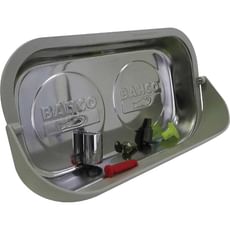
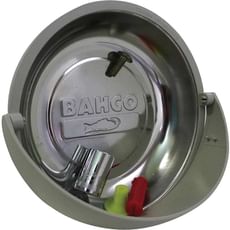

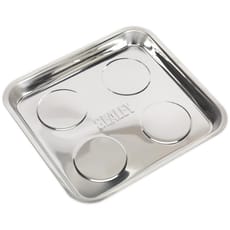
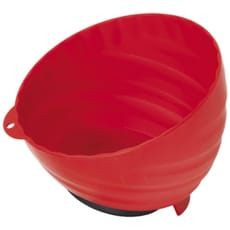
 Loading...
End of content
Error - No more pages to load
About Magnetic Collectors & Trays
Magnetic collectors and trays are indispensable workshop organisers that use powerful magnets to secure small metal components, fasteners, and tools during repairs, maintenance, and assembly work. These practical accessories prevent screws, nuts, bolts, washers, drill bits, and other ferrous metal parts from rolling away, dropping into machinery, or disappearing on the workshop floor. Whether you're dismantling an engine, servicing industrial equipment, or working on precision assembly tasks, magnetic parts trays maintain workspace organisation and eliminate the frustration and wasted time associated with searching for lost components.
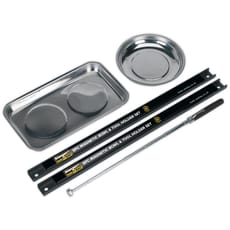
Available in diverse configurations including circular bowls, rectangular trays, collapsible designs, and mesh strainers, these magnetic organisers accommodate everything from light assembly work with small fasteners to heavy-duty applications involving larger bolts and sockets. Tooled-Up.com stocks premium stainless steel construction options from leading manufacturers such as Sealey, Bahco, and Draper, offering superior corrosion resistance for professional workshop environments where exposure to oils, fluids, and moisture is commonplace. Many designs feature magnetic bases that securely attach to metallic surfaces like toolboxes, workbenches, or vehicle panels, positioning your parts collector exactly where you need it.
Modern magnetic trays incorporate thoughtful design elements that enhance functionality beyond simple parts containment. Raised edges provide secure retention even when trays are positioned at angles, whilst mesh bases allow drainage when working with oily components or during parts washing operations. Collapsible options with flexible silicone sides fold flat for compact storage and transportation, making them ideal for mobile mechanics and site work. These tools have become essential for mechanics, engineers, fabricators, and DIY enthusiasts who value efficiency and organisation, helping to prevent costly lost fasteners whilst maintaining productivity during critical repair and assembly tasks.
Jargon Buster
- Ferrous Metal: Metals containing iron that are magnetically attracted. This includes steel screws, bolts, washers, and most common workshop fasteners. Non-ferrous metals like aluminium, brass, and copper will not be held by magnetic trays, requiring alternative storage methods.
- Magnetic Flux Density: The measurement of magnetic field strength, which determines how securely parts are held and the maximum weight capacity of the tray. Higher flux density enables the tray to hold heavier components and maintain grip even when mounted vertically or inverted.
- Mesh Base Design: A perforated or mesh bottom construction that allows oils, fluids, and cleaning solutions to drain through whilst magnetically retaining metal parts. Particularly valuable in automotive workshops and when working with greasy components that require cleaning.
- Collapsible Design: Magnetic trays featuring flexible silicone or rubber sides that fold down for compact storage and transportation, then expand to create a parts containment area when deployed. Offers space-saving benefits for mobile tradespeople and workshops with limited storage.
- Stainless Steel Construction: Premium tray material offering exceptional corrosion resistance and durability compared to standard steel. Essential in environments where exposure to automotive fluids, cutting oils, and moisture is constant, extending the working life of the organiser.
- Magnetic Base: The underside magnetic surface that allows the tray to adhere to ferrous metal surfaces such as toolboxes, machinery, workbenches, or vehicle bodywork, providing secure positioning and freeing up bench space during complex assembly or repair work.
Who Uses Magnetic Collectors & Trays?
- Motor Mechanics and Auto Technicians: For organising fasteners during engine rebuilds, brake repairs, gearbox work, and general vehicle maintenance where numerous small components must be tracked and reassembled correctly.
- Plant and Machinery Engineers: When servicing industrial equipment, hydraulic systems, and heavy machinery where keeping track of multiple bolts, fittings, and fasteners is essential for safe reassembly.
- Fabricators and Welders: For holding welding tips, clamps, metal fixings, and small tools during workshop fabrication projects, keeping everything organised and within easy reach.
- Bicycle Mechanics: Ideal for containing the numerous small bolts, washers, bearings, and components involved in bicycle assembly, repair, and maintenance work.
- Electricians: For organising terminal screws, cable clips, fixings, and small metal components during electrical installation and maintenance work on industrial and commercial sites.
- HVAC Engineers: When working on heating, ventilation, and air conditioning systems that require dismantling and reassembly of multiple fasteners and brackets.
- Maintenance Technicians: Across manufacturing, facilities management, and industrial settings for general repair and preventative maintenance tasks involving disassembly of equipment.
- Agricultural Engineers: When repairing and maintaining farm machinery, tractors, and equipment in workshop and field environments.
- DIY Enthusiasts: Home workshop users who value organisation and efficiency during projects involving disassembly and reassembly of appliances, furniture, and machinery.
- Model Makers and Hobbyists: For precision work requiring meticulous organisation of tiny screws, pins, and metal components during assembly of scale models and engineering projects.
How to Choose the Right Magnetic Collectors & Trays
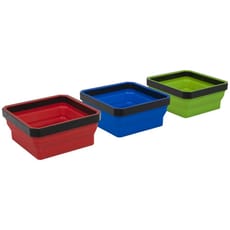
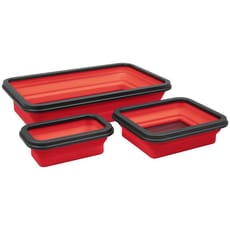
Size and Capacity: Consider the typical scale of your projects and the quantity of parts you need to organise. Small circular bowls (100-150mm diameter) suit light assembly work and small fasteners, whilst larger rectangular trays (200mm and above) accommodate bigger projects with numerous components. Multi-piece sets like the Sealey 3 Piece Collapsible Magnetic Parts Tray Set available from Tooled-Up.com offer versatility across different applications and fastener sizes.
Material Construction: Stainless steel trays from brands like Bahco, Draper, and Sealey provide superior corrosion resistance and longevity, particularly important in automotive workshops where exposure to oils, brake fluid, and moisture is constant. Standard steel options offer good value for dry workshop environments, whilst some designs incorporate rubber or silicone elements for flexibility, cushioning, and collapsible functionality.
Magnet Strength: Assess the weight and type of components you'll be storing. Heavy-duty magnets are essential for holding larger bolts, sockets, and tools, whilst lighter magnetic force suffices for small screws and washers. Check manufacturer specifications for holding capacity, particularly if you plan to mount trays vertically on machinery or inverted underneath vehicle panels where gravitational forces work against magnetic retention.
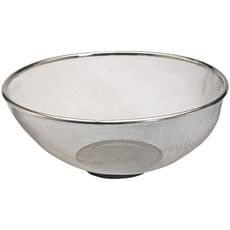
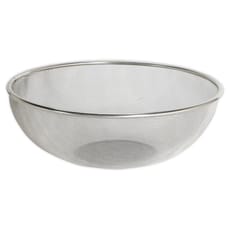
Design Features: Mesh or perforated bases are invaluable when working with oily parts or during cleaning operations, allowing drainage whilst magnetically retaining components. The Draper Magnetic Stainless Steel Mesh Parts Bowl exemplifies this design. Collapsible designs offer space-saving storage between jobs and easy transportation. Raised edges prevent parts from sliding off during movement, whilst magnetic bases enable secure mounting on toolboxes, vehicle panels, or machinery for positioning exactly where needed.
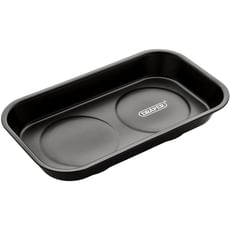
Shape and Configuration: Circular bowls provide easy access from all angles, ideal for bench-top use where you're working around the tray. Rectangular trays maximise surface area and fit efficiently in drawers or on shelves when not in use. Consider whether you need shallow dishes for quick part selection or deeper vessels for containing larger quantities of fasteners during extensive disassembly work.
Application Environment: For mobile mechanics or site work, robust construction, secure magnetic bases, and collapsible designs are essential for transportation between jobs. Workshop-based users might prioritise capacity, drainage features, and stainless steel construction for longevity. Consider whether you need multiple smaller trays for organising different fastener types and sizes or one larger collector for general-purpose use.
Popular Accessories
- Magnetic Pick-Up Tools: Extending magnetic wands, telescopic retrieval tools, and flexible magnetic collectors for recovering dropped fasteners from difficult-to-reach areas, engine bays, machinery gaps, and beneath equipment.
- Parts Washing Trays: Complementary cleaning trays, parts washers, and solvent basins for preparing oily or dirty components before placement in magnetic organisers.
- Modular Tool Storage Systems: Stanley FatMax, DeWalt TSTAK, Milwaukee PACKOUT, and Makita MakPac modular storage that accommodates magnetic trays alongside other workshop organisers for integrated workspace solutions.
- Workshop Mats: Anti-slip bench mats, parts organisation mats, and magnetic tool mats that work alongside magnetic trays for comprehensive workspace organisation and component protection.
- Fastener Organisers: Storage boxes, compartment systems, and organiser cases for long-term organisation of sorted fasteners after completion of projects.
- Magnetic Tool Holders: Wall-mounted magnetic strips, magnetic tool racks, and bar holders for broader workshop organisation of hand tools, drill bits, and metal implements.
- Parts Bins and Containers: Stackable storage solutions and compartment boxes for organising non-ferrous components like aluminium fittings, brass washers, and plastic fixings that cannot be held magnetically.
- Inspection Mirrors and Lighting: Flexible inspection mirrors, LED work lights, and magnetic torches for locating and retrieving dropped parts in dark or confined spaces.
Frequently Asked Questions
Will magnetic trays hold stainless steel fasteners?
Most stainless steel fasteners are manufactured from austenitic grades (such as 304 or 316) which are only weakly magnetic or completely non-magnetic due to their chromium-nickel composition. However, some stainless steel fasteners use ferritic or martensitic grades that retain magnetic properties. Magnetic trays will hold ferrous (iron-containing) metals strongly, but may have weak or no attraction to certain stainless steel components. For mixed fastener types, the raised edges of quality trays provide secondary mechanical containment to prevent loss.
Can I mount magnetic trays on aluminium toolboxes or workbenches?
No, magnetic trays require a ferrous metal surface to achieve magnetic adhesion. Aluminium, being non-ferrous, will not attract magnets regardless of magnetic strength. However, magnetic trays work perfectly as free-standing organisers on any bench surface, including aluminium, wood, or composite materials. If you need mounting capability on aluminium surfaces, consider trays with alternative attachment methods such as suction cups, or simply use them as tabletop organisers where their magnetic parts-holding capability remains fully effective.
How do I clean magnetic parts trays after working with oily components?
Mesh-based designs like those available at Tooled-Up can be rinsed with workshop degreaser or parts cleaner, allowing fluid to drain through whilst any remaining parts are magnetically retained. For solid trays, remove all parts first, then clean with appropriate workshop degreasers or solvent cleaners. Stainless steel construction resists corrosion and tolerates most cleaning chemicals, though avoid prolonged exposure to harsh acids or caustic solutions. For stubborn oil or grease, warm soapy water followed by thorough drying prevents rust on standard steel trays.
What's the benefit of collapsible magnetic trays versus rigid designs?
Collapsible trays offer significant space-saving advantages for mobile mechanics, service engineers, or workshops with limited storage. The flexible sides fold flat for transportation in toolboxes or drawer storage, then expand to create a containment area when deployed. Rigid trays generally offer more robust construction, higher weight capacity, and greater magnetic strength, making them better suited for permanent workshop locations with heavier components. Consider collapsible designs for versatility and mobility, whilst rigid trays provide maximum durability for stationary workshop use.
Can magnetic trays damage electronic components or sensitive equipment?
Whilst the magnetic fields from parts trays are relatively weak compared to industrial electromagnets or rare-earth magnets, it's prudent to keep them away from sensitive electronics, hard drives, memory cards, mechanical watches, and medical devices such as pacemakers. For general workshop fasteners, hand tools, and mechanical components, magnetic trays pose no issues whatsoever. If you're working with electronic assemblies, circuit boards, or precision instruments, use non-magnetic parts organisers instead, or maintain adequate separation (at least 300mm) between magnetic trays and sensitive equipment to avoid potential interference.