
Magnetic Pick Up Tools

Pay in 3 interest-free payments on purchases from £20-£3000 with  . Learn more.
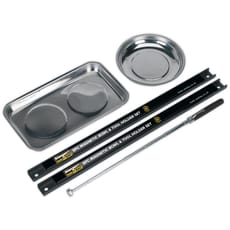
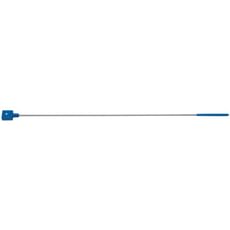
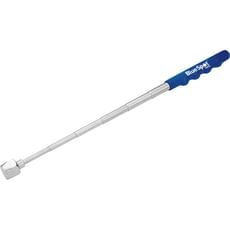
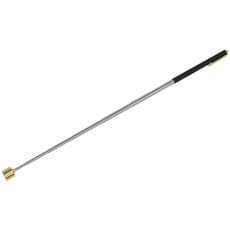
Loading...
End of content
Error - No more pages to load
About Magnetic Pick Up Tools
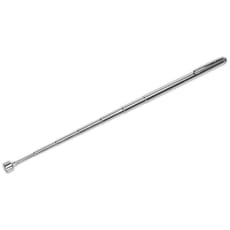
Magnetic pick up tools are essential retrieval devices designed to recover dropped metallic items from hard-to-reach locations where conventional methods fail. These ingenious tools use powerful neodymium or ceramic magnets mounted on flexible shafts, telescopic poles, or fixed handles to extract ferrous objects from engine bays, behind machinery, down drains, and other confined spaces. Whether you've dropped a bolt into a cramped automotive compartment or need to retrieve swarf from workshop floors, magnetic pick up tools provide an efficient solution that saves time, frustration, and potential damage from invasive recovery attempts.
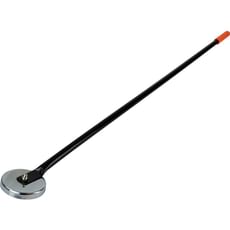
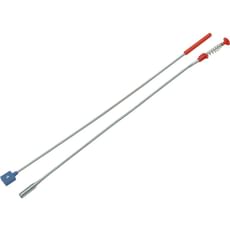
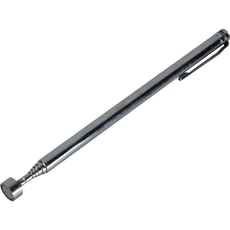
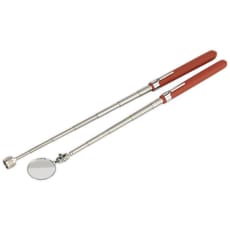
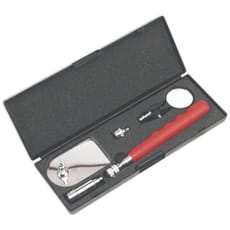
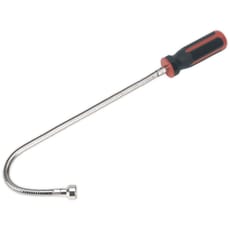
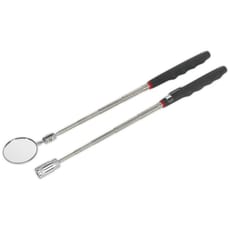
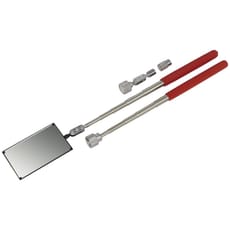
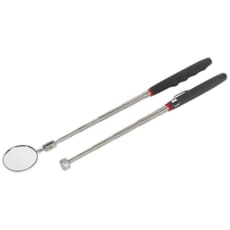
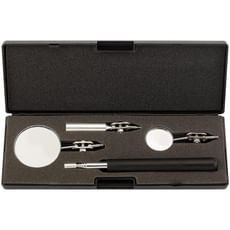
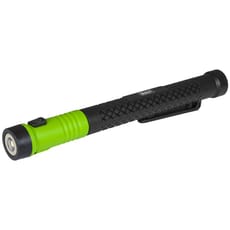
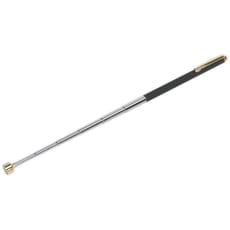
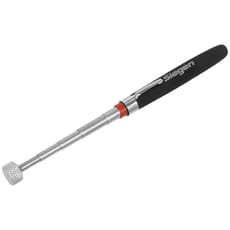
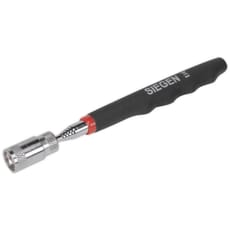
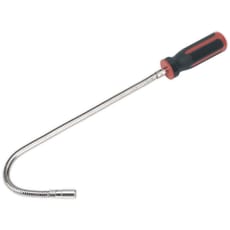
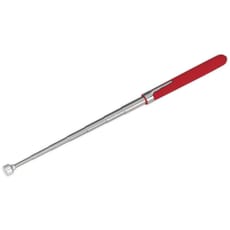
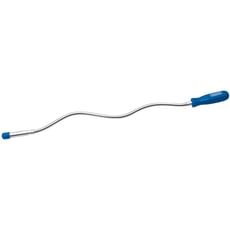
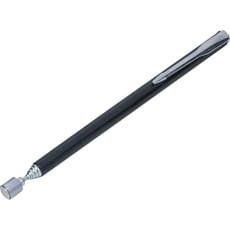
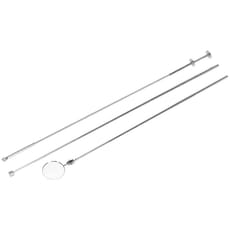
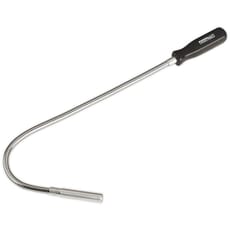
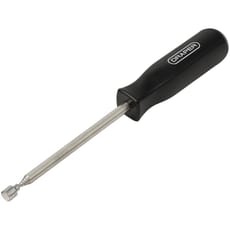
The range available from Tooled-Up.com includes several distinct types of magnetic retrieval devices. Telescopic magnetic pick up tools extend from compact pocket-sized lengths to over 800mm, allowing users to reach deep into recesses whilst maintaining control. Flexible magnetic pick up tools feature bendable shafts that navigate around obstacles and hold their shape to access awkward angles. Magnetic workshop sweepers and rollers collect metallic debris, swarf, and fasteners from workshop floors, driveways, and construction sites. Many premium models incorporate additional features such as LED illumination to light up dark cavities, inspection mirrors for visual location before retrieval, and soft-grip handles for comfortable extended use.
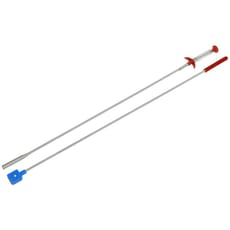
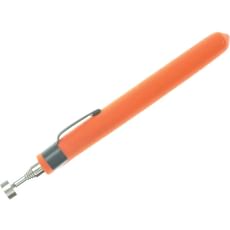
Professional-grade magnetic pick up tools typically offer lifting capacities ranging from 500g for compact pen-style retrievers up to 15kg for heavy-duty telescopic models. Complementary products like magnetic parts trays, bowls, and organisers help prevent small metallic components from being dropped in the first place, whilst magnetic claw pick up tools combine magnetic attraction with mechanical gripping for versatile retrieval of both ferrous and non-ferrous items.
Jargon Buster
- Lifting Capacity: The maximum weight of ferrous metal that the magnet can securely hold and lift, typically measured in kilograms or pounds. This varies considerably between models, from 500g for compact tools to 15kg for heavy-duty versions.
- Telescopic Shaft: An extendable pole mechanism that allows the tool to be adjusted from a compact storage length to an extended reaching length, often using twist-lock or push-button mechanisms to secure the desired extension.
- Neodymium Magnet: A type of rare-earth magnet offering exceptional strength relative to its size. Neodymium magnets provide superior lifting capacity compared to ceramic or ferrite magnets and are commonly used in premium magnetic pick up tools.
- Flexible Shaft: A bendable wire or cable construction, often with a braided metal exterior, that can be shaped to navigate around obstacles and maintain its position whilst retrieving items from awkward angles.
- Swarf: Fine metal chips, turnings, and filings produced during machining, grinding, or drilling operations. Magnetic sweepers efficiently collect swarf from workshop floors to maintain clean, safe working environments.
- Ferrous Metals: Metals containing iron that respond to magnetic attraction, including steel, cast iron, and various alloys. Magnetic pick up tools only work with ferrous materials and cannot retrieve aluminium, copper, brass, or stainless steel items.
Who Uses Magnetic Pick Up Tools?
Magnetic pick up tools are invaluable across numerous trades and professions where metallic fasteners and components are regularly handled in environments with confined spaces or drop hazards:
- Motor mechanics and automotive technicians retrieving dropped bolts, washers, and clips from engine compartments and undercarriage areas
- Plant maintenance engineers recovering fasteners from industrial machinery and production equipment
- HVAC installers extracting dropped screws and fixings from behind heating systems and ductwork
- Machinists and CNC operators collecting swarf and chips from machine beds and workshop floors
- Electricians retrieving metallic components dropped behind electrical panels and into cable runs
- Plumbers recovering small metallic items dropped near pipework and in tight spaces under sinks
- Construction workers collecting nails, screws, and fixings from building sites to prevent puncture hazards
- Marine engineers retrieving tools and fasteners in boat engine compartments and bilges
- Agricultural mechanics recovering components from farm machinery and equipment
- DIY enthusiasts undertaking home repairs and automotive maintenance projects
How to Choose the Right Magnetic Pick Up Tools
Lifting Capacity Requirements: Consider the typical weight of items you need to retrieve. Compact pen-style tools with 500g-1kg capacity suit small screws and washers, whilst automotive work often requires 2-5kg capacity for larger bolts and sockets. Heavy-duty applications may demand 10kg+ lifting strength.
Reach and Extension Length: Telescopic models at Tooled-Up typically extend from 150-200mm collapsed length to 600-900mm fully extended. Assess the depth of cavities you regularly encounter – engine bay work might require 600-700mm reach, whilst general workshop use may need minimal extension.
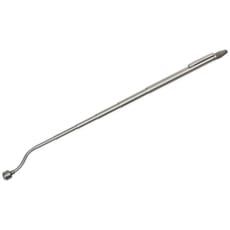
Flexibility Requirements: Fixed rigid shafts provide greater pushing force and control for vertical lifts, whilst flexible or fully bendable models navigate around obstacles and hold awkward angles. Many professionals keep both types for different scenarios. Semi-flexible models with gooseneck designs offer a practical compromise.
Additional Features: LED illumination proves invaluable when working in poorly-lit engine compartments or behind machinery. Some kits include inspection mirrors to locate items before retrieval. Pocket clips enable convenient carry for mobile tradespeople, whilst soft-grip handles reduce hand fatigue during extended use.
Brand and Build Quality: Established brands like Sealey, Draper, and Faithfull offer proven reliability with secure magnet bonding and durable shaft mechanisms. Check for corrosion-resistant finishes if working in damp environments or with coolants and oils.
Specialist Applications: For workshop floor cleaning, magnetic rollers and sweepers provide efficient swarf collection over large areas. Magnetic parts trays prevent drops occurring in the first place. Combination tools with both magnetic and mechanical claw grippers offer versatility for retrieving non-ferrous items.
Popular Accessories
- Magnetic Parts Trays and Bowls: Prevent small fasteners and components from rolling away or being dropped during disassembly work
- Inspection Mirrors: Telescopic and flexible mirrors to visually locate dropped items before retrieval attempts
- LED Work Lights and Torches: Illuminate dark cavities and recesses when searching for lost components
- Mechanical Claw Pick Up Tools: Complement magnetic tools for retrieving non-ferrous items like plastic clips and aluminium components
- Magnetic Workshop Sweepers: Larger wheeled units for efficiently collecting metallic debris from workshop floors and driveways
- Tool Lanyards and Tethers: Prevent tools being dropped in the first place when working at height or over machinery
- Parts Organisers and Storage: Systematic storage solutions to keep small components organised and reduce loss incidents
- Magnetic Tool Holders: Wall-mounted and mobile magnetic strips for convenient tool access and storage
Frequently Asked Questions
Will magnetic pick up tools work with stainless steel fasteners?
Most stainless steel fasteners are austenitic (300-series) and weakly magnetic or non-magnetic, meaning standard magnetic pick up tools may not provide sufficient attraction. Some stainless steels, particularly martensitic grades (400-series), are magnetic and will work with these tools. For non-magnetic materials, consider mechanical claw-style retrievers instead.
How do I maintain the magnetic strength of my pick up tool?
Modern neodymium magnets retain their strength indefinitely under normal use. Keep the magnetic tip clean and free from accumulated metal particles and swarf which reduce effective contact area. Avoid exposing magnets to extreme heat (above 80°C) which can cause permanent demagnetisation. Store away from sensitive electronics and magnetic media.
What's the difference between telescopic and flexible magnetic pick up tools?
Telescopic tools feature rigid extending shafts that provide excellent reach and pushing force for vertical lifts but only work in straight-line access. Flexible models have bendable shafts that navigate around obstacles and maintain shaped positions for awkward angles, though they offer less lifting force and can be harder to control at full extension. Many professionals find value in owning both types.
Can magnetic pick up tools damage electronic components or vehicle systems?
Strong magnets can potentially affect sensitive electronics, erase magnetic media, and interfere with sensors if brought into close proximity. Exercise caution around ABS sensors, airbag systems, electronic control units, and any magnetic storage devices. The magnetic field strength drops rapidly with distance, so problems typically only occur with direct contact or very close approach.
What lifting capacity do I need for automotive work?
For general automotive maintenance involving bolts, sockets, and small tools, a lifting capacity of 2-5kg proves adequate for most situations. Compact models with 1-2kg capacity handle screws, washers, and small fasteners, whilst heavier 8-10kg capacity tools can retrieve larger sockets and substantial metallic items. Consider that the effective lifting force decreases with extended reach and at angles.