

Magnets

Pay in 3 interest-free payments on purchases from £20-£3000 with  . Learn more.

 Loading...
End of content
Error - No more pages to load
About Magnets
Professional magnets are indispensable tools for tradespeople, engineers, and workshop environments where secure holding, positioning, and retrieval of ferrous materials is essential. From button magnets and horseshoe magnets to deep pot magnets and shallow mounting varieties, the category encompasses a diverse range of magnetic solutions designed for demanding applications. Whether used as work-holding devices during welding, for positioning components during assembly, or for retrieving dropped tools and fixings from hard-to-reach places, quality magnets deliver reliable magnetic force that can withstand the rigours of daily professional use.
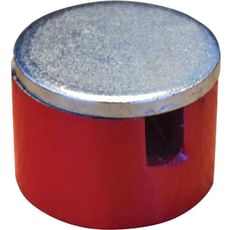
The magnets available at Tooled-Up.com include specialist designs manufactured from materials such as Alnico (aluminium-nickel-cobalt alloy), which offers exceptional corrosion resistance and the ability to operate at elevated temperatures up to 500°C—making them ideal for welding jigs and fabrication work. Button magnets feature north and south poles on the same face, separated by a slot, whilst pot magnets concentrate magnetic force for maximum holding power in a compact design. Many professional magnets include mounting holes for permanent installation, though care must be taken not to recess them into ferrous metals as this can short-circuit the magnetic field.
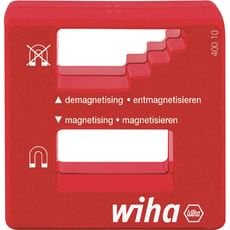
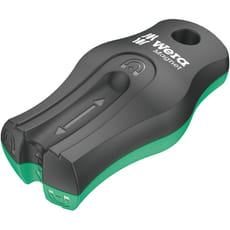
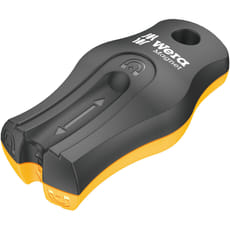
Beyond holding and positioning applications, the category also includes magnetiser and demagnetiser tools from reputable brands such as Wera and Wiha. These clever devices allow tradespeople to magnetise screwdriver tips, bits, and other steel tools for easier screw handling, or to demagnetise tools that have become unintentionally magnetised—a common problem that can attract swarf and metal particles where they're not wanted.
Jargon Buster
- Alnico: An alloy of aluminium, nickel, and cobalt that produces strong, temperature-resistant permanent magnets with excellent corrosion resistance, suitable for high-temperature applications up to 500°C.
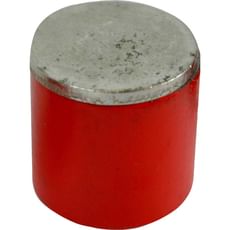
- Pot Magnet: A permanent magnet encased in a steel shell (or pot) that concentrates the magnetic force to one face, dramatically increasing holding power compared to an unencased magnet of similar size.
- Pull Force: The maximum force required to separate a magnet from a flat steel surface, typically measured in kilograms. This indicates the magnet's holding strength under ideal conditions.
- Gauss/Tesla: Units of measurement for magnetic field strength. One Tesla equals 10,000 Gauss. Professional magnets typically range from several hundred to several thousand Gauss depending on application.
- Magnetiser/Demagnetiser: A tool used to either induce magnetism into ferrous metal tools (such as screwdriver bits) or remove unwanted magnetisation that attracts metal swarf and particles.
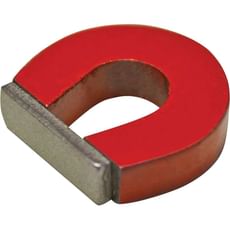
- Horseshoe Magnet: A U-shaped permanent magnet where both poles are positioned close together, creating a strong magnetic field between the ends—ideal for lifting and holding applications.
Who Uses Magnets?
Professional magnets serve a wide variety of trades and industries:
- Welders and Fabricators: Use magnets as positioning aids and work-holding devices for tack welding and maintaining accurate angles during assembly
- Electricians: Employ magnetised screwdriver tips for handling small screws in awkward positions and confined spaces
- Automotive Technicians: Rely on magnets for retrieving dropped fixings, holding components during assembly, and keeping tools organised
- Machinists and Engineers: Use magnets for positioning workpieces, retrieving swarf, and demagnetising precision tools
- Maintenance Engineers: Depend on magnets for accessing dropped fixings in machinery and holding components during repair work
- Carpenters and Joiners: Utilise magnetised tool tips for easier screw driving and fixture positioning
- Sign Makers: Use button magnets and pot magnets for temporary mounting and positioning during fabrication
- DIY Enthusiasts: Find magnets invaluable for workshop organisation, tool magnetisation, and general holding applications
How to Choose the Right Magnets
Selecting the appropriate magnet for your application requires consideration of several key factors:
Application Type: Determine whether you need a magnet for temporary work-holding, permanent mounting, tool magnetisation, or retrieval purposes. Pot magnets excel at strong holding in compact spaces, whilst button magnets offer versatile mounting options with their through-holes.
Pull Force Required: Consider the weight and position of items you need to hold. Deep pot magnets generally provide greater pull force than shallow versions of the same diameter due to increased magnetic material. Check the manufacturer's specifications for pull force ratings measured in kilograms.
Temperature Resistance: If working with welding applications or high-temperature environments, Alnico magnets from brands such as Faithfull can withstand temperatures up to 500°C without losing magnetic properties, whereas some cheaper magnets may demagnetise at lower temperatures.
Mounting Requirements: Many professional magnets feature mounting holes for semi-permanent installation. Ensure these suit your intended application, and remember that magnets must not be recessed into ferrous metals as this shorts out the magnetic circuit.
Corrosion Resistance: For outdoor use or damp environments, choose magnets manufactured from corrosion-resistant materials or with protective coatings to ensure longevity.
Brand Quality: Tooled-Up stocks trusted brands including Faithfull, Wera, and Wiha—manufacturers known for consistent magnetic performance and durability in professional environments.
Popular Accessories
Complement your magnetic tools with these related products:
- Screwdriver Sets: Quality drivers from Wera and Wiha that benefit from magnetisation for improved screw handling
- Welding Clamps and Jigs: Work alongside magnets to provide comprehensive workpiece positioning
- Metal Toolboxes and Storage: Magnetic strips and holders can be added to organise small tools and fixings
- Pickup Tools: Telescopic magnetic pickup tools for retrieving dropped ferrous items from confined spaces
- Socket Sets and Bit Sets: These benefit from magnetiser tools for improved fastener retention
- Workshop Benches: Provide stable surfaces for mounting permanent magnets for work-holding applications
Safety Information
Whilst magnets are generally safe tools, observe these important precautions:
Strong Magnetic Fields: Powerful magnets can pinch skin or cause injury if allowed to snap together suddenly. Always handle large magnets with care and keep fingers clear when bringing magnets near ferrous surfaces.
Pacemakers and Medical Devices: Strong magnets may interfere with pacemakers, implantable cardioverter-defibrillators (ICDs), and other medical devices. Anyone with such devices should maintain appropriate distance from powerful magnets and consult medical professionals if concerned.
Electronic Equipment: Keep strong magnets away from electronic devices, magnetic storage media, credit cards, and precision instruments that may be affected by magnetic fields.
Temperature Hazards: When using magnets in welding or high-temperature applications, remember that the magnet itself can become extremely hot. Allow adequate cooling time before handling or use appropriate heat-resistant gloves.
Load Capacity: Never exceed the manufacturer's rated pull force, and remember that pull force diminishes with distance, surface finish, and material thickness. Always build in a safety margin when using magnets to support loads overhead or in critical positioning applications.
Frequently Asked Questions
Can I use magnets for welding applications?
Yes, professional Alnico magnets are specifically designed for welding applications and can withstand temperatures up to 500°C. They're ideal for positioning workpieces and maintaining angles during tack welding. However, ensure you select magnets rated for high-temperature use rather than standard varieties.
How do I magnetise or demagnetise my screwdriver bits?
Use a purpose-designed magnetiser/demagnetiser tool such as those available from Wera or Wiha. Simply pass the screwdriver or bit through the appropriate slot in the tool—one side magnetises whilst the other demagnetises. This takes seconds and significantly improves screw handling in awkward positions.
Why shouldn't I recess magnets into ferrous metals?
Recessing a magnet into a ferrous metal (such as a steel bench or fixture) creates a short circuit in the magnetic field, directing the magnetic force into the mounting surface rather than outward where it's needed. This dramatically reduces or eliminates the magnet's holding power. Always mount magnets with spacers or on non-ferrous surfaces.
What's the difference between deep and shallow pot magnets?
Deep pot magnets contain more magnetic material and generally provide greater pull force than shallow versions of the same diameter. Shallow pot magnets offer a lower profile when space is limited but may have reduced holding strength. Choose based on your specific space constraints and required holding force.
Will magnets lose their strength over time?
Quality permanent magnets made from Alnico or neodymium materials retain their magnetic properties indefinitely under normal conditions. However, excessive heat (beyond their rated temperature), physical shock, or exposure to strong opposing magnetic fields can reduce magnetic strength. Professional-grade magnets from established brands are engineered for long-term durability in demanding environments.