

Maintenance Sprays & Compounds

Pay in 3 interest-free payments on purchases from £20-£3000 with  . Learn more.
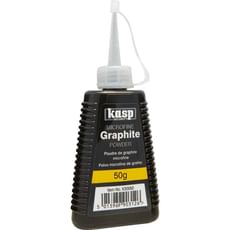
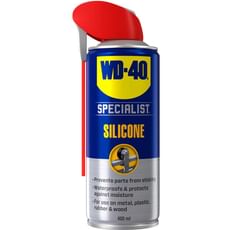
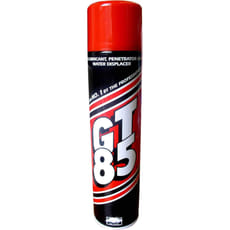
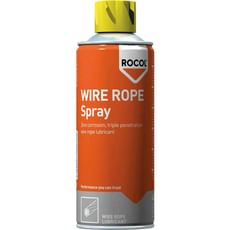
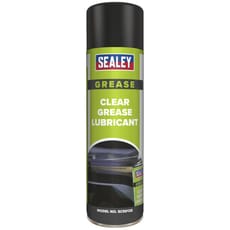
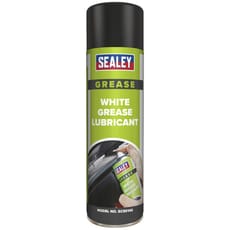
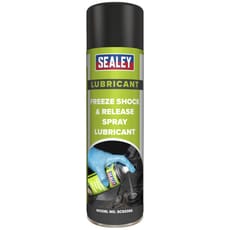
 Loading...
End of content
Error - No more pages to load
About Maintenance Sprays & Compounds
Maintenance sprays and compounds are essential chemical products designed to protect, preserve, and maintain tools, machinery, and equipment across industrial, automotive, and construction environments. These specialised formulations solve common workshop challenges including corrosion, friction, contamination, and component wear. From penetrating oils that free seized bolts to food-grade lubricants for catering equipment, maintenance sprays and compounds form the backbone of preventative maintenance programmes in professional settings.
The range at Tooled-Up.com encompasses corrosion protection products that shield metal surfaces from moisture and oxidation, food industry lubricants that meet stringent hygiene standards for use in food processing environments, and graphite powders that provide dry lubrication in high-temperature applications. These products are formulated to meet specific technical requirements, with many complying with British and European safety standards including COSHH regulations. Whether protecting expensive power tools from rust during storage or maintaining production line machinery, the right maintenance spray or compound can significantly extend equipment lifespan and reduce costly downtime.
Professional tradespeople and maintenance engineers rely on these products daily to keep equipment operating reliably. Modern maintenance sprays often incorporate advanced additives that provide multiple functions in a single application—combining lubrication with water displacement, or offering both corrosion protection and cleaning properties. Understanding the different product types and their specific applications ensures you select the most effective solution for your maintenance requirements.
Jargon Buster
- Penetrating Oil: A low-viscosity lubricant designed to seep into tight spaces between threaded fasteners and corroded components, breaking down rust and freeing seized parts through capillary action.
- PTFE (Polytetrafluoroethylene): A synthetic fluoropolymer commonly known as Teflon, added to lubricants to reduce friction and provide long-lasting protection. PTFE-based sprays leave a slippery coating that resists moisture and prevents components from seizing.
- NSF Registration: Certification from the National Sanitation Foundation (NSF International) indicating a product is safe for use in food processing environments, with different categories (H1, H2, 3H) denoting specific applications and incidental food contact levels.
- Dry Lubricant: A friction-reducing substance such as graphite powder or molybdenum disulphide that provides lubrication without liquid oils, preventing dust and dirt accumulation—ideal for locks, hinges, and precision mechanisms.
- Water Displacement: The ability of a spray to drive moisture away from metal surfaces and electrical components, preventing corrosion and restoring functionality to damp equipment.
- COSHH Compliance: Adherence to the Control of Substances Hazardous to Health Regulations 2002, UK legislation requiring proper handling, storage, and use of chemical products in the workplace to protect employee health.
Who Uses Maintenance Sprays & Compounds?
- Maintenance Engineers: Conducting preventative maintenance and repairs across manufacturing facilities, using specialised lubricants and anti-corrosion treatments on production machinery
- Automotive Technicians: Servicing vehicles and freeing seized components, requiring penetrating oils and general-purpose maintenance sprays
- Electricians: Protecting electrical connections and switch gear from corrosion, particularly in damp or marine environments
- Plumbers and Heating Engineers: Maintaining valves, pumps, and boiler components whilst preventing corrosion in wet environments
- Agricultural Workers: Protecting farm machinery exposed to harsh outdoor conditions and maintaining equipment during seasonal storage
- Food Processing Facilities: Using NSF-registered food-grade lubricants on production line equipment, packaging machinery, and conveyor systems
- Manufacturing Operatives: Applying dry lubricants and anti-seize compounds during assembly processes
- Facilities Managers: Maintaining building services, door mechanisms, HVAC systems, and general building maintenance
- Marine Engineers: Combating severe corrosion in saltwater environments with specialised marine-grade protection compounds
How to Choose the Right Maintenance Sprays & Compounds
Application Environment: Consider where the product will be used. Food processing areas require NSF-registered food-grade lubricants, whilst outdoor or marine applications demand products with superior water resistance and anti-corrosion properties. High-temperature environments need graphite-based dry lubricants that won't break down or carbonise.
Substrate Compatibility: Ensure the spray or compound is suitable for the materials you're treating. Some formulations may damage plastics, rubber seals, or painted surfaces. Check manufacturer specifications for compatibility with metals, polymers, and composite materials in your equipment.
Performance Requirements: Match the product to your specific need—penetrating oils for freeing seized fasteners, PTFE sprays for long-lasting lubrication, or silicone-based products for protecting rubber and plastic components. Consider whether you need water displacement, cleaning action, or purely protective properties.
Regulatory Compliance: Verify that products meet relevant UK and European standards, including COSHH regulations for workplace chemical safety. Food industry users must ensure NSF registration, whilst some applications may require specific EN or BS standard compliance. Always request safety data sheets (SDS) for workplace chemical assessments.
Delivery Method: Aerosol sprays offer convenience and precision application with extension tubes for hard-to-reach areas. Brush-on compounds provide controlled application for larger surfaces. Pump sprayers suit bulk applications whilst minimising propellant waste. Consider whether you need portable aerosols for site work or bulk containers for workshop use.
Drying Time and Residue: Dry lubricants like graphite powder leave no oily residue, preventing dust accumulation—ideal for locks and precision mechanisms. Wet lubricants provide immediate protection but may attract contamination. Consider your cleaning requirements and whether equipment operates in dusty environments.
Popular Accessories
- Extension Tubes and Precision Applicators: Attachments for aerosol cans enabling accurate spray delivery into confined spaces and intricate mechanisms
- Protective Gloves: Chemical-resistant gloves providing hand protection when applying maintenance compounds, meeting EN374 standards
- Cleaning Rags and Wipes: Lint-free cloths for surface preparation and excess product removal
- Wire Brushes: For removing loose rust and corrosion before applying protective compounds
- Spray Booth Equipment: Ventilation and containment systems for safe application in enclosed workshops
- Storage Cabinets: COSHH-compliant chemical storage solutions for maintaining workplace safety
- Application Brushes: Various sizes for controlled application of paste compounds and heavy-duty lubricants
- Safety Goggles and Face Shields: PPE protecting eyes and face from chemical splashes during application
Safety Information
Maintenance sprays and compounds contain chemical formulations that require proper handling and storage. Always work in well-ventilated areas when applying aerosol products, as propellants and solvents can accumulate in confined spaces. Wear appropriate PPE including chemical-resistant gloves and safety goggles to prevent skin contact and eye irritation. Many products are flammable—keep away from ignition sources, hot surfaces, and sparks, and never spray near open flames or equipment that could generate sparks.
Read product labels and safety data sheets before use, paying particular attention to COSHH requirements for workplace applications. Store products in cool, dry locations away from direct sunlight and heat sources, ensuring aerosol cans are not exposed to temperatures exceeding 50°C. Dispose of empty containers responsibly according to local authority guidelines—aerosol cans may require specific disposal procedures even when empty.
When using food-grade lubricants, verify NSF registration details and follow application guidelines to prevent contamination. Some maintenance sprays may damage plastics, painted surfaces, or rubber components—always test on an inconspicuous area first. If skin contact occurs, wash thoroughly with soap and water. Seek medical attention if irritation persists or if product is ingested or enters eyes.
Frequently Asked Questions
What's the difference between penetrating oil and general-purpose lubricant?
Penetrating oils have low viscosity and special additives designed to creep into microscopic gaps between corroded threads and seized components, breaking down rust chemically. General-purpose lubricants are thicker, providing ongoing lubrication and protection but lacking the penetrating properties needed to free seized parts. Use penetrating oil first to free stuck components, then apply a lubricant for ongoing protection.
Can I use standard maintenance sprays on food processing equipment?
No—equipment used in food processing, preparation, or packaging areas requires NSF-registered food-grade lubricants specifically formulated to be safe for incidental food contact. Standard maintenance sprays contain additives and solvents that could contaminate food products and violate food safety regulations. Always verify NSF registration and category (H1, H2, or 3H) before use in food environments.
Why would I choose graphite powder over oil-based lubricants?
Graphite powder is a dry lubricant that doesn't attract dust, dirt, or debris—making it ideal for locks, hinges, sliding mechanisms, and precision equipment in dusty workshops. It withstands extreme temperatures where oils would break down or evaporate, and won't gum up over time. Dry lubricants are preferred for applications where oil contamination could cause problems or where equipment operates in dirty environments.
How do I apply corrosion protection for long-term tool storage?
Clean tools thoroughly to remove existing rust, dirt, and moisture. Apply a thin, even coat of corrosion protection spray, ensuring complete coverage of all metal surfaces. For power tools, avoid spraying into motors or electrical components unless the product is specifically designed for electrical use. Store tools in a dry environment, preferably in sealed cases or toolboxes. Reapply protection every 6-12 months for tools in long-term storage.
Are maintenance sprays safe to use on electrical equipment?
Many maintenance sprays are safe for electrical components and can actually protect connections from corrosion, but always check the product label. Water-displacing formulas are specifically designed for use on electronics, drying out damp electrical systems and preventing short circuits. However, never spray products into live electrical equipment—always isolate 240v power supplies before application. Some products leave conductive residues unsuitable for electrical use, so verification is essential.