

Marking Tools
Pay in 3 interest-free payments on purchases from £30-2000 with  . Learn more.
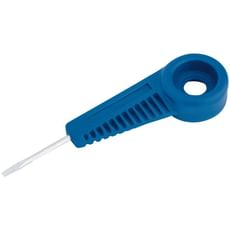
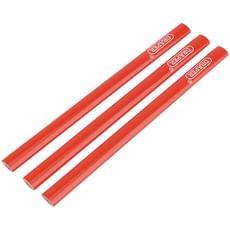
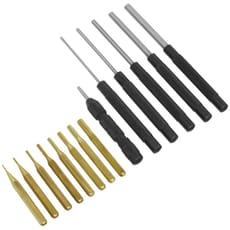
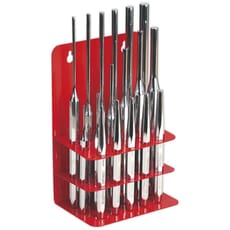
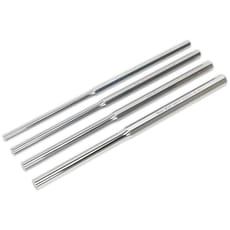


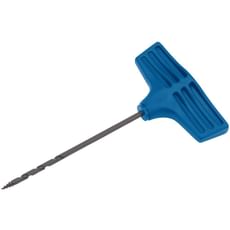
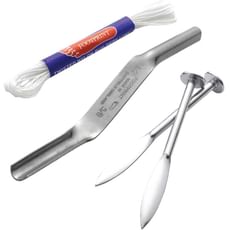
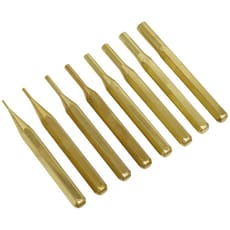
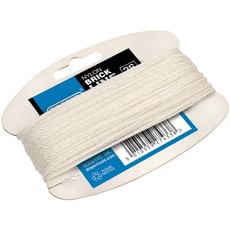
 Loading...
End of content
Error - No more pages to load
About Marking Tools
Marking tools are essential instruments used across all trades and DIY projects to transfer measurements, create reference points, and ensure accurate cuts, holes, and installations. From traditional carpenters pencils and chalk lines to precision marking gauges and metal scribers, these tools form the foundation of quality workmanship. Accurate marking is the critical first step in any construction, joinery, metalwork, or fabrication project – getting it right at this stage prevents costly mistakes and material waste down the line.
The marking tools category at Tooled-Up.com encompasses a comprehensive range of equipment designed for different materials and applications. Whether working with timber, metal, masonry, or composite materials, there's a specialised marking tool engineered for the task. Carpenters pencils and crayons suit rough marking on construction sites, while precision instruments like marking gauges and scribers deliver the accuracy demanded by fine joinery and metalwork. Chalk lines and string lines enable long-distance marking for foundations and framing, whilst punches create permanent reference points on hard materials.
Modern marking tools combine traditional functionality with innovative materials and designs. Heavy-duty markers withstand site conditions and mark on wet or oily surfaces, mechanical pencils eliminate the need for constant sharpening, and digital marking tools integrate with measuring equipment for enhanced precision. Tooled-Up stocks marking solutions from trusted brands including Stanley, Bahco, Irwin, and other manufacturers recognised for producing durable, reliable tools that professionals depend on daily.
Jargon Buster
- Mortise Gauge: A marking gauge with two adjustable pins used to mark parallel lines for mortise and tenon joints in woodworking. The pins can be set to the exact width of a chisel for perfect joint fitting.
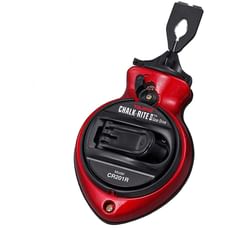
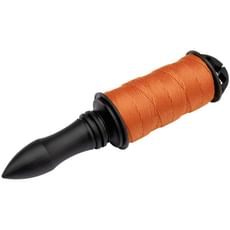
- Chalk Line (Chalk Box): A retractable string coated in chalk dust housed in a case, used to mark long, straight lines across distances. The string is stretched tight and snapped against the surface to leave a chalk mark.
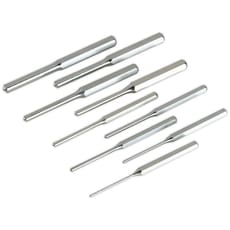
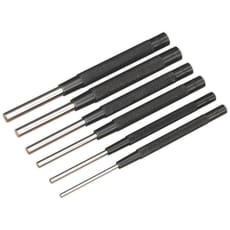
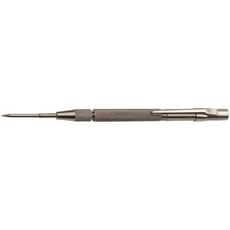
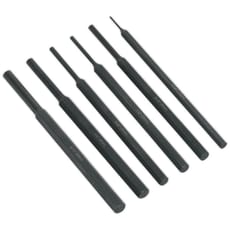
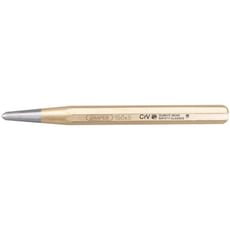
- Centre Punch: A pointed tool struck with a hammer to create a small indentation in metal or hard materials, providing a starting point for drill bits and preventing them from wandering.
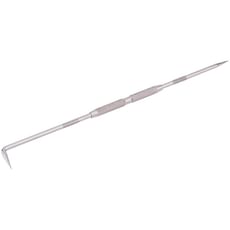
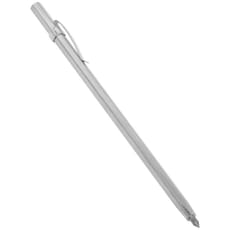
- Scriber: A hardened steel tool with a sharp point used to scratch precise lines into metal, plastic, or other hard surfaces where pencil marks would be inadequate.
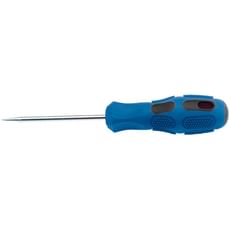
- Bradawl: A woodworking tool with a sharp, tapered point used to make pilot holes in timber and mark precise points. The blade is typically shaped to score wood fibres rather than remove them.
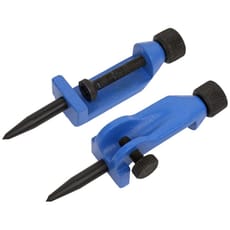
- Trammel Points: Adjustable marking points that attach to a beam or bar, allowing you to scribe large radius circles and arcs that exceed the capacity of standard compasses.
Who Uses Marking Tools?
Marking tools are fundamental across virtually every trade and craft:
- Carpenters and Joiners: Use marking gauges, pencils, and scribers for dimensioning timber and marking joint positions
- Bricklayers and Stonemasons: Rely on chalk lines, crayons, and string lines for coursing and alignment
- Metalworkers and Fabricators: Require scribers, punches, and permanent markers for accurate steel and aluminium work
- Electricians: Use markers and pencils to indicate cable routes, junction box positions, and accessory mounting points
- Plumbers: Mark pipe cutting positions, bracket locations, and pipe runs with specialised markers
- Roofers: Employ chalk lines and crayons for battening lines and tile positioning
- Shopfitters and Cabinet Makers: Depend on precision marking gauges and fine pencils for detailed joinery
- DIY Enthusiasts: Need reliable marking tools for home improvement, furniture making, and general repairs
- Flooring Specialists: Use chalk lines and markers for tile layout and flooring installation
How to Choose the Right Marking Tools
Material Compatibility: Select tools suited to your work surface. Carpenters pencils and marking gauges excel on timber, whilst scribers and punches are essential for metal. Crayons and specialist markers work on rough masonry, and fine mechanical pencils suit detailed drawing work.
Visibility and Permanence: Consider whether marks need to be temporary or permanent. Pencil marks can be erased or planed away, whilst scribed lines and punch marks are permanent. High-visibility markers and crayons improve accuracy on dark materials or in poor lighting conditions.
Precision Requirements: Fine joinery and metalwork demand precision marking gauges and sharp scribers that deliver accuracy to within fractions of a millimetre. General construction work suits more robust tools like builder's pencils and chalk lines where tolerances are greater.
Working Environment: Site conditions influence tool selection. Waterproof markers and wax crayons perform in wet conditions, whilst standard pencils may fail. Durable metal-bodied tools withstand the knocks of busy sites better than plastic alternatives.
Durability and Quality: Professional tradespeople benefit from investing in quality marking tools from established manufacturers. Better quality pencils maintain their points longer, marking gauges hold settings accurately, and metal scribers retain sharp points through extended use.
Ergonomics: Tools used frequently throughout the day should feel comfortable in hand. Ergonomic pencils reduce fatigue during extended marking sessions, and well-balanced marking gauges provide better control.
Popular Accessories
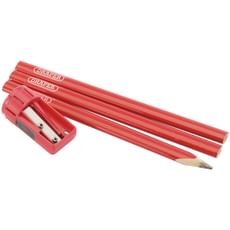
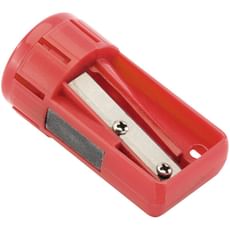
- Pencil Sharpeners: Heavy-duty sharpeners designed specifically for carpenters pencils maintain the flat profile required for fine line work
- Chalk Line Refills: Replacement chalk powder in various colours for different visibility requirements
- Replacement Punch Tips: Spare points for automatic centre punches and spring-loaded marking tools
- Marking Knife Blades: Replacement blades for precision marking knives used in fine joinery
- Stencil Sets: Letter and number stencils for creating professional marking on materials and equipment
- Spirit Levels with Vials: Often used alongside marking tools to ensure level and plumb reference lines
- Measuring Tapes and Rules: Essential companions to marking tools for transferring accurate dimensions
- Marker Pen Refills: Replacement tips and ink cartridges for permanent and specialist markers
Frequently Asked Questions
What's the difference between a marking gauge and a cutting gauge?
A marking gauge has a pin or point that scratches a line parallel to an edge, whilst a cutting gauge features a small blade that slices through wood fibres. Cutting gauges produce cleaner lines across the grain and are preferred for visible work, whereas marking gauges suit general dimensioning and joint marking where the line will be cut away.
Why do carpenters pencils have a flat shape?
The flat profile prevents carpenters pencils from rolling off sloped surfaces like roof pitches and angled workbenches. The wide lead can be sharpened to different profiles – a chisel point for fine lines or a flat edge for broader marking – making them more versatile than round pencils for site work.
Can I use permanent markers on all materials?
Permanent markers work excellently on porous materials like timber and plasterboard, but may not adhere well to oily metals, dusty surfaces, or very smooth plastics. For metalwork, clean the surface first or use a specialised metal marker. For wet conditions, look for waterproof markers specifically designed for site use.
How do I maintain chalk lines for consistent performance?
Keep chalk lines dry and store them in their case when not in use. Refill with fresh chalk regularly as old chalk absorbs moisture and clumps. Occasionally remove the string, clean out old chalk residue from the case, and check the string for fraying. Replace damaged strings immediately as breakage mid-snap can cause injury.
What's the best marking tool for metal fabrication?
For precision metalwork, a combination of engineer's scribers for accurate lines and centre punches for drill starting points provides the best results. Scribers with carbide tips maintain sharpness longer on hard materials. Use layout fluid (engineer's blue) on the metal surface first to make scribed lines highly visible. For less critical work, soapstone markers or permanent markers suffice.