

Mask Replacement Filters

Pay in 3 interest-free payments on purchases from £20-£3000 with  . Learn more.





 Loading...
End of content
Error - No more pages to load
About Mask Replacement Filters
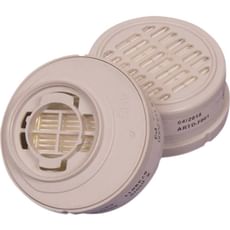
Mask replacement filters are essential safety components designed to maintain the protective performance of reusable half-face and full-face respirators. These filters capture harmful airborne contaminants including dust, fumes, gases, vapours, and particulates that workers encounter across various trades and industrial environments. Regular filter replacement is critical for maintaining effective respiratory protection, as saturated or expired filters can compromise breathing resistance and fail to provide adequate protection against hazardous substances.
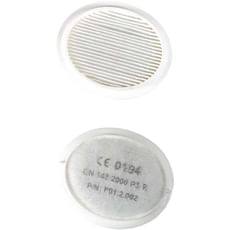
The selection at Tooled-Up.com features replacement filters from leading manufacturers including DeWalt, Moldex, Sealey, Scan, Trend, Vitrex, and Portwest. These filters are engineered to meet rigorous UK and European safety standards including EN14387 and EN12941, ensuring compliance with HSE regulations and COSHH requirements. Filter types range from simple particulate filters (P1, P2, P3) to combination filters that protect against both particulates and specific gases or vapours (such as A1, A2, ABEK1), as well as specialised HEPA filters for powered air purifying respirators (PAPR systems).
Understanding filter classifications and compatibility with your existing respirator is essential for workplace safety. Filters are rated according to their efficiency and the types of contaminants they protect against, with higher-grade filters offering greater protection but potentially increased breathing resistance. Most manufacturers design their filters to fit specific respirator models, though some systems offer cross-compatibility within product ranges. Proper filter selection depends on the specific hazards present in your working environment, exposure duration, and the physical demands of the task being performed.
Jargon Buster
- P1, P2, P3 Ratings: Particulate filter efficiency classifications where P1 filters at least 80% of particles, P2 filters at least 94%, and P3 filters at least 99.95% of airborne particles. P3 is the highest protection level for particulate hazards.
- A1, A2, ABEK Classifications: Gas and vapour filter designations where letters indicate contaminant types (A=organic vapours, B=inorganic gases, E=acidic gases, K=ammonia) and numbers indicate capacity levels, with higher numbers offering longer service life.
- Combination Filters: Dual-function filters that provide protection against both particulates and gases/vapours simultaneously, such as A2P3 filters that protect against organic vapours and particulates.
- R D or NR Classification: Reusable (R D) filters can be used over multiple work shifts if not damaged or saturated, while Non-Reusable (NR) filters are intended for single-shift use only.
- PAPR (Powered Air Purifying Respirator): Battery-powered systems that draw air through filters and deliver it to the mask, reducing breathing resistance and providing higher protection factors than passive respirators.
- Filter Saturation: The point at which a filter has captured its maximum capacity of contaminants and must be replaced. Signs include increased breathing resistance, breakthrough of odours, or reaching the manufacturer's specified time limit.
Who Uses Mask Replacement Filters?
- Painters and Decorators: Protection from solvent vapours, isocyanates in two-pack paints, and overspray particulates
- Joiners and Carpenters: Defence against wood dust, particularly hazardous hardwood dusts and MDF particulates
- Welders and Metal Fabricators: Protection from welding fumes, metal particulates, and associated gases
- Construction Workers: Respiratory protection when working with cement dust, silica, and general construction particulates
- Agricultural Workers: Defence against pesticides, fertilisers, grain dust, and agricultural chemicals
- Automotive Refinishers: Protection from paint vapours, body filler dust, and solvent exposures
- Manufacturing Operatives: Protection against industrial dusts, chemical vapours, and process-specific airborne hazards
- Maintenance Engineers: Respiratory protection during cleaning operations using solvents and when working in contaminated environments
- Laboratory Technicians: Protection when handling chemicals, powders, and potentially hazardous substances
- Asbestos Removal Specialists: High-efficiency P3 filters for protection during licensed asbestos work
How to Choose the Right Mask Replacement Filters
Compatibility: Always verify that replacement filters are specifically designed for your respirator model. Filters from Tooled-Up are matched to compatible mask systems from brands like DeWalt, Moldex, and Sealey. Using incompatible filters compromises the face seal and protective performance.
Hazard Assessment: Identify the specific contaminants in your workplace through COSHH risk assessment. Particulate-only hazards require P-rated filters, whilst environments with gases or vapours need gas filters (A, B, E, K) or combination filters. For mixed exposures, combination filters provide comprehensive protection.
Protection Level: Select the appropriate filter grade based on contaminant concentration and toxicity. P3 filters offer the highest particulate protection for hazardous dusts including silica and hardwood. For gases and vapours, choose between Class 1, 2, or 3 based on concentration levels and exposure duration.
Work Duration and Breathing Resistance: Higher-grade filters provide superior protection but may increase breathing resistance during physically demanding work. For extended shifts or strenuous tasks, consider PAPR systems with powered airflow, or ensure adequate rest breaks when using passive filters.
Replacement Schedule: Follow manufacturer guidance on filter lifespan, typically based on hours of use, contaminant breakthrough, increased breathing resistance, or maximum service life (often marked on the filter). Many filters include colour-coded expiry indicators or date wheels for tracking replacement schedules.
Standards Compliance: Ensure filters meet relevant EN standards and carry CE or UKCA marking. Verify that the filter classification matches your workplace risk assessment requirements and HSE guidance for your specific industry sector.
Popular Accessories
- Pre-Filters and Particulate Retainers: Protective covers that extend primary filter life by capturing larger particles before they reach the main filter cartridge
- Face Seals and Gaskets: Replacement seals that maintain the critical face-to-mask seal preventing contaminant ingress
- Visor Protectors and Tear-Off Layers: Protective coverings for integrated visors on full-face respirators, particularly useful in spray painting applications
- Filter Covers and Caps: Storage accessories that protect filters from contamination when not in use and extend shelf life
- Respirator Cleaning Wipes: Specialised cleaning products for maintaining mask hygiene between shifts
- Storage Boxes and Bags: Dedicated containers for storing respirators and unused filters in clean, dry conditions
- Fit Testing Kits: Equipment for verifying proper mask seal and ensuring respiratory protection effectiveness
Safety Information
Respiratory protective equipment is life-critical safety equipment that must be properly selected, maintained, and used according to HSE guidance and COSHH regulations. Never use damaged, expired, or saturated filters, as they cannot provide adequate protection and may present serious health risks. Always check filter packaging for expiry dates and storage conditions before use.
Replace filters immediately if you detect contaminant odours, taste, or irritation, if breathing resistance increases noticeably, or when the manufacturer's specified service life is reached. Some hazardous substances provide no warning properties, making adherence to replacement schedules critical. Maintain written records of filter changes as part of your workplace safety documentation.
Ensure all personnel using respiratory protection receive proper training in correct fitting, seal checking, limitations of protection, and emergency procedures. Facial hair, even stubble, can compromise the face seal and significantly reduce protection factors. Store unused filters in their original sealed packaging in cool, dry conditions away from direct sunlight and contaminants.
Respiratory protection should be considered as a last line of defence after implementing engineering controls and safer working methods. Always conduct thorough workplace risk assessments and consult HSE guidance documents specific to your industry sector. For complex or high-risk environments, seek advice from occupational hygiene specialists before selecting respiratory protection equipment.
Frequently Asked Questions
How often should I replace my mask filters?
Replacement frequency depends on several factors including contaminant type, concentration, work duration, and breathing rate. Particulate filters typically require replacement when breathing resistance increases noticeably or they become visibly contaminated. Gas and vapour filters must be replaced according to manufacturer time limits, when odours break through, or after the specified number of hours use (often 8-40 hours depending on filter class). Always follow manufacturer guidance and your workplace COSHH assessment for specific replacement schedules. Many professionals replace particulate filters weekly and gas filters more frequently depending on exposure levels.
Can I use filters from different manufacturers with my respirator?
No, you should only use filters specifically designed and approved for your respirator model. Different manufacturers use proprietary connection systems, and mixing components from different brands can compromise the seal, reduce protection factors, and invalidate safety certifications. The range at Tooled-Up.com clearly identifies compatible respirator models for each filter type. Always verify compatibility before purchasing replacement filters to ensure continued respiratory protection.
What's the difference between P2 and P3 filters?
P2 filters capture at least 94% of airborne particles and are suitable for moderate-toxicity dusts such as general construction dust and wood dust from softwoods. P3 filters provide higher protection, capturing at least 99.95% of particles, and are required for highly toxic substances including asbestos, silica dust, hardwood dusts, metal fumes, and biological agents. P3 filters also offer longer service life due to their higher capacity. For most trade applications involving hazardous dusts, P3 is the recommended minimum standard under HSE guidance.
How do I know when a gas filter is saturated?
Unlike particulate filters which show visible contamination, gas and vapour filters provide less obvious warning signs. Replace gas filters when you detect any breakthrough of odour, taste, or irritation, when breathing resistance increases, or when the manufacturer's specified time limit is reached (whichever comes first). Some contaminants provide no warning properties, making it essential to track usage hours and adhere strictly to replacement schedules. Many professionals mark filters with start dates or use filter wheels to track service life.
Can I clean and reuse respirator filters?
No, respirator filters cannot be cleaned or regenerated. Once saturated, the filter medium's protective capacity is exhausted and cannot be restored. Attempting to clean filters can damage the filtration material and compromise protection. Filters marked "R D" (reusable) can be used over multiple work shifts if stored properly between uses and not saturated, but "NR" (non-reusable) filters must be discarded after each shift. Even reusable filters have maximum service lives and must be replaced according to manufacturer guidance regardless of apparent condition.