

Masonry Drill Bits
Pay in 3 interest-free payments on purchases from £30-2000 with  . Learn more.
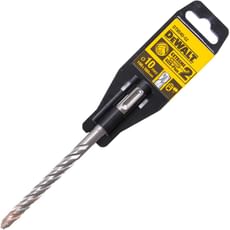
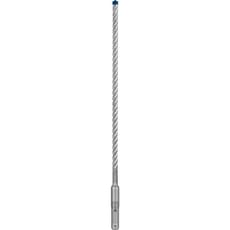
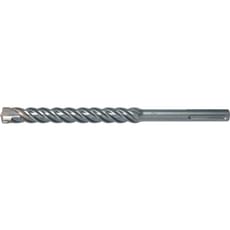

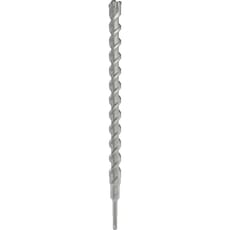


 Loading...
End of content
Error - No more pages to load
About Masonry Drill Bits
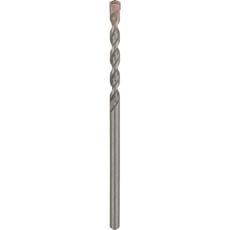
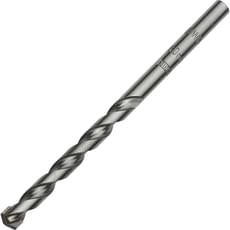
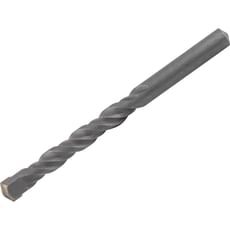
Masonry drill bits are specialist cutting tools designed to bore precise holes through hard, abrasive materials including brick, concrete, stone, breeze block, and mortar. Unlike standard twist bits designed for wood or metal, masonry drill bits feature hardened carbide or tungsten carbide tips that can withstand the extreme friction and impact forces generated when drilling into these challenging materials. The tip geometry is specifically engineered to pulverise masonry rather than cut it, creating clean, accurate holes without excessive dust or material breakage.
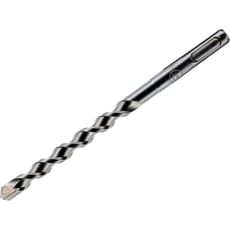
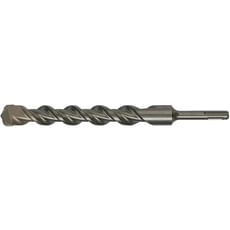
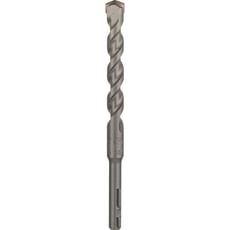
Available in both standard round shank formats for use with conventional 240v corded drills and hammer drills, as well as SDS-Plus and SDS-Max shanks for dedicated rotary hammers, masonry drill bits come in a comprehensive range of diameters from 3mm up to 25mm or larger. Tooled-Up.com stocks an extensive selection from trusted manufacturers including Bosch Professional, DeWalt, Faithfull, and Draper, with options ranging from individual bits for specific applications to comprehensive multi-piece sets that cover the most commonly required sizes for fixings, cable runs, and general construction work.
Professional-grade masonry bits incorporate advanced features such as four-flute designs for improved debris clearance, precision ground carbide tips for extended service life, and optimised spiral geometries that reduce drilling time whilst minimising bit wear. Many modern masonry drill bits also feature specially developed tip geometries like Bosch's Blue Granite or 5X technology that can significantly increase drilling speed and longevity compared to conventional designs, making them essential tools for anyone regularly working with masonry materials.
Jargon Buster
- Carbide Tip
- The hardened tungsten carbide cutting head brazed onto the steel bit body. This extremely hard material provides the cutting action and wear resistance necessary for drilling masonry materials.
- SDS-Plus / SDS-Max
- Special Direct System shank types featuring grooves that lock into compatible rotary hammers, allowing rapid bit changes without chucks and efficient power transfer for heavy-duty drilling applications. SDS-Max is the larger format for professional demolition tools.
- Hammer Action / Percussion
- A drilling mode that combines rotation with rapid forward impacts, essential for efficiently penetrating hard masonry. The percussive action helps fracture the material whilst the rotation clears debris.
- Four-Flute Design
- Bits featuring four spiral channels rather than the standard two, providing superior dust extraction and reduced drilling resistance, particularly beneficial in deeper holes.
- Centre Point / Pilot Tip
- A sharpened central point on the carbide tip that helps locate and stabilise the bit at the start of drilling, preventing wandering across smooth surfaces like tiles or rendered walls.
- Through Drilling
- The process of drilling completely through a masonry wall or structure. Specialised through-drilling bits feature reinforced tips to handle the breakthrough moment when the bit exits the material.
Who Uses Masonry Drill Bits?
- Bricklayers and stonemasons – for creating pilot holes, fixing points, and installation work
- Electricians – drilling cable entry points and fixing positions for back boxes and conduit
- Plumbers and heating engineers – making holes for pipe runs, radiator brackets, and boiler installations
- General builders and construction workers – everyday drilling requirements on building sites
- Carpenters and joiners – fixing timber frames, door casings, and window installations to masonry
- Shopfitters and interior designers – installing fixtures, shelving systems, and decorative features
- Roofers – securing battens, fascias, and mounting points to masonry structures
- HVAC installers – creating penetrations for ventilation systems and air conditioning units
- Satellite and aerial installers – mounting brackets and cable entry points
- DIY enthusiasts and homeowners – hanging shelves, pictures, curtain rails, and general home improvement tasks
How to Choose the Right Masonry Drill Bits
Shank Type Compatibility: First determine whether you need standard round shank bits for conventional hammer drills or SDS-Plus/SDS-Max shanks for rotary hammers. Check your drill's chuck or fitting type before purchasing. Standard shanks work with keyless or keyed chucks on most 240v drills, whilst SDS systems require compatible tool holders.
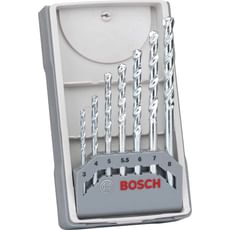
Diameter Requirements: Consider the fixings you'll be using. Common plug and screw combinations require specific drill sizes – typically 5.5mm for brown plugs, 6mm for red plugs, 7mm for brown plugs, and 10mm for blue plugs. The masonry drill bit sets available from Tooled-Up typically include the most frequently used sizes between 3mm and 13mm, providing excellent value for tradespeople and regular users.
Length Considerations: Standard masonry bits range from 80mm to 400mm or longer. For drilling through cavity walls, thick stone, or deep embedment applications, ensure you select bits with sufficient working length. Remember that effective drilling depth is less than total bit length due to chuck engagement requirements.
Material Quality: Professional-grade bits from manufacturers like Bosch Professional and DeWalt feature superior carbide grades and precision manufacturing that deliver significantly longer service life than budget alternatives. For regular professional use, investing in quality bits reduces replacement frequency and delivers more consistent results.
Tip Technology: Advanced tip designs such as Bosch Blue Granite or CYL-5 technology offer enhanced drilling speed and durability. These specialist geometries are particularly beneficial when working with extremely hard materials like engineering brick, granite, or high-strength concrete.
Set or Individual Bits: Multi-piece sets offer cost-effective solutions for general work and ensure you have common sizes readily available. However, for specific applications or high-volume professional use in particular sizes, purchasing individual premium bits may prove more economical long-term.
Popular Accessories
- Hammer drills and rotary hammers – the power tools required to drive masonry drill bits effectively
- Drill bit storage cases and organisers – protecting bits from damage and keeping sizes organised on site
- Wall plugs and fixings – the anchoring systems installed in drilled holes
- Depth stops and gauges – ensuring consistent hole depths for uniform fixing installations
- Dust extraction attachments – minimising airborne dust for healthier working conditions and cleaner results
- Impact-rated screwdriver bits – complementing drilling work with driving operations
- Masking tape – marking drilling positions and protecting surface finishes around work areas
- Safety glasses and dust masks – essential PPE for masonry drilling operations
- Vacuum cleaners – site cleaning and dust management equipment
- Bit sharpeners – extending the service life of worn masonry drill bits
Safety Information
Always wear appropriate eye protection when drilling masonry as the process generates sharp fragments and dust particles that can cause serious eye injuries. Safety glasses or goggles meeting BS EN 166 standards provide essential protection. Dust masks or respirators rated FFP2 or higher should be worn when drilling creates significant dust, particularly when working with materials that may contain crystalline silica.
Ensure your drilling equipment is appropriate for the task and properly maintained. Check that bits are securely fitted in the chuck or SDS holder before operation, and never attempt to use damaged or excessively worn bits which may shatter under load. When drilling walls, always check for hidden cables and pipes using a suitable detector before commencing work to avoid potentially fatal electric shocks or damaging concealed services.
Maintain firm control of your drill during operation, particularly when breakthrough occurs, as the sudden loss of resistance can cause loss of control. Use the side handle provided on larger drills for improved stability. When working at height, ensure proper access equipment is used and never overreach. For extensive drilling operations, take regular breaks to avoid hand-arm vibration syndrome (HAVS), and consult HSE guidance on managing vibration exposure in the workplace.
Frequently Asked Questions
What's the difference between masonry drill bits and SDS drill bits?
The primary difference lies in the shank design rather than the cutting function. Standard masonry drill bits have round or hex shanks that fit conventional drill chucks, whilst SDS (Special Direct System) drill bits feature grooved shanks that lock into compatible rotary hammers without requiring a chuck. SDS systems provide more efficient power transfer and faster bit changes, making them preferable for heavy-duty professional applications, though both types can drill masonry materials effectively.
Can I use masonry drill bits in a regular drill without hammer action?
Whilst technically possible in very soft materials like aerated concrete blocks or old lime mortar, it's not recommended for standard brick or concrete. The hammer or percussion action is essential for efficient drilling as it fractures the hard masonry material whilst the rotation clears debris. Without percussion, drilling becomes extremely slow, generates excessive heat, and dramatically reduces bit life. For occasional masonry work, an affordable 240v hammer drill represents a worthwhile investment.
How do I know when a masonry drill bit needs replacing?
Key indicators include visibly damaged or missing carbide tips, significantly increased drilling time compared to when new, excessive wandering when starting holes, or the bit producing fine powder rather than small chips. If you're applying substantial pressure without progress, or the bit becomes excessively hot during normal use, replacement is advisable. Quality bits from brands like Bosch Professional or DeWalt typically provide clear visual wear indicators.
Why do my masonry drill bits keep breaking?
Common causes include using bits without hammer action on hard materials, applying excessive sideways pressure during drilling, hitting steel reinforcement bars in concrete, using worn or damaged bits, or selecting bits inadequate for the material hardness. Ensure you're using appropriate speeds – masonry drilling typically requires moderate speeds rather than maximum RPM. Allow the tool to work rather than forcing it, and withdraw periodically to clear dust from deeper holes.
What size masonry drill bit do I need for different wall plugs?
Standard UK wall plug sizes require specific drill bits: 5mm plugs need 5mm bits, 6mm (red) plugs require 6mm bits, 7mm (brown) plugs need 7mm bits, and 10mm (blue) plugs require 10mm bits. The hole should match the plug diameter exactly – too large and the plug won't grip properly; too small and you won't be able to insert it fully. Most masonry drill bit sets include these common sizes, making them ideal for general fixing work.