

Masonry Fixings
Pay in 3 interest-free payments on purchases from £30-2000 with  . Learn more.
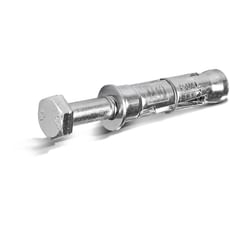
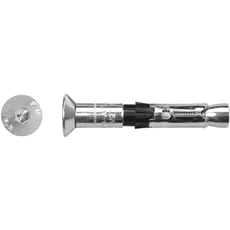
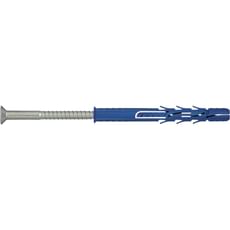
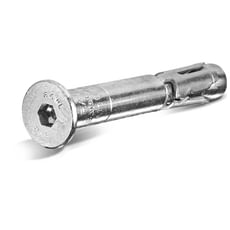
Rawl R-SPL-II Safetyplus 2 Countersunk High Performance Expansion Anchor
available
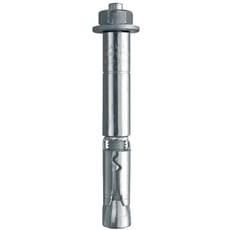
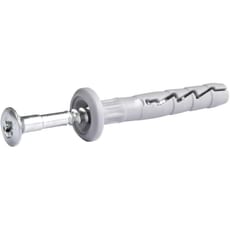
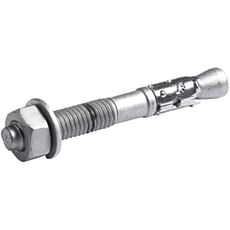
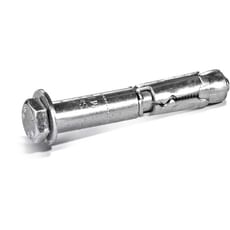
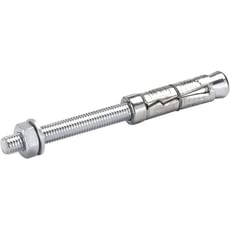
Rawl R-SPL-II Safetyplus Bolt Projecting High Performance Expansion Anchor
available
 Loading...
End of content
Error - No more pages to load
About Masonry Fixings
Masonry fixings are specialised fastening solutions designed to create secure anchor points in solid materials such as brick, concrete, stone, and blockwork. Unlike standard screws that work effectively in timber, masonry fixings use mechanical expansion, chemical bonding, or friction principles to achieve reliable load-bearing connections in dense substrate materials. These essential components form the backbone of countless construction, renovation, and installation projects where equipment, fixtures, or structural elements need to be mounted to masonry surfaces.
The masonry fixings category at Tooled-Up.com encompasses a comprehensive range of fixing solutions, each engineered for specific applications and load requirements. From lightweight picture hanging to heavy-duty structural anchoring, the selection includes frame fixings for window and door installations, hammer-in fixings for quick installation, high-performance anchors for critical load-bearing applications, and various hollow wall solutions for cavity construction. Multi-fix anchors offer versatility across different substrate types, whilst sleeve anchors, through bolts, and wedge anchors provide robust solutions for demanding structural applications.
Selecting the appropriate masonry fixing requires understanding both the substrate material and the loads involved. Factors such as base material density, wall thickness, presence of cavities, pull-out forces, shear loads, and environmental conditions all influence fixing choice. Professional installers and DIY enthusiasts alike benefit from understanding these principles to ensure installations remain secure throughout their service life, meeting both safety requirements and building regulations.
Jargon Buster
- Expansion Anchor
- A fixing that works by expanding within a pre-drilled hole, creating friction against the hole walls. As the bolt or screw is tightened, the anchor mechanism expands to grip the surrounding masonry.
- Pull-Out Load
- The maximum force a fixing can withstand when pulled directly away from the mounting surface before failure occurs. Critical for calculating safe working loads.
- Shear Load
- The force applied parallel to the mounting surface that attempts to slide or cut through the fixing. Common in applications where weight hangs from a fixing rather than pulling directly outward.
- Substrate
- The base material into which the fixing is installed, such as concrete, brick, stone, or blockwork. Substrate density and condition significantly affect fixing performance.
- Through Fixing
- A fixing method where the bolt passes completely through both the item being mounted and the masonry, secured with a nut or anchor on the far side. Provides excellent load distribution.
- Safe Working Load (SWL)
- The maximum load a fixing should carry during normal use, typically calculated with a safety factor applied to the ultimate failure load. Essential for compliance with HSE requirements.
Who Uses Masonry Fixings?
Masonry fixings are essential for a diverse range of trades and applications:
- General Builders – structural connections, beam installations, and renovation work
- Window Fitters – securing frames into brick and concrete openings
- Electricians – mounting consumer units, conduit, and heavy electrical equipment to masonry walls
- Plumbers – fixing boilers, radiators, pipework brackets, and sanitary ware to solid walls
- Heating Engineers – installing boilers, heat pumps, and heating system components
- Shopfitters – mounting shelving systems, displays, and heavy retail fixtures
- Roofers – securing roof timbers, fascias, and roofing equipment to masonry structures
- Signage Installers – fixing commercial signage and exterior cladding systems
- Facilities Managers – maintenance and equipment installation in commercial premises
- DIY Enthusiasts – home improvement projects, shelving, mirrors, and fixture installation
- Kitchen Fitters – securing wall units and heavy appliances to masonry backgrounds
How to Choose the Right Masonry Fixings
Selecting appropriate masonry fixings requires careful consideration of several critical factors:
Substrate Type: Identify whether you're working with dense concrete, engineering brick, standard brick, lightweight blockwork, or natural stone. Each material has different holding characteristics. Hollow wall anchors suit cavity walls, whilst solid wall fixings require different expansion principles. Always verify substrate condition – crumbling or frost-damaged masonry significantly reduces holding power.
Load Requirements: Calculate both the immediate load and potential future additions. Consider whether loads are primarily tension (pull-out), shear (parallel to surface), or combined. High-performance anchors from brands like Fischer and Rawlplug provide certified load data for critical applications. Apply appropriate safety factors, particularly for overhead installations or public spaces where HSE regulations apply.
Installation Environment: External applications require corrosion-resistant fixings – stainless steel or galvanised options withstand weather exposure. Chemical anchors work well in damp conditions where expansion fixings might struggle. Consider vibration resistance for machinery mountings and thermal movement in facade applications.
Installation Method: Assess available tools and installation access. Hammer-in fixings offer speed but require solid substrates. Through bolts need access to both sides of the masonry. Some high-performance anchors require specific drill bit sizes and cleaning procedures for certification compliance. Browse the selection at Tooled-Up.com to find solutions matching your equipment and project requirements.
Fixture Thickness: The item being mounted affects fixing choice. Sleeve anchors accommodate varying material thickness, whilst frame fixings suit specific applications. Consider whether the fixture will be permanent or require future removal.
Popular Accessories
Successful masonry fixing installation requires complementary tools and accessories:
- Masonry Drill Bits – carbide-tipped or SDS bits in sizes matching fixing requirements
- Rotary Hammer Drills – Makita, DeWalt, Milwaukee, and Bosch models for efficient masonry drilling
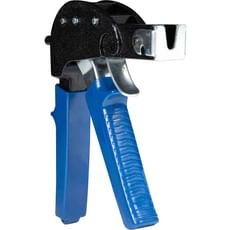
- Setting Tools – dedicated installation tools ensuring correct fixing deployment
- Torque Wrenches – achieving specified tightening torque for certified installations
- Blowing Pumps – clearing drill holes of dust for optimal anchor performance
- Depth Stops – ensuring consistent and accurate hole depths
- Chemical Resin Capsules – companion products for chemical anchor systems
- Thread Cleaning Brushes – preparing holes for high-performance anchor installation
- Safety Glasses and Dust Masks – essential PPE from Portwest and DeWalt for masonry drilling
- Spirit Levels and Laser Levels – accurate positioning before drilling
Safety Information
Working with masonry fixings involves several safety considerations. Always wear appropriate PPE including safety glasses to protect against masonry dust and fragments, particularly when drilling overhead. Respiratory protection is essential when drilling masonry, as silica dust presents serious health risks – use dust extraction where possible and disposable masks as minimum protection in accordance with COSHH regulations.
Before drilling, always check for hidden services using a cable and pipe detector. Striking buried electrical cables or gas pipes can have catastrophic consequences. Maintain awareness of structural considerations – never compromise structural integrity by over-drilling or installing excessive fixings in concentrated areas without professional assessment.
Ensure fixings are rated for their intended application. Using underspecified fixings in critical applications creates serious safety risks. For structural applications, public spaces, or overhead installations, consider specifying independently certified fixings with documented safe working loads. Always follow manufacturer installation instructions precisely – proper installation technique directly affects fixing performance and safety. When working at height or on ladders during installation, follow HSE ladder safety guidance and consider using scaffold towers for extensive fixing work.
Frequently Asked Questions
What's the difference between a wall plug and a masonry anchor?
Basic wall plugs (rawlplugs) suit light-duty applications and rely on expansion against the hole sides when a screw is inserted. Masonry anchors are engineered for higher loads, featuring mechanical expansion mechanisms, through-bolt designs, or chemical bonding. Anchors provide certified load ratings and consistent performance in demanding applications where basic plugs would be inadequate.
Can I use the same fixing in brick and concrete?
Some multi-fix anchors work across different substrates, but many fixings are optimised for specific materials. Concrete generally provides higher holding strength than brick. The Tooled-Up range includes versatile solutions, but checking manufacturer specifications ensures the fixing suits your particular substrate. Dense engineering brick performs differently to standard fletton brick or lightweight block.
How deep should I drill for masonry fixings?
Hole depth depends on the specific fixing type and required load capacity. Generally, drill approximately 10mm deeper than the fixing length to allow for dust accumulation at the hole bottom. This ensures the fixing seats properly without bottoming out. Always consult manufacturer specifications – insufficient embedment depth dramatically reduces holding power, whilst excessive depth wastes time without performance benefit.
Why did my masonry fixing spin in the hole?
Spinning typically occurs when the hole is oversized, the substrate is damaged or crumbly, or the wrong fixing type was used for the base material. Using worn drill bits creates oversized holes. In hollow materials or very soft substrates, hollow wall anchors or chemical fixings may be more appropriate than mechanical expansion anchors. Ensure drill bit diameter precisely matches the fixing manufacturer's specification.
Do I need special fixings for external applications?
Yes, external fixings require corrosion resistance to withstand weather exposure. Stainless steel (A2 or A4 grade) or hot-dip galvanised fixings resist rust in damp and coastal environments. Standard zinc-plated fixings deteriorate rapidly outdoors. Consider also that external applications often involve thermal movement, vibration from wind loading, and potential impact, all requiring appropriately specified fixing solutions available from Tooled-Up.