

Masonry Nails

Pay in 3 interest-free payments on purchases from £20-£3000 with  . Learn more.
 Loading...
End of content
Error - No more pages to load
About Masonry Nails
Masonry nails are specially hardened steel fasteners designed to penetrate and secure materials to tough substrates including concrete, brick, stone, and blockwork. Unlike standard nails, these fasteners are manufactured from hardened steel wire and undergo heat treatment to achieve the strength and rigidity required to withstand the impact forces needed to drive them into dense masonry materials without bending or breaking. They provide a quick, reliable fixing solution for securing timber battens, metal brackets, clips, cable fixings, and various building components to solid masonry surfaces.
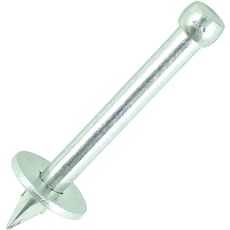
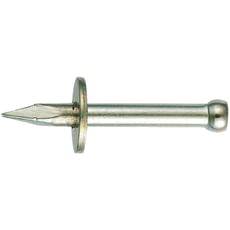
The range available from Tooled-Up.com includes various head styles to suit different applications. Standard flat-head masonry nails offer a flush finish, whilst mushroom-head variants provide increased bearing surface for better holding power when securing softer materials. Washered masonry nails feature integral washers that distribute the load across a wider area, making them particularly effective for fixing sheet materials, insulation boards, or flexible membranes. These specialised fasteners are manufactured by trusted brands including Rawlplug and Timco, ensuring consistent quality and performance across demanding construction and installation projects.
Masonry nails are typically driven using a heavy-duty hammer or specialist fixing tool, delivering a cost-effective alternative to mechanical fixings such as screws and plugs. Their hardened construction allows them to bite directly into masonry substrates, eliminating the need for pre-drilling in many applications. This makes them an invaluable time-saving solution on busy construction sites and renovation projects where speed of installation is essential.
Jargon Buster
- Hardened Steel: Steel that has undergone heat treatment (quenching and tempering) to increase its hardness and resistance to bending, essential for penetrating masonry materials without deformation.
- Mushroom Head: A rounded, domed nail head design that provides greater bearing surface area and improved grip on the material being fixed, preventing pull-through on softer substrates.
- Low Carbon Steel: Steel with minimal carbon content that accepts hardening treatments effectively, providing the optimal balance between hardness for penetration and toughness to resist shattering on impact.
- Batten Fixing: The process of securing timber battens (strips of wood) to masonry walls or floors, commonly used to create fixing points for cladding, insulation, or joinery work.
- Shear Strength: The load-bearing capacity of a fastener when force is applied perpendicular to its shaft, crucial for masonry nails supporting horizontal loads or vertical materials.
- Washered Nail: A masonry nail featuring an integral metal washer that distributes the fastening load across a wider surface area, preventing damage to thin or brittle materials.
Who Uses Masonry Nails?
- Builders and General Contractors: For first-fix carpentry, batten installation, and securing temporary formwork to concrete structures
- Roofers: Fixing roof battens to gable walls, securing felt supports, and installing fascia brackets to masonry
- Electricians: Securing cable clips, conduit supports, and back boxes to brick and concrete walls
- Plumbers: Fixing pipe clips, supports, and brackets to solid masonry surfaces throughout heating and plumbing installations
- Carpenters and Joiners: Installing door frames, architraves, and timber grounds to masonry walls
- Shopfitters and Joiners: Securing frameworks, display fixtures, and timber substrates in commercial refurbishments
- Insulation Installers: Fixing insulation boards, vapour barriers, and thermal breaks to masonry substrates
- DIY Enthusiasts: Home improvement projects including shed bases, garden structures, and internal renovations
- Fencing Contractors: Securing fence panels, gravel boards, and post supports to brick walls and concrete posts
How to Choose the Right Masonry Nails
Substrate Type: Consider the hardness and density of the masonry material. Dense engineering brick and poured concrete require the hardest nails, whilst softer substrates like lightweight blockwork or older brick may accept standard hardened varieties. Always match the nail specification to the substrate to prevent bending or breaking during installation.
Nail Length: Select a length that provides adequate penetration into the masonry whilst passing completely through the material being fixed. As a general rule, the nail should penetrate at least 25-30mm into solid masonry for secure fixing. For timber battens, add the batten thickness plus the required penetration depth.
Head Style: Choose flat heads for flush finishes and applications where protruding heads might cause issues. Opt for mushroom heads when fixing softer materials that might tear or compress, or washered varieties when securing thin sheet materials, membranes, or insulation boards that require load distribution.
Material Being Fixed: The nature of the material being secured influences the head style required. Rigid materials like timber accept standard heads, whilst flexible or brittle materials benefit from washered designs that prevent localised stress and material damage.
Load Requirements: Assess whether the fixing will bear significant weight or shear forces. Heavy-duty applications may require larger diameter nails or closer spacing. For structural or safety-critical applications, consult building regulations and consider engineered fixing systems as alternatives.
Environment and Exposure: For external applications or damp environments, verify the nail's corrosion resistance. Whilst standard masonry nails suit interior dry applications, exposed locations may require galvanised or stainless steel variants to prevent rust and maintain holding power over time.
Popular Accessories
- Hammer Drills and Rotary Hammers: For pre-drilling pilot holes in exceptionally hard masonry to reduce nail bending
- Heavy-Duty Claw Hammers: Robust hammers with sufficient mass to drive masonry nails effectively without excessive striking
- Safety Glasses and Eye Protection: Essential PPE to protect against flying fragments when striking hardened nails into masonry
- Hearing Protection: Ear defenders or plugs to reduce noise exposure during repetitive hammering operations
- Work Gloves: Impact-resistant gloves to protect hands during installation whilst maintaining dexterity
- Nail Pullers and Pry Bars: For removing incorrectly positioned or bent masonry nails
- Masonry Drill Bits: For creating pilot holes in particularly dense substrates or when precision placement is required
- Cable Clips and Brackets: Complementary fixings designed to work with masonry nails for electrical and plumbing installations
Safety Information
Always wear appropriate eye protection when driving masonry nails, as the impact can cause nail fragments, masonry chips, or hardened particles to become airborne. Safety glasses or full-face protection should be worn throughout the installation process. Hearing protection is recommended for extended use, as repetitive hammering generates significant noise levels that may exceed HSE workplace exposure limits.
Inspect nails before use and discard any showing deformation, corrosion, or damage. Never attempt to re-drive bent nails, as the compromised structure may shatter under impact, creating dangerous projectiles. Ensure adequate hand protection to prevent impact injuries, particularly when working in confined spaces where hammer misstrikes are more likely.
Be aware of hidden services within masonry walls. Always check for electrical cables, water pipes, and gas lines before driving nails into walls. Use a cable detector or consult building plans where available. When working at height, maintain three points of contact and use appropriate access equipment. Never overreach whilst hammering, as the impact force can cause loss of balance.
Ensure adequate ventilation when working in enclosed spaces, as repeated impacts on masonry generate dust containing respirable crystalline silica. Consider using dust extraction equipment or respiratory protection for prolonged operations. Follow COSHH regulations regarding masonry dust exposure, particularly when working with concrete or manufactured stone products.
Frequently Asked Questions
Can masonry nails be used in all types of brick and blockwork?
Masonry nails work effectively in most solid brick, concrete, and dense blockwork. However, they may not perform reliably in lightweight aerated blocks, hollow blockwork, or very soft, friable bricks where the material lacks sufficient density to grip the nail shaft. For these substrates, mechanical fixings with expanding mechanisms typically provide superior holding power.
Do I need to pre-drill holes before using masonry nails?
Pre-drilling is not typically required for masonry nails in standard applications—their design allows direct hammering into masonry. However, pilot holes may be beneficial in exceptionally hard concrete or engineering brick to reduce the risk of nail bending. Pre-drilling also helps when working close to edges or in areas where cracking might occur.
What's the difference between standard and washered masonry nails?
Standard masonry nails feature conventional flat or mushroom heads suitable for securing rigid materials like timber. Washered masonry nails incorporate an integral metal washer that distributes the fixing load across a larger surface area, making them ideal for securing flexible materials, thin sheets, insulation boards, or membranes that might tear or pull through with standard designs.
How many masonry nails do I need to secure timber battens to a wall?
Spacing depends on the load and application, but general guidance suggests fixing centres of 400-600mm for non-structural applications. For load-bearing battens supporting heavy cladding or cabinetry, reduce spacing to 300-400mm. Always use at least two nails per batten end, positioned to avoid splitting. Consult relevant building standards for structural applications requiring specific fixing schedules.
Can masonry nails be removed and reused?
Whilst masonry nails can be removed using pry bars or nail pullers, they should not be reused. The driving process work-hardens the nail and may cause microscopic fractures, whilst removal often bends or damages the shaft and tip. Shop masonry nails at Tooled-Up.com where competitive pricing makes using fresh fasteners for each application both practical and economical, ensuring reliable performance throughout your project.