

Masonry Paint Brushes

Pay in 3 interest-free payments on purchases from £20-£3000 with  . Learn more.
 Loading...
End of content
Error - No more pages to load
About Masonry Paint Brushes
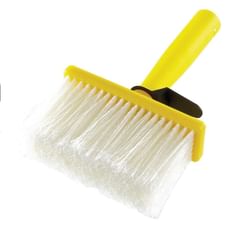
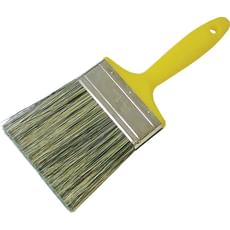
Masonry paint brushes are specialist decorating tools designed specifically for applying paint to rough, porous exterior surfaces such as brick, concrete, render, stone and pebbledash. Unlike standard paintbrushes, these brushes feature robust construction with densely packed bristles that can withstand the abrasive nature of masonry surfaces whilst holding substantial amounts of paint for efficient coverage. The bristle configuration - typically a blend of synthetic fibres or a mix of natural and synthetic materials - allows for effective paint penetration into the textured surface whilst maintaining durability through repeated use on demanding substrates.
The brushes available from Tooled-Up.com are engineered to handle the thicker consistency of masonry paints, which contain additional binders and fillers compared to interior emulsions. Quality masonry brushes typically range from 100mm to 150mm in width, providing the optimal balance between coverage speed and control. Many feature hardwood or plastic handles designed for comfortable grip during extended painting sessions, with some models offering compatibility with extension poles for reaching high walls and gables without scaffolding.
Whether tackling a complete house repaint, refreshing garden walls, or maintaining commercial premises, choosing the right masonry paint brush significantly impacts both the quality of finish and the efficiency of application. Tooled-Up stocks trusted brands including Draper, Faithfull and Stanley, each offering brushes suited to different masonry painting requirements from small touch-up jobs to large-scale exterior redecoration projects.
Jargon Buster
- Synthetic Bristles: Man-made fibres, usually nylon or polyester, that resist water absorption and maintain their shape when used with water-based masonry paints. These bristles are highly durable and easier to clean than natural alternatives.
- Mixed Bristle: A combination of natural and synthetic fibres designed to balance paint-holding capacity with durability. The natural bristles provide excellent paint loading whilst synthetic fibres add resilience for rough surfaces.
- Vapour Box Compatible: Brushes that can be stored in a vapour box - a sealed container that maintains brush condition between coats without cleaning, using solvent vapours to keep bristles pliable and prevent paint from drying.
- Flagged Tips: Bristle ends that are split or frayed, increasing the surface area for smoother paint application and better coverage on textured masonry surfaces.
- Ferrule: The metal band that secures the bristles to the handle. Quality masonry brushes feature stainless steel or galvanised ferrules that resist corrosion when exposed to moisture and paint solvents.
- Paint Loading: The brush's capacity to hold paint within its bristles. Masonry brushes require excellent paint loading to minimise repeated dipping and maximise coverage efficiency on large surface areas.
Who Uses Masonry Paint Brushes?
- Professional Painters and Decorators: Tradespeople specialising in exterior property maintenance and renovation work
- Building Contractors: General builders completing finishing work on new builds, extensions and renovation projects
- Property Maintenance Teams: Council workers, housing association staff and facilities managers maintaining public and commercial buildings
- Landscape Gardeners: Professionals painting garden walls, rendered planters and external structures
- DIY Enthusiasts: Homeowners undertaking exterior property improvements and maintenance
- Restoration Specialists: Craftspeople working on heritage buildings and period property conservation
- Facilities Managers: Site supervisors responsible for maintaining industrial units, warehouses and commercial premises
- Rendering Specialists: Plasterers applying finishing coats and paint systems to newly rendered surfaces
How to Choose the Right Masonry Paint Brushes
Bristle Material: Synthetic bristles work best with modern water-based masonry paints, offering excellent durability and easy cleaning. Mixed bristle brushes suit both water-based and solvent-based paints, though pure synthetic options have largely superseded traditional natural bristles for most masonry applications.
Brush Width: Select 100mm brushes for detailed work around windows, doors and architectural features. Choose 125mm to 150mm widths for large open wall areas where coverage speed matters. Wider brushes reduce application time but require more physical effort over extended periods.
Bristle Density and Length: Densely packed bristles hold more paint and provide better coverage on rough surfaces. Longer bristles offer flexibility for working into textured surfaces like pebbledash, whilst shorter, stiffer bristles suit smoother rendered finishes.
Handle Design: Comfortable grip becomes essential during large projects. Look for ergonomically shaped hardwood or rubberised plastic handles. Some brushes feature threaded sockets for attaching extension poles, invaluable for reaching upper storeys safely from ground level.
Build Quality: Examine the ferrule construction - stainless steel or well-secured galvanised metal prevents rust and bristle loss. Quality brushes from brands like Stanley, Faithfull and Draper at Tooled-Up maintain their performance through multiple projects and thorough cleaning cycles.
Paint Compatibility: Verify the brush suits your chosen paint type. Most modern masonry brushes handle standard water-based masonry paints, but specialist applications like stabilising solutions or textured coatings may require specific bristle configurations.
Popular Accessories
- Extension Poles: Telescopic poles allowing safe application to high walls without ladders or scaffolding
- Paint Kettles: Portable containers for decanting paint, reducing carrying weight and protecting main tins from contamination
- Dust Sheets and Masking Materials: Protection for windows, doors, paving and plants during exterior painting
- Wire Brushes: Surface preparation tools for removing loose material, algae and flaking paint before application
- Masonry Paint: Weather-resistant exterior coatings in various colours and finishes
- Brush Cleaners and Restorers: Specialist solutions for maintaining brush condition and extending working life
- Vapour Boxes: Storage systems keeping brushes usable between coats without washing
- Paint Trays and Scuttles: Alternative loading systems for efficient paint application on large areas
- Sandpaper and Abrasives: Surface preparation materials for keying smooth rendered surfaces
Frequently Asked Questions
Can I use a standard paintbrush for masonry paint?
Whilst possible for small areas, standard decorating brushes lack the bristle density and durability required for textured masonry surfaces. They won't hold sufficient paint volume for efficient coverage, and the abrasive nature of brick and render quickly damages finer bristles. Purpose-designed masonry brushes deliver better results and prove more economical for any substantial exterior painting project.
How do I clean masonry paint brushes properly?
For water-based masonry paints, rinse brushes thoroughly under running water immediately after use, working paint out from the ferrule towards the bristle tips. Use a brush comb to remove paint trapped deep within the bristles. For stubborn residue, use warm soapy water or specialist brush cleaner. Reshape bristles and hang to dry - never leave brushes standing on their bristles as this causes permanent deformation.
What size masonry brush do I need for painting a house exterior?
For complete house exteriors, a 125mm or 150mm brush provides the best balance between coverage speed and manoeuvrability. Keep a smaller 75mm or 100mm brush for cutting in around windows, doors and architectural details. This combination allows efficient working across both large open walls and detailed areas without constantly switching tools.
How long should a quality masonry paint brush last?
With proper care and cleaning, a quality masonry brush from established brands should remain effective through multiple projects spanning several years. Professional decorators typically expect 5-10 substantial projects from a good brush before bristle wear necessitates replacement. Factors affecting longevity include surface roughness, cleaning thoroughness and storage conditions between uses.
Do I need different brushes for smooth render versus rough brickwork?
Whilst the same brush can handle both surfaces, optimal results come from matching bristle characteristics to surface texture. Smooth renders benefit from slightly softer, shorter bristles that create even coverage without excess texture. Rough brickwork and pebbledash work better with longer, more resilient bristles that penetrate surface irregularities. For varied surfaces, a good quality all-purpose masonry brush with mixed bristles provides acceptable performance across different textures.