

Mastic Guns
Pay in 3 interest-free payments on purchases from £30-2000 with  . Learn more.
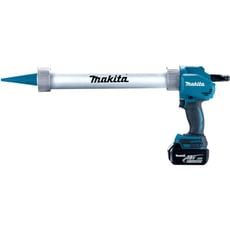
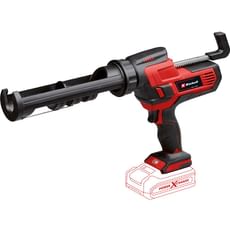
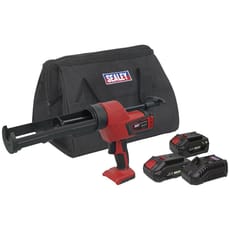
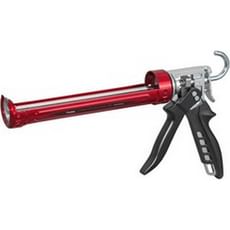
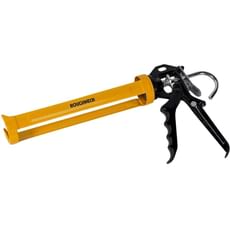
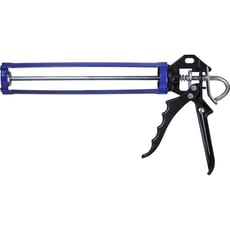
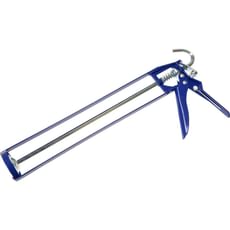
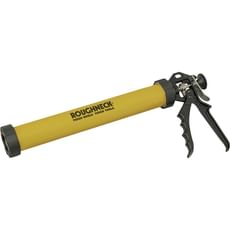
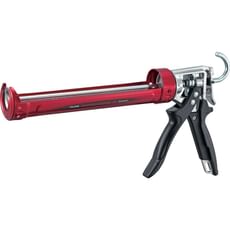
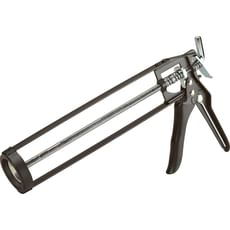
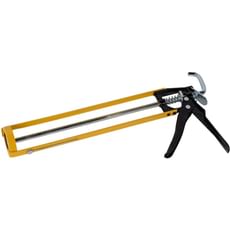
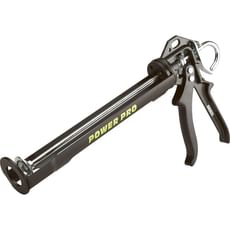
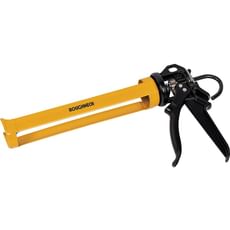
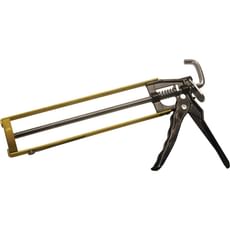
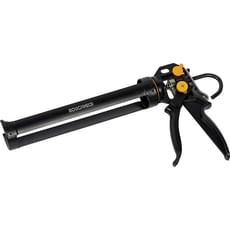
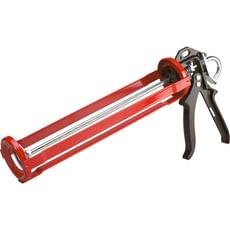
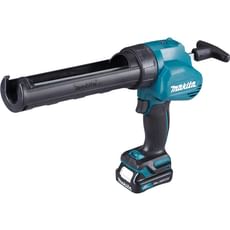
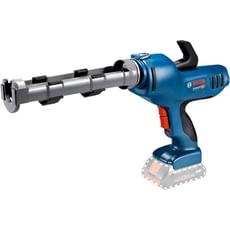
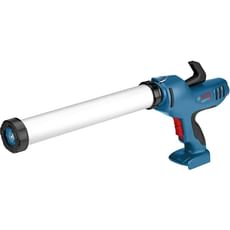
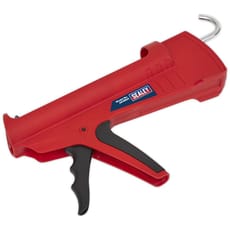
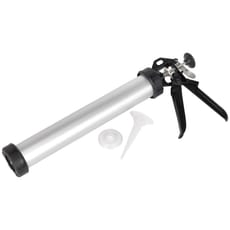

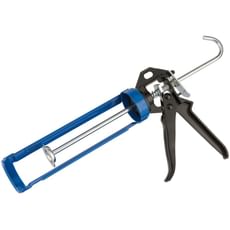


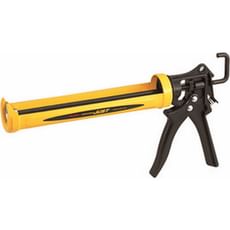
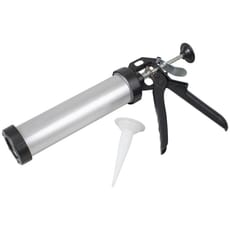
 Loading...
End of content
Error - No more pages to load
About Mastic Guns
Mastic guns, also known as caulking guns or sealant guns, are essential tools for applying adhesives, sealants, and fillers in a controlled, precise manner. Whether you're sealing gaps around windows and doors, applying silicone in bathrooms, or working with construction adhesives on site, a quality mastic gun ensures clean, professional results every time. These versatile tools are indispensable for tradespeople and DIY enthusiasts alike, offering the control and consistency needed for watertight seals and neat finish work across countless applications.
Modern mastic guns come in various configurations to suit different applications and user preferences. Manual skeleton guns offer simplicity and reliability for occasional use, whilst heavy-duty ratchet models provide greater thrust for thick sealants and professional applications. For high-volume work, cordless mastic guns from leading brands like Bosch, DeWalt, and Makita deliver consistent pressure and reduce hand fatigue significantly, making them ideal for tradespeople who apply sealants throughout the day. Whether you're working with standard 310ml cartridges, larger 600ml foil packs, or specialist resin and pointing guns, there's a tool designed for your specific needs.
Tooled-Up.com stocks an extensive range of mastic guns from trusted manufacturers including Sealey, Everbuild, Roughneck, Tajima, and Draper. From budget-friendly skeleton frames perfect for light domestic use to professional-grade cordless models built for demanding site work, the selection available ensures you'll find the right tool for your application and budget.
Jargon Buster
- Thrust Ratio: The mechanical advantage of a mastic gun, typically ranging from 6:1 to 26:1. Higher ratios provide greater force to dispense thick or cold sealants with less effort, making them essential for professional applications and challenging materials.
- Skeleton Frame: A lightweight, open-frame design that holds standard cartridges. These economical guns are ideal for occasional use and light-duty applications, offering straightforward operation without advanced features.
- Ratchet Mechanism: A rod-and-pawl system that advances the plunger incrementally with each trigger squeeze. Better quality ratchets provide smoother, more controlled dispensing and are more durable for regular professional use.
- Dripless/Anti-Drip: A mechanism that releases pressure from the cartridge when you release the trigger, preventing sealant from continuing to flow and creating mess. Essential for neat, professional finishes and reducing material waste.
- Flow Rate: Measured in millilitres per minute, this indicates how quickly a cordless gun can dispense sealant. Higher flow rates (400-600ml/min) suit high-volume applications, whilst lower rates offer greater precision for detailed work.
- Foil Pack Compatibility: The ability to use larger foil-wrapped sealant packs (typically 600ml or 900ml) rather than rigid cartridges, often more economical for high-volume professional use.
Who Uses Mastic Guns?
Mastic guns are essential tools across numerous trades and applications:
- Window Fitters and Glaziers: For sealing frames, applying weatherproofing, and ensuring watertight installations
- Plumbers and Bathroom Fitters: Applying silicone sealant around baths, showers, sinks, and wet room installations
- Joiners and Carpenters: Using decorators' caulk, wood adhesives, and gap fillers for professional finishes
- Builders and General Contractors: Sealing expansion joints, applying construction adhesives, and weatherproofing on site
- Roofers: Applying roof sealants, flashing tape, and waterproofing materials
- Vehicle Body Repair Technicians: Dispensing body sealers, panel adhesives, and seam sealants
- Shopfitters and Drylining Specialists: Applying adhesives and acoustic sealants during installation work
- Maintenance Engineers: General repairs, sealing, and preventative maintenance across facilities
- DIY Enthusiasts: Home improvements, bathroom refurbishment, and general household repairs
How to Choose the Right Mastic Guns
Power Source: Manual guns are economical, reliable, and require no charging, making them ideal for occasional use. Cordless models like the Bosch GCG 18V-600 or DeWalt DCE581 offer consistent pressure, reduced hand fatigue, and significantly increased productivity for professional tradespeople applying sealants daily.
Cartridge Compatibility: Standard 310ml cartridges are most common, but consider whether you need compatibility with larger 600ml or 900ml foil packs for high-volume work. Some specialist guns accommodate sausage packs or dual-component cartridges for specific applications like epoxy resins.
Thrust Ratio and Power: For occasional DIY use with standard silicone, a basic 6:1 or 12:1 ratio suffices. Professional tradespeople working with thick mastics, cold-weather applications, or high-viscosity adhesives should look for 18:1 or 26:1 ratios. Cordless guns typically specify flow rates rather than thrust ratios.
Build Quality: Skeleton frames suit light, occasional use, whilst professionals should invest in robust metal-bodied guns with smooth ratchet mechanisms and comfortable grips. Look for anti-drip features to prevent mess and material waste between applications.
Specialist Requirements: Consider pointing guns for mortar work, resin guns for anchoring applications, or adjustable flow models if working with materials of varying viscosity. Brands like Tajima and Cox offer specialist guns for specific professional applications.
Battery Platform: If choosing cordless, consider whether you already use 18V tools from Makita, DeWalt, Bosch, or Milwaukee. Using your existing battery platform eliminates additional investment in chargers and batteries.
Popular Accessories
- Replacement Nozzles: Various sizes and lengths for different application depths and bead widths
- Angled Tips: For reaching awkward corners and confined spaces
- Sealant Finishing Tools: Profile smoothers and spatulas for professional-looking joints
- Cartridge Puncture Tools: For opening sealed cartridges cleanly
- Drip Catchers: To prevent mess when working overhead or moving between applications
- Spirit Levels with Nozzle Guides: For perfectly straight bead application
- Spare Plungers and Rods: Replacement parts for extending tool life
- Masking Tape and Surface Preparation: Essential for neat, professional finishes
- Sealant and Adhesive Remover: For cleaning up excess material and preparing surfaces
- Additional Battery Packs: For cordless models to ensure uninterrupted work on site
Safety Information
Whilst mastic guns are relatively safe tools, proper handling ensures injury-free operation and quality results. Always check sealant cartridges are correctly loaded and secure before operating to prevent sudden ejection. When using cordless models, ensure batteries are correctly fitted and remove them during cartridge changes to prevent accidental activation.
Many sealants and adhesives contain chemicals that require adequate ventilation during application, particularly in confined spaces like bathrooms or under-floor areas. Consult product-specific COSHH data sheets for materials being dispensed, and wear appropriate PPE including gloves and eye protection when working with irritant or corrosive sealants. Some construction adhesives and chemical anchoring resins can cause skin sensitisation with repeated exposure.
Be mindful of trigger pressure when working at height or on ladders, as unexpected resistance can affect balance. Store sealants according to manufacturer guidelines, as some materials become dangerously pressurised in hot conditions or can freeze and burst cartridges in cold weather. Always point the nozzle away from yourself and others when testing flow or releasing pressure.
Frequently Asked Questions
What's the difference between a skeleton gun and a heavy-duty mastic gun?
Skeleton guns feature a lightweight, open-frame design ideal for occasional use with standard silicones and decorators' caulk. Heavy-duty models have enclosed bodies, higher thrust ratios (typically 18:1 or 26:1), and more robust mechanisms for professional daily use with thick mastics, construction adhesives, and cold-weather applications. The additional investment delivers smoother operation, less hand fatigue, and greater durability on site.
Are cordless mastic guns worth the extra cost?
For professionals applying sealants regularly throughout the day, cordless guns like those from Bosch, DeWalt, and Makita significantly reduce hand fatigue and increase productivity. They deliver consistent pressure regardless of material viscosity and eliminate the repetitive trigger squeezing that causes strain injuries. For occasional DIY use, a quality manual gun offers better value, but tradespeople quickly recoup the investment through time savings and reduced physical strain.
Can I use any mastic gun with 600ml foil packs?
No, you need a gun specifically designed for foil pack compatibility, as these larger packs require different cradles and plunger configurations than standard 310ml cartridge guns. Models like the Everbuild 600ml and 900ml Jumbo guns are purpose-built for foil packs. Some professional guns offer interchangeable cradles for both cartridges and foil packs, providing versatility for different job requirements.
Why does sealant keep flowing after I release the trigger?
This indicates your gun lacks an effective anti-drip or dripless mechanism. Budget skeleton guns often exhibit this issue, resulting in wasted material and messy application. Browse the selection at Tooled-Up for guns with quick-release thumb levers or automatic pressure-release mechanisms that immediately stop flow when you release the trigger. This feature is essential for neat, professional results and is standard on quality professional-grade tools.
What thrust ratio do I need for exterior frame sealant?
Exterior frame sealants and mastics are typically higher viscosity than bathroom silicone, requiring a thrust ratio of at least 12:1, though 18:1 or higher is preferable for effortless application. In cold weather, these materials become even stiffer, so professional window fitters often choose 26:1 manual guns or cordless models that deliver consistent pressure regardless of temperature or material thickness.