

Mauls

Pay in 3 interest-free payments on purchases from £20-£3000 with  . Learn more.
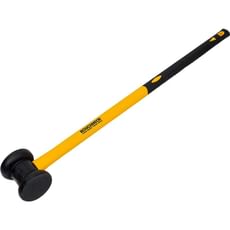
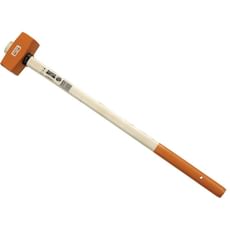
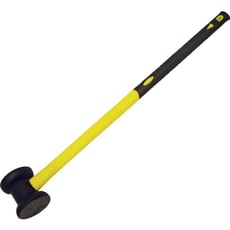
 Loading...
End of content
Error - No more pages to load
About Mauls
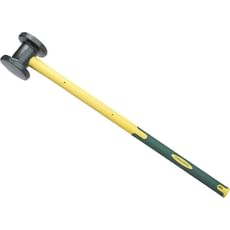
Mauls are heavy-duty striking tools designed for demanding outdoor tasks that require substantial force and impact. Unlike standard sledgehammers, mauls typically feature a wedge-shaped or specialised head designed for specific applications such as splitting wood, driving fence posts, or breaking up paving materials. The combination of significant weight – typically ranging from 3kg to 6.5kg or more – and purpose-built head designs makes mauls indispensable for forestry work, fencing installation, landscaping, and agricultural applications.
Tooled-Up.com stocks a comprehensive range of mauls from trusted manufacturers including Faithfull, Bahco, Bulldog, and Roughneck. These tools are available with various handle materials, including traditional hickory and ash wood handles that absorb shock effectively, as well as modern fibreglass shafts that offer enhanced durability and reduced vibration transfer. Fencing mauls represent a significant category, featuring heads specifically designed with one flat striking face and one tapered face for driving and positioning fence posts efficiently.
The construction quality of a maul directly impacts both performance and user safety. Premium mauls feature high-quality tool steel heads that resist deformation and chipping even under repeated heavy impacts. Handle design is equally critical, with features such as non-slip grip covers and ergonomic shapes reducing user fatigue during extended use. Some models are designed for head replacement, allowing professionals to maintain their preferred handle whilst replacing worn striking surfaces.
Jargon Buster
- Fencing Maul: A specialised maul with one flat face for striking and one tapered or pointed face for driving fence posts into the ground and aligning them accurately.
- Pavers Maul: A heavy striking tool designed specifically for setting paving slabs and blocks, featuring a flat striking surface that distributes force evenly without damaging the paver surface.
- Fibreglass Shaft: A modern handle material constructed from glass fibre reinforced polymer that offers excellent strength-to-weight ratio, weather resistance, and vibration dampening properties.
- Hickory Handle: Traditional wooden handle material prized for its natural shock absorption, flexibility, and strength – hickory is the preferred hardwood for striking tool handles.
- Head Weight: The mass of the striking head measured in kilograms, typically ranging from 3kg to 6.5kg or higher for mauls, with heavier heads delivering greater impact force.
- Suspension Hole: A drilled hole at the handle end (typically 8mm diameter following European standards) that allows the maul to be hung safely on wall hooks for convenient storage.
Who Uses Mauls?
Mauls serve a diverse range of professional tradespeople and serious DIY enthusiasts:
- Fencing Contractors: For driving fence posts, stakes, and positioning framework during installation work
- Landscapers and Groundworkers: Essential for post driving, breaking ground, and heavy-duty site preparation tasks
- Agricultural Workers: Used extensively for fencing repairs, post installation, and general farm maintenance
- Tree Surgeons and Forestry Professionals: For driving splitting wedges and processing felled timber
- Paving and Hard Landscaping Specialists: Pavers mauls are indispensable for setting slabs and blocks accurately
- Builders and General Contractors: For demolition work, driving stakes, and heavy-duty site tasks
- Maintenance Teams and Groundskeepers: For repairs, installations, and general property maintenance requiring heavy striking force
- Keen DIY Enthusiasts: Homeowners undertaking fencing projects, landscaping improvements, or log splitting
How to Choose the Right Mauls
Selecting the appropriate maul depends on several key factors:
Intended Application: Identify your primary use case. Fencing mauls feature specialised head designs with one flat and one tapered face, whilst pavers mauls have broad, flat striking surfaces. General-purpose mauls offer versatility for wood splitting and driving tasks. Match the tool design to your most frequent applications for optimal efficiency.
Head Weight: Heavier heads (5kg-6.5kg) deliver maximum impact force but cause greater user fatigue, making them suitable for intensive professional use or users with the physical capability to wield them effectively. Lighter models (3kg-4kg) offer better control and reduced fatigue for extended work sessions or less demanding tasks.
Handle Material and Length: Traditional wooden handles (hickory or ash) provide excellent shock absorption and a natural feel favoured by many professionals. Fibreglass handles offer superior durability, weather resistance, and consistent performance in varied conditions. Handle length typically ranges from 800mm to 900mm – longer handles generate more striking force but require greater swing space and control.
Grip Features: Non-slip grip covers or textured handle sections significantly improve control, particularly when working in wet conditions or during perspiration-inducing tasks. Consider models with ergonomic grip designs if you'll be using the maul for extended periods.
Build Quality and Brand Reputation: The selection at Tooled-Up includes established manufacturers known for producing reliable striking tools. Look for features such as properly wedged and secured heads, quality steel construction, and robust handle-to-head connections that withstand repeated impacts.
Replacement Options: Some mauls offer replaceable heads, which can prove economical for professional users who wear out striking surfaces before handle failure. Check whether replacement heads are readily available for your chosen model.
Popular Accessories
- Splitting Wedges: Essential companions for wood splitting tasks, used in conjunction with mauls to split large logs efficiently
- Safety Goggles and Face Protection: Critical PPE to protect against flying debris and splinters during striking operations
- Work Gloves: Heavy-duty gloves with reinforced palms reduce blistering and improve grip during extended use
- Fence Post Levels: Ensure accurate post positioning when using fencing mauls for installation work
- Tool Storage Solutions: Wall-mounted hangers, tool racks, or organised storage systems to keep mauls safely stored and readily accessible
- Handle Wedges and Replacement Handles: Maintenance items for wooden-handled mauls to extend tool lifespan
- Ear Protection: Recommended when working in repetitive striking situations where accumulated noise exposure occurs
Safety Information
Mauls are powerful tools that demand respect and proper handling to prevent injury:
Personal Protective Equipment: Always wear safety goggles or face protection to guard against flying debris, splinters, or fragments from the struck object. Steel-toe boots protect feet from dropped tools or rolling materials. Heavy-duty work gloves provide grip and protect hands from blisters and vibration.
Inspection Before Use: Examine the maul head for cracks, chips, or mushrooming (deformation around striking faces). Check that the head is securely attached to the handle with no looseness or play. Wooden handles should be inspected for splits, cracks, or deterioration. Never use a damaged maul as head detachment during use can cause serious injury.
Proper Technique: Maintain a stable, balanced stance with feet shoulder-width apart. Ensure adequate swing clearance in all directions, checking for overhead obstacles, nearby workers, and bystanders. Grip the handle firmly near the end for maximum leverage, keeping your non-striking hand well clear of the impact zone. Let the weight of the head do the work rather than over-exerting yourself.
Work Environment: Keep the work area clear of tripping hazards and ensure good lighting conditions. When driving posts or stakes, check for underground services before striking. Be aware that maul heads can spark when striking metal or stone, so avoid use near flammable materials.
Maintenance: Store mauls in a dry location, hanging by the suspension hole when possible to prevent handle warping. Keep striking faces clean and free from grease or oil which could cause glancing blows. Periodically oil wooden handles to prevent drying and cracking.
Frequently Asked Questions
What's the difference between a maul and a sledgehammer?
Whilst both are heavy striking tools, mauls typically feature specialised head designs for specific tasks. Fencing mauls have one flat and one tapered face, whilst sledgehammers have two identical flat faces. Mauls are often lighter and more manoeuvrable than sledgehammers, designed for precision tasks like post driving rather than pure demolition force.
Should I choose a wooden or fibreglass handle?
Wooden handles (hickory or ash) offer superior shock absorption and a traditional feel preferred by many professionals, but require more maintenance and can deteriorate with weather exposure. Fibreglass handles provide exceptional durability, consistent performance in all weather conditions, and require minimal maintenance. For outdoor work in varied conditions, fibreglass offers practical advantages, whilst wooden handles excel for users who value traditional tool characteristics and natural shock dampening.
How heavy should my maul be?
For fencing and general post-driving work, a 4kg-5kg maul provides an excellent balance between impact force and user control. Heavier models (6kg+) suit experienced users tackling demanding tasks like large post installation or wood splitting. If you're new to using mauls or plan extended work sessions, start with a lighter model (3kg-4kg) to build technique and stamina whilst reducing injury risk from overexertion or loss of control.
Can I use a fencing maul for splitting logs?
Whilst fencing mauls can split smaller logs when used with wedges, they're not optimised for this task. Dedicated splitting mauls feature wedge-shaped heads specifically designed to force wood fibres apart efficiently. The tapered face on fencing mauls serves a different purpose (positioning posts) and won't split wood as effectively as a proper splitting maul design.
How do I maintain a wooden-handled maul?
Regularly inspect wooden handles for cracks or splits, particularly near the head junction. Apply linseed oil or dedicated handle oil several times annually to prevent drying and maintain flexibility. Store in a dry location away from direct sunlight and temperature extremes. If the head becomes loose, drive in a new wedge immediately – a loose head represents a serious safety hazard. Sand any rough spots that develop to prevent splinters and maintain comfortable grip.