

Measuring Jugs

Pay in 3 interest-free payments on purchases from £20-£3000 with  . Learn more.
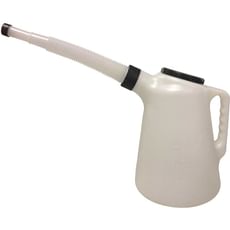
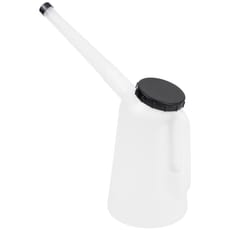
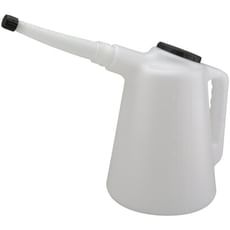
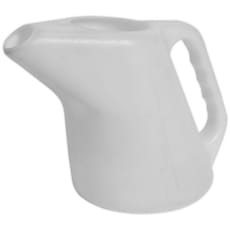
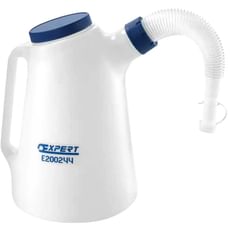
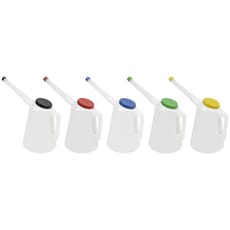
 Loading...
End of content
Error - No more pages to load
About Measuring Jugs
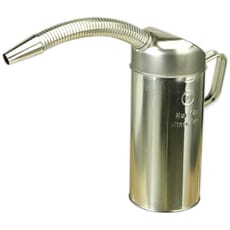
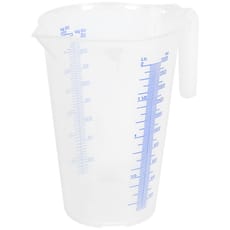
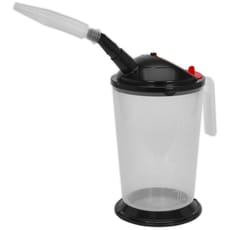
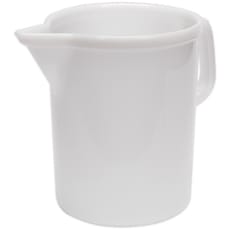
Measuring jugs are indispensable precision tools for workshops, garages, and industrial environments where accurate liquid measurement and controlled pouring are critical to everyday operations. Unlike standard kitchen measuring jugs, professional-grade measuring jugs are specifically engineered to handle oils, lubricants, coolants, and other workshop fluids with chemical-resistant materials that withstand prolonged exposure to aggressive substances. These robust containers feature clear graduated markings in both metric and imperial units, making them essential for mixing ratios, fluid changes, and general workshop maintenance tasks. Available in capacities ranging from 500ml to 5 litres, professional measuring jugs deliver the accuracy and durability that tradespeople and technicians demand.
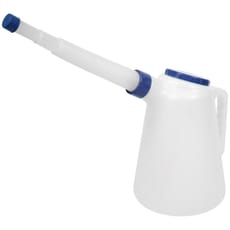
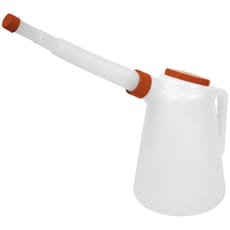
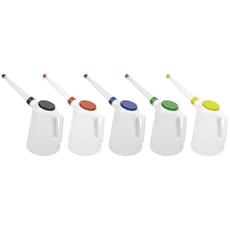
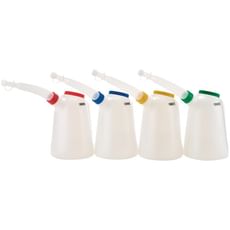
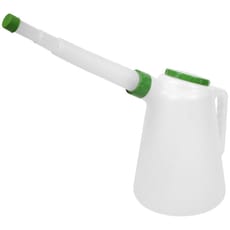
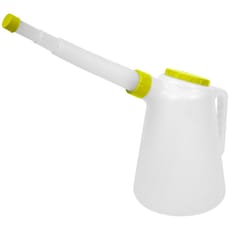
Modern measuring jugs for professional use often incorporate colour-coded systems to prevent dangerous cross-contamination between different fluids—a crucial safety feature when handling engine oils, brake fluids, antifreeze, and cleaning solutions. Many models include flexible or detachable spouts that allow precise pouring into restricted spaces like gearboxes, differentials, and engine bays where access is limited. The selection at Tooled-Up.com features robust measuring jugs from trusted manufacturers including Sealey, Draper, Faithfull, and Expert by Facom, all specifically engineered for the demanding conditions of automotive workshops, plant maintenance, and industrial applications where durability and chemical resistance are paramount.
Professional measuring jugs are constructed from heavy-duty polyethylene or polypropylene materials that resist common workshop chemicals whilst maintaining their clarity for easy reading even after repeated use. Multi-piece sets with jugs in different colours enable tradespeople to dedicate specific containers to particular fluids, reducing the risk of contamination and ensuring compliance with COSHH regulations. Whether you're a mobile mechanic, workshop technician, or facilities manager, having reliable measuring jugs ensures accurate fluid management and helps maintain equipment according to manufacturer specifications whilst improving workplace safety and efficiency.
Jargon Buster
- Flexi-Spout: A flexible pouring spout attachment that bends to reach awkward angles and tight spaces, particularly useful for filling gearboxes, axles, and other restricted access points in automotive applications where rigid spouts cannot reach.
- Chemical Resistance: The ability of the jug material to withstand exposure to oils, solvents, brake fluids, and other aggressive chemicals without degrading, discolouring, or becoming brittle over time, ensuring long-term accuracy and safety.
- Graduated Markings: Measurement scales moulded or printed onto the jug showing volume in millilitres, litres, pints, or fluid ounces, allowing accurate measurement of liquids and precise mixing ratios for two-stroke fuels and coolant concentrates.
- Colour-Coded System: Sets of jugs in different colours (typically red, blue, green, yellow, black) that allow users to dedicate each container to a specific fluid type, preventing dangerous cross-contamination and aiding quick identification in busy workshops.
- Mixing Ratio: The precise proportion of two or more liquids that must be combined, such as two-stroke oil to petrol or concentrated coolant to water, which measuring jugs help achieve accurately through clear graduated markings.
- COSHH Compliance: Adherence to Control of Substances Hazardous to Health regulations, requiring proper handling, storage, and segregation of chemicals and fluids, which colour-coded measuring jug systems help facilitate in professional environments.
Who Uses Measuring Jugs?
Professional measuring jugs are used across numerous trades and industries:
- Motor mechanics and auto electricians – for accurate oil changes, coolant mixing, and fluid top-ups
- Agricultural engineers – mixing two-stroke fuel for machinery and measuring hydraulic fluids
- Plant maintenance technicians – handling industrial lubricants and coolants for heavy machinery
- Mobile mechanics – requiring portable, spillage-free fluid handling solutions
- MOT testing stations – accurate fluid checking and dispensing during inspections
- Fleet maintenance workshops – managing fluid inventory and servicing multiple vehicles
- Marine engineers – measuring oils and lubricants for boat engines and equipment
- Manufacturing facilities – precision dispensing of coolants and cutting fluids
- Facilities managers – maintaining generators, pumps, and backup power systems
- Agricultural contractors – servicing tractors, combine harvesters, and farm equipment
- HGV technicians – handling the larger fluid volumes required for commercial vehicles
- DIY enthusiasts – home vehicle maintenance and equipment servicing
How to Choose the Right Measuring Jugs
Capacity Requirements: Consider what volumes you typically work with in your daily operations. Single 1-litre jugs suit small top-ups and mixing tasks, whilst 3-5 litre capacity jugs are ideal for complete oil changes on passenger vehicles. Many professionals opt for multi-piece sets offering various sizes for different applications, providing maximum flexibility across diverse workshop tasks.
Spout Configuration: Standard rigid spouts work well for open-access pouring into containers and reservoirs, but flexible spouts are invaluable for automotive work where you need to reach gearbox fillers, differentials, and other awkward locations. Some models feature detachable spouts for easy cleaning and compact storage, whilst integrated flexi-spout designs offer immediate convenience.
Material Quality: Look for heavy-duty polyethylene or polypropylene construction that won't crack under demanding workshop conditions. The material must resist common automotive chemicals including engine oils, brake fluids, antifreeze, and petrochemicals without degrading or affecting measurement accuracy. Tooled-Up stocks professional-grade jugs from manufacturers like Sealey and Draper that deliver proven chemical resistance.
Measurement Clarity: Clear, easy-to-read graduated markings are essential for accurate fluid dispensing. Check that measurements are moulded into the plastic rather than printed, as printed markings can wear off with chemical exposure and repeated cleaning. Both metric and imperial scales increase versatility when working with equipment from different manufacturers or following various technical specifications.
Colour-Coding Systems: If you handle multiple fluid types, colour-coded sets prevent cross-contamination—particularly important when dealing with incompatible fluids that could cause equipment damage. This system also aids quick identification in busy workshop environments and helps maintain COSHH compliance by ensuring dedicated containers for specific substances.
Brand Reliability: Established brands like Sealey, Draper, Faithfull, and Expert by Facom offer proven durability and accurate measurement markings backed by professional warranties. Whilst budget options exist, professional-grade jugs from reputable manufacturers provide better long-term value through superior chemical resistance, clarity retention, and longevity in demanding workshop environments.
Popular Accessories
- Funnels and funnel sets – for safe, spillage-free fluid transfer
- Oil drainer containers – collecting used oils during changes
- Fluid dispensing pumps – transferring liquids from bulk containers
- Spill trays and drip trays – containing spillages during fluid handling
- Storage cabinets for flammable liquids – safe COSHH-compliant storage
- Workshop labels and markers – clearly identifying jug contents
- Cleaning brushes and workshop wipes – maintaining equipment hygiene
- Measuring cylinders – when higher precision mixing is required
- Fluid transfer syringes – extracting small quantities from tight spaces
- Oil dispensing bottles – precision application of lubricants
- Waste oil containers – environmentally responsible disposal solutions
Safety Information
When using measuring jugs for workshop fluids, always follow COSHH regulations and maintain proper handling procedures to protect yourself and colleagues. Ensure jugs are clearly labelled with their designated fluid type to prevent dangerous cross-contamination—never use a jug that previously contained one chemical for a different incompatible substance without thorough cleaning and verification. Store measuring jugs away from heat sources and open flames, particularly when they contain flammable liquids like petrol or solvents.
Wear appropriate personal protective equipment including chemical-resistant gloves and safety glasses when handling automotive fluids, coolants, and cleaning solutions. Always pour in well-ventilated areas to avoid inhaling fumes, and use flexible spouts carefully to prevent sudden splashing or spillage that could cause skin contact or eye injuries. Dispose of contaminated fluids according to local environmental regulations—never pour oils, coolants, or chemicals down drains or into general waste streams.
Keep measuring jugs clean and inspect regularly for cracks, discolouration, or degradation that could lead to leaks or measurement inaccuracies. Replace any jugs showing signs of chemical damage, as compromised containers may fail unexpectedly during use. Follow HSE guidelines for handling hazardous substances and maintain proper documentation of fluid management procedures in your workplace to ensure compliance with health and safety requirements.
Frequently Asked Questions
Can I use the same measuring jug for different fluids?
Whilst technically possible after thorough cleaning, it's best practice to dedicate specific jugs to particular fluid types, especially when dealing with incompatible chemicals. Cross-contamination between fluids like engine oil and brake fluid can cause serious equipment damage and safety hazards. Colour-coded sets make this system easy to implement and maintain in busy workshops, with each colour permanently assigned to a specific fluid type.
What capacity measuring jug do I need for a typical oil change?
Most passenger vehicles require 4-6 litres of engine oil, so a 5-litre capacity jug handles complete changes comfortably. However, many mechanics prefer a 1-litre jug for accurate measuring alongside a larger container for bulk pouring. Multi-piece sets offer the best flexibility for various workshop tasks, from small top-ups to complete fluid replacements on different vehicle types.
Are plastic measuring jugs accurate enough for professional use?
Professional-grade plastic measuring jugs from reputable brands offer excellent accuracy for workshop applications. The graduated markings are typically moulded during manufacture, ensuring consistency and resistance to wear from chemical exposure. For critical mixing ratios such as two-stroke fuel or specialist coolants, always verify measurements and follow manufacturer specifications for the fluids you're handling.
How do I clean measuring jugs that have contained oils or chemicals?
Use appropriate workshop degreasers or cleaning solvents suitable for the fluid type, followed by thorough rinsing with warm water. Allow jugs to air-dry completely before storage to prevent water contamination of fresh fluids. For heavily contaminated jugs, multiple cleaning cycles may be necessary. Always dispose of cleaning waste according to environmental regulations and COSHH guidelines, never down workshop drains.
Do flexible spouts fit all measuring jugs?
Spout compatibility varies by manufacturer and model design. Some brands like Sealey offer universal flexible spouts designed to fit their range of measuring jugs, whilst others come as integrated units that cannot be separated. Check product specifications carefully or purchase complete jug-and-spout sets to ensure proper fit and leak-free operation during use in awkward spaces.