

Metal Care

Pay in 3 interest-free payments on purchases from £20-£3000 with  . Learn more.
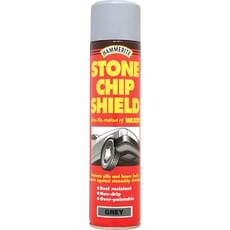
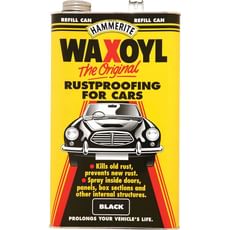
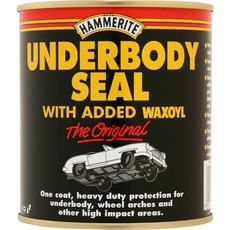
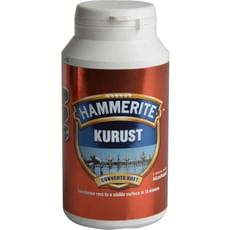
 Loading...
End of content
Error - No more pages to load
About Metal Care
Metal care products are essential for protecting, preserving and restoring metal surfaces across a wide range of applications. From treating rusty car bodies and garden machinery to protecting structural metalwork and fabrications, the right metal care solution can extend the life of valuable equipment and prevent costly corrosion damage. Tooled-Up.com stocks a comprehensive range of metal care products including rust removers, rust converters, metal primers, protective coatings, underbody seals, stone chip shields and metal lacquers from trusted brands such as Hammerite, Plastikote and Rustins.
Professional metal care involves more than simply painting over rust. Effective treatment requires products that can penetrate existing corrosion, neutralise rust at a chemical level, and create a protective barrier against moisture, oxygen and environmental contaminants. Modern rust beaters combine multiple functions in one application, offering rust killing, priming and undercoating properties that save time and labour. For vehicle undercarriage protection, specialist products like Waxoyl and underbody seals provide long-lasting defence against road salt, water ingress and stone damage.
Whether restoring classic vehicles, maintaining agricultural machinery, protecting outdoor metalwork or undertaking fabrication projects, choosing the correct metal care product for the substrate and environment is crucial. Different formulations suit different metals and applications, with options available for ferrous metals, non-ferrous surfaces, and various finish requirements from satin lacquers to textured protective coatings.
Jargon Buster
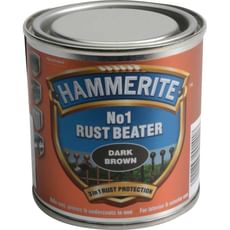
- Rust Beater/Rust Converter: A chemical treatment that converts existing iron oxide (rust) into a stable compound whilst providing a protective primer layer. These products eliminate the need for complete rust removal before treatment.
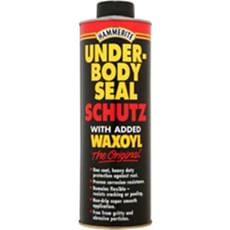
- Underbody Seal: A thick, protective coating applied to vehicle undersides and wheel arches to prevent corrosion from road salt, moisture and debris. Typically has a textured finish that resists stone chip damage.
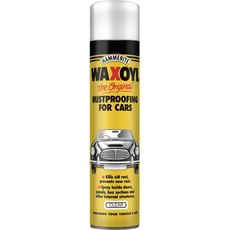
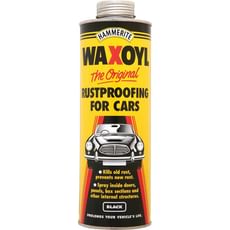
- Waxoyl: A penetrating, wax-based rust prevention treatment that creeps into seams, cavities and joints to displace moisture and form a long-lasting protective barrier. Particularly effective for hollow sections and enclosed spaces.
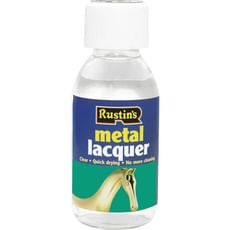
- Metal Lacquer: A clear protective coating applied to bare or polished metal surfaces to prevent tarnishing and oxidation whilst maintaining the metal's natural appearance.
- High-Build Finish: A thick coating formulation that fills heavily pitted or uneven surfaces, creating a smooth finished appearance whilst providing enhanced corrosion protection.
- Ferrous Metal: Metals containing iron, such as steel and cast iron, which are susceptible to rust formation. Most rust treatment products are specifically formulated for ferrous metals.
Who Uses Metal Care?
- Vehicle Mechanics and Body Repair Technicians: For treating rust on car bodies, chassis, exhaust systems and undercarriage components
- Classic Car Restorers: Preserving and protecting vintage vehicle metalwork during restoration projects
- Agricultural Engineers: Maintaining tractors, implements and farm machinery exposed to harsh outdoor conditions
- Fabricators and Metalworkers: Protecting finished metalwork, structural steel and fabricated components
- Property Maintenance Professionals: Treating gates, railings, guttering, downpipes and external metalwork
- Marine Engineers: Protecting boat trailers, outboard engines and marine metalwork from saltwater corrosion
- DIY Enthusiasts and Homeowners: Restoring garden tools, bicycles, outdoor furniture and domestic metal items
- Plant and Machinery Operators: Maintaining construction equipment, generators and industrial machinery
- Groundskeepers and Landscapers: Protecting mowers, strimmers and outdoor equipment from rust
How to Choose the Right Metal Care
Assess the Metal Type: Confirm whether the substrate is ferrous (iron-containing) or non-ferrous (aluminium, copper, brass). Most rust treatment products are designed specifically for ferrous metals, whilst metal lacquers suit both types.
Evaluate the Rust Condition: Light surface rust may only require a rust converter and topcoat, whilst heavily pitted areas benefit from high-build rust beaters that fill imperfections. Active, flaking rust requires more aggressive treatment than surface tarnishing.
Consider the Application Method: Products available at Tooled-Up range from brush-applied tins for detailed work to aerosol sprays for quick coverage and pressure sprayers for large areas or cavity treatment. Match the format to your project scale and access requirements.
Determine the Environment: Exterior metalwork exposed to weather requires different protection than interior items. Vehicle undersides need stone chip resistant underbody seals, whilst decorative items may need clear lacquers to maintain appearance.
Check Topcoat Compatibility: If you plan to apply paint over rust treatment, verify the product is compatible with your chosen topcoat. Some rust converters require specific primers or waiting times before overcoating.
Review Drying Times: Touch-dry times vary from two hours to overnight depending on formulation, temperature and humidity. Consider project timescales when selecting products.
Popular Accessories
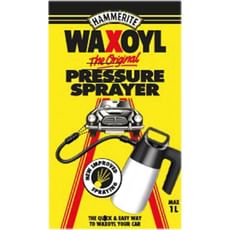
- Pressure Sprayers: For applying liquid treatments to large areas, cavities and hard-to-reach spaces
- Wire Brushes: Manual and drill-mounted versions for preparing surfaces and removing loose rust
- Rust Removal Discs: Abrasive attachments for angle grinders to strip heavy corrosion
- Paint Brushes and Rollers: Quality applicators for achieving smooth, professional finishes
- Masking Tape and Sheeting: Protecting adjacent surfaces during application
- White Spirit and Thinners: For cleaning equipment and thinning certain products
- Surface Preparation Compounds: Degreasers and cleaners for optimal product adhesion
- Safety Equipment: Gloves, respirators and eye protection for working with chemical treatments
- Drop Cloths and Protective Sheeting: Preventing overspray and drips during application
Safety Information
Metal care products contain chemicals that require careful handling and appropriate personal protective equipment. Always wear chemical-resistant gloves, eye protection and ensure adequate ventilation when working indoors. Many rust treatments and solvents emit fumes that may be harmful if inhaled, so use respirators when working in confined spaces or applying large quantities.
Follow COSHH (Control of Substances Hazardous to Health) regulations when using these products in professional settings. Read product labels thoroughly before use and observe all manufacturer safety recommendations. Store metal care products in their original containers, away from heat sources and naked flames, as many formulations are flammable.
Aerosol products should never be punctured or incinerated, even when empty. Dispose of containers and waste materials according to local authority guidelines for chemical waste. Keep all metal care products out of reach of children and pets.
Frequently Asked Questions
Do I need to remove all rust before applying rust treatment products?
Not necessarily. Modern rust converters and rust beaters can be applied directly to rusty surfaces, though loose, flaking rust should be removed with a wire brush. These products chemically convert existing rust into a stable layer. For best results on heavily corroded items, remove as much loose material as possible before treatment.
What's the difference between underbody seal and Waxoyl?
Underbody seal is a thick, textured coating applied externally to protect against stone chips and abrasion, typically used on wheel arches and chassis undersides. Waxoyl is a thinner, penetrating treatment that creeps into seams and cavities, displacing moisture in enclosed spaces. Both offer corrosion protection but suit different applications.
Can I paint over rust treatment products?
Many rust converters and rust beaters are designed as primers compatible with topcoats, but always check the manufacturer's specifications. Some products require a specific drying time before overcoating, whilst others are ready for topcoat within hours. Metal lacquers are typically finishing products not intended for overcoating.
How long do metal protection treatments last?
Durability depends on the product type, application quality and environmental exposure. Properly applied underbody seals and wax treatments can provide protection for several years on vehicles. Exposed exterior metalwork may require retreatment every 2-3 years depending on weather conditions. Regular inspection allows touch-ups before corrosion takes hold.
Are metal care products suitable for aluminium and galvanised steel?
Most rust treatment products are formulated specifically for ferrous metals and may not be suitable for aluminium or galvanised surfaces. Check product specifications before use. Metal lacquers often suit various metal types for maintaining appearance and preventing tarnishing on non-ferrous metals.