

Metal Cut Off Saws
Pay in 3 interest-free payments on purchases from £30-2000 with  . Learn more.
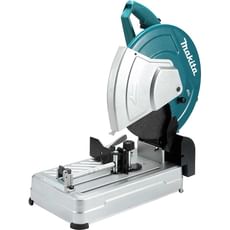
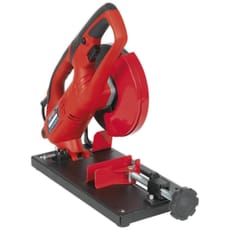
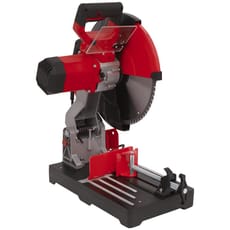
 Loading...
End of content
Error - No more pages to load
About Metal Cut Off Saws
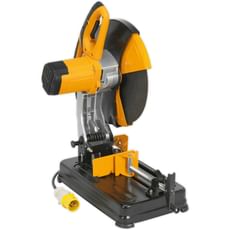
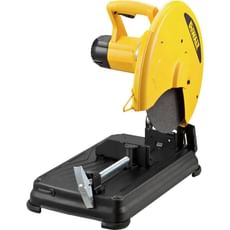
Metal cut off saws are heavy-duty power tools designed specifically for cutting through ferrous and non-ferrous metals with speed, precision and safety. Built around powerful motors and robust cutting mechanisms, these specialised saws make light work of cutting steel pipes, conduit, box section, angle iron, rebar and various metal profiles that would quickly destroy standard woodworking equipment. Available in both corded 240v and cordless battery-powered configurations, metal cut off saws typically feature disc sizes ranging from 150mm for compact models up to 355mm for heavy-duty industrial applications.
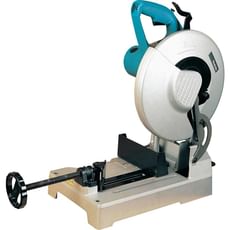
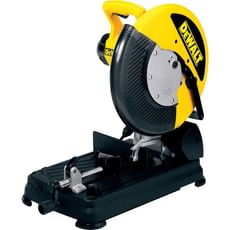
The selection at Tooled-Up.com includes two main types of metal cutting saws: abrasive cut off saws that use bonded abrasive discs to grind through metal, and dry cutting saws equipped with specialist TCT (Tungsten Carbide Tipped) blades that slice through metal with minimal sparks and heat generation. Abrasive models are the traditional choice for fabricators and steelworkers, whilst dry cutting saws with toothed metal blades produce cleaner cuts with less burring, reduced noise levels and virtually no spark production - making them increasingly popular for site work and indoor applications where hot work permits may be required.
Professional brands including Makita, DeWalt, Bosch Professional and Sealey dominate this category, offering machines ranging from compact 150mm models for smaller workshops through to robust 355mm saws capable of cutting substantial steel sections. Modern metal cut off saws incorporate safety features such as blade guards, quick-release vices, spark deflectors and emergency stop switches, whilst premium models may include laser guides for enhanced accuracy, adjustable cutting angles for mitring, and material extension supports for handling longer stock.
Jargon Buster
- Abrasive Disc: A bonded grinding disc composed of abrasive particles that cuts through metal by friction and grinding action. These consumable discs wear down with use and produce significant sparks and heat during operation.
- TCT Blade (Tungsten Carbide Tipped): A circular saw blade with tungsten carbide teeth designed specifically for dry cutting metal. These blades produce cleaner cuts with minimal sparks compared to abrasive discs and have a longer lifespan.
- Dry Cutting: A metal cutting method that uses toothed blades rather than abrasive discs, resulting in cooler cuts with reduced spark production, less heat discolouration and minimal burring on the cut edge.
- Chop Saw: Another common term for a metal cut off saw, referring to the downward chopping action used to make cuts. The workpiece is secured in a vice whilst the blade assembly pivots down through the material.
- Burr: The rough or sharp edge left on metal after cutting. Dry cutting TCT blades typically produce less burring than abrasive discs, reducing the need for secondary finishing operations.
- No-Load Speed (RPM): The rotational speed of the blade when the saw is running without cutting. Metal cut off saws typically operate at lower RPM than wood-cutting saws, with speeds optimised for metal cutting between 1,300-4,000 RPM depending on disc size.
Who Uses Metal Cut Off Saws?
- Steel Fabricators and Welders: For cutting structural steel, box section, angle iron and steel plate to length before welding and assembly
- Plumbers and Heating Engineers: Cutting copper and steel pipes, conduit and threaded bar on installation projects
- Electricians: Trimming cable tray, trunking, conduit and EMT to size during electrical installations
- Construction Workers and Groundworkers: Cutting rebar, mesh reinforcement and steel fixings on building sites
- Mechanical Engineers and Maintenance Fitters: Preparing stock material and cutting components in workshops and maintenance facilities
- Agricultural and Fencing Contractors: Cutting gate posts, fence rails and agricultural metalwork
- Automotive and Vehicle Repair Specialists: Cutting exhaust pipes, chassis components and body panels
- Blacksmiths and Ornamental Metalworkers: Preparing stock material for forging and fabrication projects
- DIY Enthusiasts and Home Workshop Users: Tackling metalworking projects, repairs and home improvements involving steel and metal
How to Choose the Right Metal Cut Off Saws
Disc Size and Cutting Capacity: The disc diameter determines maximum cutting capacity. Compact 150mm models suit small-section material and portability, whilst 305-355mm saws handle larger diameter pipes and substantial steel sections. Consider the largest material you'll regularly cut and allow some capacity overhead.
Abrasive vs Dry Cutting: Abrasive cut off saws are generally more affordable and cut quickly through most metals, but produce showers of sparks, significant noise and require regular disc replacement. Dry cutting saws with TCT blades cost more initially but offer cleaner cuts, reduced noise, minimal sparks (safer for site work), longer blade life and less finishing work. For indoor or occupied premises, dry cutting models are often preferred.
Power Source: Corded 240v models from Tooled-Up provide unlimited runtime and consistent power for workshop use and extended cutting sessions. Cordless battery-powered saws offer excellent portability for site work, remote locations and situations where trailing cables pose trip hazards, though runtime is limited by battery capacity and they typically suit lighter-duty applications.
Motor Power: More powerful motors (typically 1,500-2,400W for 240v models) cut faster through dense materials and cope better with continuous use. Match motor power to your workload - occasional light use requires less power than daily fabrication work on heavy-gauge steel.
Vice and Clamping System: A quality quick-release vice that securely holds round pipes, square/rectangular section and flat bar is essential for safe, accurate cutting. Look for models with adjustable jaws, degree markings for angled cuts, and robust construction that resists movement during cutting.
Build Quality and Features: Professional machines from brands like Makita, DeWalt and Bosch Professional feature heavy-duty construction, precision-machined components and enhanced durability for demanding commercial use. Useful features include laser cutting guides, adjustable spark guards, material extension supports, quick-change blade systems and comfortable handles with dead-man switches.
Safety Features: All metal cut off saws should include blade guards, protective screens or spark deflectors, emergency stop switches and secure base mounting. Some models include additional safety features like electronic brakes and soft-start motors to reduce kickback.
Popular Accessories
- Replacement Abrasive Cutting Discs: Consumable discs specifically rated for metal cutting in various sizes to match your saw
- TCT Metal Cutting Blades: Replacement tungsten carbide tipped blades for dry cutting applications
- Material Extension Arms: Support longer pipes, tubes and sections during cutting for improved accuracy and safety
- Quick-Release Vice Upgrades: Enhanced clamping systems for securing awkward profiles or non-standard materials
- Spark Deflector Screens: Additional guards to direct sparks away from the operator and surrounding area
- Workbenches and Saw Stands: Dedicated stands or benches for secure mounting of the cut off saw at comfortable working height
- Personal Protective Equipment: Safety glasses or face shields, hearing protection, protective gloves and flame-resistant workwear
- Cutting Lubricants and Coolants: Specialist products to reduce heat and friction when cutting certain metals
- Measuring and Marking Tools: Tape measures, engineers' squares and marking pens for accurate material preparation
Safety Information
Metal cut off saws are powerful tools that demand respect and proper safety precautions. Always ensure the machine is securely mounted or positioned on a stable surface before operation - never attempt to hold or support the saw by hand whilst cutting. The workpiece must be firmly clamped in the vice with sufficient material secured either side of the cutting line to prevent movement or binding.
Appropriate PPE is mandatory when operating metal cut off saws. Safety glasses or a full face shield protect against flying sparks, metal fragments and abrasive dust. Hearing protection is essential as these tools generate noise levels often exceeding 100dB. Wear close-fitting clothing without loose cuffs or drawstrings that could catch in moving parts, and avoid gloves when operating the machine (though they may be needed for handling hot cut material afterwards).
Abrasive cut off saws produce substantial sparks that can ignite combustible materials - clear the work area of flammable substances, ensure adequate ventilation, and have fire extinguishing equipment readily available. Be aware that cut metal edges and components become extremely hot during cutting and may cause burns if touched immediately. Allow time for cooling or use appropriate tools to handle freshly cut material.
Always disconnect from the power supply or remove the battery before changing blades or discs, adjusting guards, or performing any maintenance. Only use cutting discs and blades rated for the specific saw model and within the manufacturer's specified speed ratings. Inspect discs and blades before use for cracks, damage or excessive wear. Follow HSE guidance for metalworking operations and ensure adequate dust extraction or ventilation, particularly when cutting galvanised, painted or coated metals that may produce hazardous fumes.
Frequently Asked Questions
What's the difference between an abrasive cut off saw and a dry cutting metal saw?
Abrasive cut off saws use bonded grinding discs that wear away as they cut, producing lots of sparks, heat and noise. Dry cutting saws use TCT blades with carbide teeth that slice through metal with minimal sparks, less noise, cooler cuts and reduced burring. Dry cutting saws are cleaner and safer for site work but typically cost more initially, whilst abrasive saws are the traditional choice for heavy fabrication and offer faster cutting through very thick sections.
Can I cut stainless steel and aluminium with a metal cut off saw?
Yes, but blade selection is crucial. For abrasive saws, use discs specifically rated for stainless steel or non-ferrous metals. For dry cutting saws, ensure the TCT blade is suitable for the specific metal type - some blades are optimised for mild steel whilst others handle stainless or aluminium. Always check manufacturer recommendations, as aluminium in particular can clog certain blades and requires appropriate cutting speeds.
Do I need a hot work permit to use a metal cut off saw on site?
For traditional abrasive cut off saws that produce significant sparks, you'll typically need a hot work permit when working on active construction sites, in occupied buildings, or near flammable materials. However, dry cutting saws with TCT blades produce minimal sparks and may not require hot work permits in many situations, though you should always check with the site supervisor or principal contractor. This is one reason why dry cutting saws are increasingly popular for site-based work.
What size metal cut off saw do I need for cutting 4-inch steel pipe?
For cutting 4-inch (approximately 100mm) diameter steel pipe, you'll need at least a 305mm (12-inch) cut off saw, though a 355mm (14-inch) model provides more capacity and easier positioning. Always check the manufacturer's specifications for maximum cutting capacity on round pipe - this is typically less than the theoretical maximum due to the vice configuration and blade guard clearance.
How long do abrasive discs and TCT blades typically last?
Abrasive disc life varies considerably depending on material hardness and cutting frequency, but expect anywhere from 20-200 cuts before replacement is needed. TCT blades last significantly longer - potentially several thousand cuts in mild steel before requiring sharpening or replacement. Blade life depends on material type, cutting technique, keeping the blade clean and operating at correct speeds. Dry cutting TCT blades represent better long-term value despite higher initial cost.