

Metal Lathes

Pay in 3 interest-free payments on purchases from £20-£3000 with  . Learn more.
 Loading...
End of content
Error - No more pages to load
About Metal Lathes
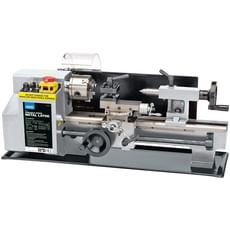
Metal lathes are precision machine tools designed for shaping and machining metal workpieces through controlled rotation. These versatile machines spin the workpiece at variable speeds whilst cutting tools are applied to remove material, enabling operators to create cylindrical shapes, threads, tapers, and complex turned components with exceptional accuracy. Whether you're producing custom parts, repairing machinery components, or undertaking restoration work, a metal lathe represents an indispensable tool for any serious metalworking workshop.
The selection at Tooled-Up.com includes bench-mounted mini lathes ideal for smaller workshops and hobbyist use, through to more substantial metalworking lathes capable of handling larger workpieces. Brands such as Sealey and Draper offer reliable machines suited to both professional engineering environments and well-equipped home workshops. Many models incorporate additional functionality such as milling and drilling capabilities, transforming a single machine into a comprehensive metalworking centre that maximises workshop efficiency whilst minimising space requirements.
Modern metal lathes feature variable speed controls, precision lead screws, and robust cast iron construction to ensure vibration-free operation and consistent results. Whether you're a model engineer, general machinist, or automotive engineer, selecting the right lathe capacity and features will determine the scope of projects you can tackle and the precision you can achieve.
Jargon Buster
- Swing Over Bed: The maximum diameter of workpiece that can be rotated over the lathe bed, typically measured in millimetres. This dimension determines the largest diameter component you can machine on your lathe.
- Distance Between Centres: The maximum length of workpiece that can be mounted between the headstock and tailstock centres, defining the longest pieces you can work with. Common capacities range from 300mm for mini lathes to 1000mm or more for larger machines.
- Spindle Bore: The diameter of the hollow opening through the headstock spindle, allowing longer bar stock to pass through for continuous production work. A larger bore increases versatility for bar feeding operations.
- Chuck Size: The diameter of the chuck (usually 3-jaw or 4-jaw) that holds the workpiece, measured in millimetres. Common sizes include 80mm, 100mm, and larger for industrial applications, with the chuck size influencing the maximum workpiece diameter you can securely grip.
- Tailstock: The moveable component at the opposite end from the headstock that supports longer workpieces or holds drilling tools for centre drilling operations. Essential for preventing workpiece deflection on longer components.
- Lead Screw: The threaded shaft that drives the carriage along the bed, enabling automatic feed rates and thread cutting operations with consistent pitch. Precision-ground lead screws ensure accurate thread production and smooth carriage movement.
Who Uses Metal Lathes?
Metal lathes serve a diverse range of professional tradespeople and skilled hobbyists:
- Model Engineers: Creating precision components for steam engines, miniature locomotives, and scale models requiring exceptional accuracy and fine detail work
- General Machinists: Producing custom parts, shafts, bushings, and turned components for industrial machinery and equipment across manufacturing sectors
- Automotive Engineers: Manufacturing or repairing engine components, brake drums, flywheels, and custom automotive parts for restoration and performance applications
- Tool and Die Makers: Fabricating precision tooling, jigs, fixtures, and specialised components for manufacturing processes requiring tight tolerances
- Agricultural Mechanics: Repairing and manufacturing replacement parts for farm machinery and equipment in rural workshops where original parts may be obsolete
- Maintenance Engineers: Creating replacement components for obsolete machinery where original parts are no longer available from manufacturers
- Jewellery Makers: Using mini lathes for precision work on rings, bezels, and small decorative metalwork requiring fine detail
- Hobbyists and DIY Enthusiasts: Undertaking model making, home engineering projects, and restoration work on vintage machinery
- Educational Institutions: Training students in traditional metalworking skills and precision engineering techniques
How to Choose the Right Metal Lathe
Capacity and Size: Determine the maximum dimensions of workpieces you'll machine regularly. Mini lathes typically offer 300-400mm between centres and are ideal for smaller components and limited workshop space. Larger models provide greater capacity for more substantial engineering projects. Always allow headroom for future projects beyond your immediate requirements to avoid outgrowing your machine too quickly.
Power and Speed Range: UK domestic workshops typically operate on 240v single-phase supply, which suits most bench-mounted lathes perfectly. Variable speed control is essential for working with different materials and tool types – slower speeds for larger diameters and tougher materials, faster speeds for finishing cuts on smaller work. Look for models offering at least 6-8 speed settings for versatility across different machining operations.
Construction Quality: Cast iron beds and headstocks provide the rigidity necessary for precision work and vibration dampening during operation. Check the weight of the machine – heavier generally indicates more substantial construction and better stability during cutting. Quality lead screws and accurately ground bed ways ensure longevity and maintained precision over years of use.
Versatility: Some models combine lathe, milling, and drilling capabilities in one machine, maximising functionality in space-restricted workshops. Whilst compromise is inherent in combination machines, they offer excellent value for hobbyists and small workshops with varied metalworking requirements.
Accessories and Tooling: Consider what's included as standard – chucks, face plates, tool posts, centres, and change gears for thread cutting. Models supplied as complete packages represent better value than base machines requiring extensive additional purchases before productive work can commence.
Budget Considerations: Entry-level mini lathes suit hobbyists and light-duty work, whilst professional engineers require more robust machines. Available at Tooled-Up, both Sealey and Draper offer reliable options across price points, balancing affordability with the build quality necessary for accurate metalworking.
Popular Accessories
- Cutting Tools: High-speed steel (HSS) and carbide-tipped turning tools for different materials and cutting operations including facing, turning, parting, and threading
- 4-Jaw Independent Chuck: Allows precise centring of irregular or off-centre workpieces, essential for specialised machining operations beyond standard round stock
- Collet Sets: Provide extremely accurate centring for precision work on round bar stock, particularly useful for production runs requiring consistent concentricity
- Dial Test Indicators: Essential measuring instruments for setting up work accurately and checking concentricity during machining operations
- Quick Change Tool Posts: Enable rapid tool changes without lengthy resetting, significantly improving productivity for varied operations
- Steady Rests and Follower Rests: Support long, slender workpieces to prevent deflection and chatter during machining, essential for accurate turning of extended shafts
- Cutting Fluid and Lubricants: Specialised coolants and cutting compounds extend tool life and improve surface finish quality whilst reducing heat generation
- Digital Readout (DRO) Systems: Electronic measurement displays that eliminate calculation errors and speed up precise positioning for critical dimensions
Safety Information
Personal Protective Equipment: Always wear approved safety glasses or a full face shield to protect against flying metal chips and swarf. Avoid loose clothing, ties, jewellery, and ensure long hair is tied back and contained – rotating chucks and workpieces can catch loose items with devastating consequences. Steel-toed safety boots protect feet from dropped workpieces or tooling.
Machine Guarding: Ensure chuck guards are fitted and properly positioned during operation. Never reach over rotating workpieces or attempt to remove swarf whilst the machine is running. Always bring the lathe to a complete stop before making measurements or adjustments to maintain safe working practices.
Electrical Safety: Metal lathes must be properly earthed and connected via appropriate 13A or 16A supplies depending on motor size. Consider fitting an emergency stop button within easy reach. Ensure cables are routed safely away from moving parts and cutting areas to prevent damage or electrical hazards.
Work Area Organisation: Maintain a clean, organised workspace with adequate lighting. Metal swarf creates slip hazards and should be regularly cleared using appropriate tools, never by hand. Store cutting tools safely when not in use and ensure the machine is properly secured to a robust bench or floor mounting.
Training and Competence: The HSE recommends proper training before operating machine tools. Inexperienced users should receive thorough instruction from qualified personnel before independent operation. Always consult the manufacturer's manual for specific safety guidance relating to your particular model.
Frequently Asked Questions
What size metal lathe do I need for home workshop use?
For most hobby and light professional work, a mini lathe with 300mm between centres and 180-200mm swing over bed provides excellent capability whilst fitting on a standard workbench. This capacity handles the majority of small component work, model engineering, and general repair tasks. Consider your largest anticipated workpiece and add 25-30% capacity for flexibility and future projects.
Can I use a metal lathe on a standard domestic electricity supply?
Yes, most bench-mounted metal lathes are designed for 240v single-phase UK domestic supply and draw between 400-750 watts, well within the capacity of a standard 13A socket. Larger floor-standing industrial lathes may require three-phase supply. Always verify the electrical requirements before purchase and ensure your workshop circuit can safely handle the load.
What's the difference between a 3-jaw and 4-jaw chuck?
A 3-jaw self-centring chuck automatically centres round or hexagonal stock as you tighten it, making it quick and convenient for most turning operations. A 4-jaw independent chuck requires manual adjustment of each jaw individually, allowing you to precisely centre irregular shapes or deliberately offset work for eccentric turning operations. Most users benefit from having both types available for different applications.
Do I need previous experience to operate a metal lathe safely?
Whilst metal lathes are accessible to beginners, proper instruction is essential for safe operation. Consider attending a local evening class or workshop course covering basic metalworking skills. Many models include instructional materials, but hands-on guidance from an experienced machinist provides invaluable knowledge about safe practices, tool selection, and proper techniques.
What materials can I machine on a metal lathe?
Metal lathes handle a wide range of materials including mild steel, aluminium, brass, bronze, copper, and even some plastics. Stainless steel and harder alloys require more powerful machines with rigid construction and appropriate cutting tools. Always use correct cutting speeds and feeds for the material being machined, and ensure your lathe has sufficient power and rigidity for tougher materials to achieve acceptable results.