

Microwave Testers

Pay in 3 interest-free payments on purchases from £20-£3000 with  . Learn more.
 Loading...
End of content
Error - No more pages to load
About Microwave Testers
Microwave testers, also known as microwave leak detectors, are essential safety devices designed to detect electromagnetic radiation leaking from microwave ovens and other appliances that operate on similar frequencies. These handheld instruments provide a quick and reliable method for checking whether a microwave oven is operating safely within acceptable radiation limits, helping to protect users from potential exposure to harmful electromagnetic fields. With increasing awareness of electromagnetic safety in both domestic and commercial environments, these testers have become an important tool for maintenance professionals, safety inspectors, and concerned homeowners alike.
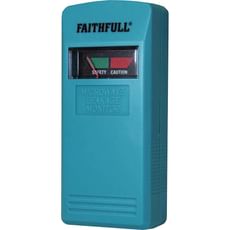
The microwave testers available from Tooled-Up.com typically feature analogue or digital displays that clearly indicate radiation levels, with colour-coded zones showing safe operating parameters (usually green) and warning zones (typically red or amber) that signal potentially dangerous leakage. Most detectors are calibrated to measure electromagnetic field strength around the standard microwave operating frequency of 2.45 GHz, with sensitivity levels that comply with international safety standards. These compact, battery-powered devices are designed for ease of use, allowing anyone to conduct a thorough safety check in just a few minutes by moving the detector around the door seals, viewing window, and ventilation areas where leaks most commonly occur.
Regular testing is particularly important for older microwave ovens, commercial catering equipment that receives heavy use, or any unit that has suffered physical damage to its door or seals. Electromagnetic leakage can pose health risks, with expectant mothers, children, and individuals with pacemakers being especially vulnerable. Tooled-Up stocks reliable microwave leak detectors from trusted brands like Faithfull, offering tradespeople and safety-conscious users the peace of mind that comes from knowing their equipment is operating within safe parameters.
Jargon Buster
- Electromagnetic Field (EMF): An area of energy produced by electrically charged objects. Microwave ovens generate EMF radiation at 2.45 GHz to heat food, and excessive leakage of this field can be harmful to human health.
- Microwave Leakage: The escape of electromagnetic radiation from a microwave oven through damaged seals, faulty door mechanisms, or manufacturing defects. Safe limits are typically defined as less than 5 milliwatts per square centimetre at 5cm from the oven surface.
- Analogue Display: A meter reading system using a needle pointer and graduated scale, often colour-coded with green (safe) and red (danger) zones for instant visual interpretation of radiation levels.
- 2.45 GHz Frequency: The standard operating frequency for domestic and commercial microwave ovens, regulated internationally. Microwave testers are calibrated specifically to detect radiation at or near this frequency.
- Sensitivity Range: The measurement capability of a detector, typically expressed in milliwatts per square centimetre (mW/cm²). Most domestic testers offer sensitivity suitable for detecting leaks above safety thresholds.
- Door Seal Integrity: The condition of the rubber or silicone gasket that creates an electromagnetic seal when the microwave door closes. Damaged or degraded seals are the most common source of microwave leakage.
Who Uses Microwave Testers?
- Landlords and Property Managers: Conducting safety checks on appliances in rental properties and student accommodation
- Commercial Kitchen Managers: Ensuring catering equipment meets health and safety standards in restaurants, hotels, and canteens
- Facilities Management Professionals: Maintaining workplace safety compliance in offices, factories, and institutional settings
- Health and Safety Officers: Performing routine equipment audits and responding to employee concerns about electromagnetic exposure
- Electrical Contractors and Sparks: Offering microwave safety testing as an additional service during electrical installation and maintenance work
- PAT Testing Engineers: Including microwave leakage testing as part of comprehensive portable appliance testing programmes
- School and Hospital Maintenance Teams: Protecting vulnerable populations who may be more susceptible to electromagnetic radiation
- Domestic Users: Homeowners with older microwave ovens, expectant mothers, or anyone concerned about electromagnetic safety in their kitchen
- Appliance Repair Technicians: Testing microwaves before and after repair work to ensure door mechanisms and seals are functioning correctly
- Environmental Health Officers: Investigating complaints and enforcing safety standards in commercial premises
How to Choose the Right Microwave Testers
Display Type: Decide between analogue meters with colour-coded scales for quick visual assessment, or digital displays that provide precise numerical readings. Analogue displays are often easier to interpret during testing, while digital units may offer greater accuracy for detailed reporting purposes.
Sensitivity and Detection Range: Ensure the tester can detect leakage levels below regulatory safety limits (typically 5 mW/cm² at 5cm distance in the UK and EU). Higher sensitivity allows detection of minor leaks before they become hazardous, which is particularly important in commercial environments or for protecting vulnerable individuals.
Power Source: Most microwave leak detectors operate on standard batteries (typically 9V or AA cells). Consider battery life and availability, especially if you'll be conducting multiple tests. Some professional models may include low-battery indicators to prevent unreliable readings.
Calibration and Compliance: Check that the detector meets relevant safety standards and is calibrated for the 2.45 GHz frequency used by microwave ovens. Professional users should verify that the device complies with measurement standards required by insurers or regulatory bodies.
Build Quality and Durability: For trade use, look for robust construction that can withstand regular handling and transportation between sites. A protective case or holster can extend the life of the instrument and prevent damage to sensitive detection components.
Ease of Use: The tester should provide clear, unambiguous readings that anyone can interpret. Features like audible alarms, LED warning lights, or simple colour-coded zones make the testing process straightforward, even for users without technical training.
Brand Reputation: The range at Tooled-Up includes microwave testers from established brands like Faithfull, known for producing reliable safety equipment. Choosing a recognised manufacturer ensures product quality, accuracy, and the availability of support should calibration or servicing be required.
Popular Accessories
- Replacement Batteries: Keep spare 9V or AA batteries on hand to ensure your detector is always ready for use, particularly important for professionals conducting multiple site visits
- Protective Carrying Cases: Padded pouches or hard cases to protect the detector during transportation and storage, preventing damage to sensitive components
- Testing Log Books: Record books for documenting test results, dates, and equipment serial numbers, essential for landlords and commercial operators maintaining safety compliance records
- Calibration Certificates: Annual calibration services to ensure continued accuracy and compliance with insurance or regulatory requirements in professional settings
- Multi-Function EMF Meters: More comprehensive electromagnetic field detectors that measure a broader range of frequencies from various sources including 240v mains wiring, mobile phones, and WiFi routers
- Safety Labels and Tags: Pass/fail stickers or tags to affix to tested appliances, providing clear visual confirmation of safety status and testing dates
- User Manuals and Safety Guidelines: Reference materials explaining safe radiation limits and proper testing procedures for different microwave oven types and sizes
Safety Information
Proper Testing Procedure: Always test microwave ovens while they are operating with a cup of water inside to provide a load. Move the detector slowly around all edges of the door, particularly at the corners and viewing window where seals may degrade. Maintain the detector at the distance specified in the instructions (typically 5cm) for accurate readings that correspond to safety standards.
Understanding Results: If your microwave tester indicates leakage in the red or warning zone, immediately stop using the appliance and either have it professionally repaired or replaced. Do not attempt to continue using a microwave that shows elevated radiation levels, particularly in households with pregnant women, young children, or individuals with medical implants.
Regular Testing Schedule: Commercial kitchens should test microwave ovens at least annually, or more frequently for heavily-used equipment. Domestic users should test older microwaves annually, immediately after any door damage, or if the door alignment appears compromised. Always test second-hand or inherited microwave ovens before first use.
Detector Limitations: Microwave leak detectors are specifically designed for testing microwave ovens operating at 2.45 GHz. They are not suitable for detecting other types of electromagnetic radiation from mobile phones, WiFi routers, or 240v electrical installations. Always use equipment specifically designed for the type of radiation you need to measure.
Personal Protection: While conducting tests, avoid standing directly in front of the microwave door. Position yourself to the side where possible, and keep testing time to the minimum required for a thorough check. If elevated readings are detected, increase your distance from the appliance immediately.
Frequently Asked Questions
How often should I test my microwave oven for leaks?
Domestic microwave ovens should be tested annually, particularly if they are more than five years old. Commercial catering equipment receiving heavy daily use should be tested every six months or quarterly in high-volume settings. Additionally, always test immediately after any impact damage to the door, if the door doesn't close properly, or if you notice unusual arcing or sparking during operation. Landlords should test appliances provided in rental properties as part of annual safety inspections.
What level of microwave leakage is considered dangerous?
In the UK and EU, the safety limit for microwave leakage is 5 milliwatts per square centimetre (mW/cm²) measured at 5cm from the oven surface. Most microwave leak detectors use colour-coded displays with green zones indicating safe levels (typically below 1 mW/cm²) and red zones warning of potentially hazardous leakage. If your detector shows readings in the warning zone, the appliance should be taken out of service immediately and either professionally repaired or replaced.
Can I test a microwave oven when it's switched off?
No, microwave leak detectors can only measure electromagnetic radiation when the microwave oven is actively operating. To conduct a proper test, place a microwave-safe cup of water inside the oven and run it on full power. The water provides a load that causes the magnetron to operate normally. Without this load, the oven may not generate its full electromagnetic field, potentially giving false negative results that suggest the appliance is safer than it actually is.
Are microwave leak detectors difficult to use?
Not at all – most microwave testers available at Tooled-Up.com are designed for straightforward operation by anyone, regardless of technical background. Simply switch on the detector, start the microwave oven with a cup of water inside, and slowly move the detector around the door edges, corners, and viewing window at approximately 5cm distance. The analogue display or LED indicators will immediately show whether radiation levels are within safe parameters. The entire process typically takes just two to three minutes per appliance.
Will a microwave leak detector work on commercial catering equipment?
Yes, microwave leak detectors work on all types of microwave ovens regardless of size or power rating, from small domestic 240v models to large commercial units. The electromagnetic frequency (2.45 GHz) is standardised across all microwave cooking appliances. However, larger commercial ovens have more extensive door seals and viewing windows, so allow extra time to test all potential leak points thoroughly. Heavy-duty commercial equipment may require more frequent testing due to the increased wear from constant daily use in busy kitchen environments.