

Milling Tools

Pay in 3 interest-free payments on purchases from £20-£3000 with  . Learn more.


 Loading...
End of content
Error - No more pages to load
About Milling Tools
Milling tools are precision-engineered components essential for machining operations on milling machines, used to cut, shape, and finish metal, plastic, and other materials with exceptional accuracy. These specialised tools encompass a comprehensive range of cutters, collets, and clamping systems designed to hold workpieces securely whilst rotating cutting edges remove material to create slots, pockets, profiles, and complex geometries. Whether you're undertaking light fabrication work or precision engineering projects, the quality of your milling tools directly impacts the accuracy, surface finish, and efficiency of every machining operation.
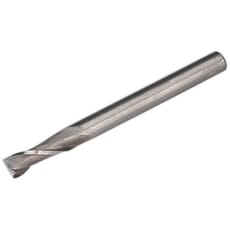
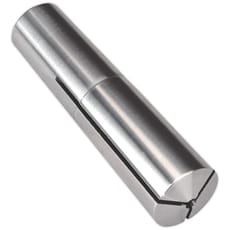
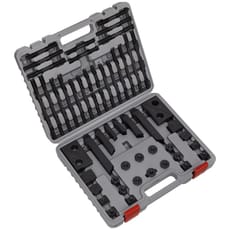
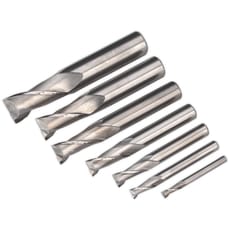
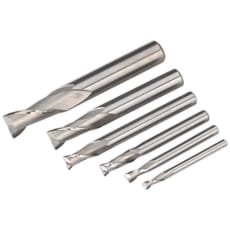
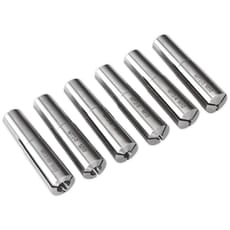
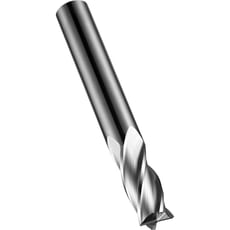
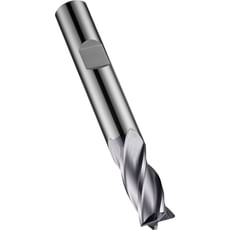
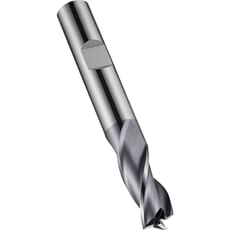
The milling tools category at Tooled-Up.com includes three key subcategories that work together to form a complete milling system. Milling cutters are the cutting implements themselves, available in various geometries including end mills, face mills, slot drills, and ball nose cutters, each designed for specific cutting operations. Milling collets provide the critical interface between the machine spindle and the cutter shank, ensuring concentricity and secure tool holding. Milling clamps comprise the workholding solutions that fix components firmly to the machine table, preventing movement during cutting operations whilst allowing precise positioning.
Modern milling tools are manufactured from high-performance materials including high-speed steel (HSS), carbide, and carbide with advanced coatings such as TiN, TiAlN, or diamond-like carbon (DLC). These coatings significantly extend tool life, reduce friction, and enable higher cutting speeds, making them particularly valuable for production environments where efficiency and consistency are paramount. From manual Bridgeport-style machines through to CNC milling centres, selecting the appropriate tools and accessories ensures optimal performance, dimensional accuracy, and cost-effective material removal rates.
Jargon Buster
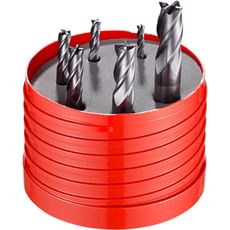
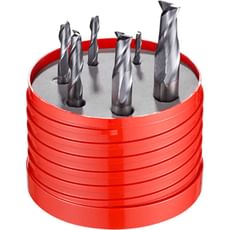
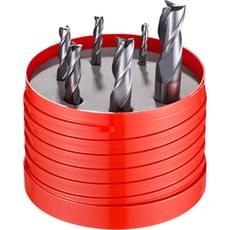
- End Mill: A cutting tool with cutting edges on both the end face and peripheral edges, used for slotting, profiling, and contouring operations. Available in various flute configurations (typically 2, 3, or 4 flutes) depending on material and application.
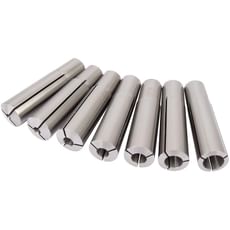
- Collet: A precision holding device that uses spring pressure to grip tool shanks concentrically within the machine spindle. Common types include ER collets, R8 collets, and Morse taper collets, each designed for specific machine systems.
- Flute: The helical groove along the length of a milling cutter that provides chip clearance and creates the cutting edges. Flute count affects chip evacuation, cutting speed, and surface finish quality.
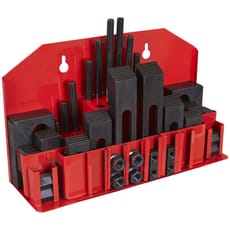
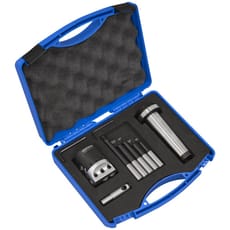
- Clamping Kit: A collection of workholding components including T-slot bolts, step blocks, clamps, and packing pieces used to secure workpieces to the milling machine table during machining operations.
- Runout: The measurement of concentricity error when a tool rotates in the spindle. Excessive runout causes poor surface finish, reduced tool life, and dimensional inaccuracy. Quality collets minimise runout to micron-level tolerances.
- Feed Rate: The speed at which the cutting tool advances into the workpiece, typically measured in millimetres per minute (mm/min). Optimal feed rates depend on material hardness, cutter geometry, and desired surface finish.
Who Uses Milling Tools?
- Machinists and CNC Operators: Professional metalworkers who operate manual and computer-controlled milling machines in production and jobbing workshops
- Tool and Die Makers: Skilled tradespeople who manufacture precision moulds, dies, jigs, and fixtures requiring tight tolerances
- Maintenance Engineers: Industrial technicians who repair and fabricate replacement parts for machinery and production equipment
- Model Engineers and Hobbyists: Enthusiasts who create scale models, engine components, and precision parts using benchtop milling machines
- Automotive and Aerospace Fabricators: Specialists working with aluminium, steel, and exotic alloys to produce custom components and modifications
- Educational Institutions: Technical colleges, universities, and training centres teaching machining skills and manufacturing technology
- Prototyping Workshops: Product development facilities creating one-off components and pre-production samples
- General Engineers: Tradespeople requiring occasional milling capabilities for fabrication, repair, and modification work
How to Choose the Right Milling Tools
Material Compatibility: Select cutter materials appropriate for your workpiece. High-speed steel (HSS) cutters suit softer materials and general-purpose work, whilst solid carbide tools excel with harder steels, stainless steel, and high-production applications. Coated cutters offer extended tool life and higher cutting speeds across various materials.
Shank Size and Collet System: Ensure compatibility between your machine's spindle taper (commonly R8, MT2, MT3, or ER32/ER40 collet systems) and the tool shanks you purchase. Metric shank sizes (6mm, 8mm, 10mm, 12mm) are standard in the UK, though imperial sizes remain common on older machinery. Quality collets from brands stocked at Tooled-Up.com provide the precision necessary for accurate machining.
Cutter Geometry: Match the cutter type to your operation. Two-flute end mills provide excellent chip clearance for slotting aluminium, whilst four-flute cutters offer superior surface finish on steel. Ball nose cutters create contoured surfaces, whilst face mills excel at surfacing large areas. Slot drills can plunge vertically, unlike standard end mills.
Workholding Requirements: Assess your clamping needs based on workpiece size, geometry, and the cutting forces involved. Standard clamping kits with T-slot bolts suit most applications, but irregular shapes may require specialised clamps, angle plates, or machine vices. Adequate clamping prevents workpiece movement that causes dimensional errors and potential safety hazards.
Cutting Parameters: Consider the speed capabilities of your milling machine. Manual machines typically run slower than CNC centres, affecting tool selection. Higher-quality cutters with advanced coatings justify their cost when running at optimal speeds on capable machinery, but represent unnecessary expense on lower-powered equipment.
Popular Accessories
- Collet Sets: Complete sets of precision collets covering common shank sizes, ensuring proper tool holding across your cutter inventory
- Clamping Kits: Comprehensive workholding packages with various clamp styles, step blocks, studs, and nuts for securing diverse workpiece geometries
- Cutting Fluids and Coolants: Lubricants that reduce heat, extend tool life, and improve surface finish during machining operations
- Edge Finders and Centre Finders: Precision tools for accurately locating workpiece edges and centres relative to machine coordinates
- Parallels and Packing: Precision-ground bars used to elevate workpieces to appropriate heights for clamping and machining
- Digital Calipers and Micrometers: Measuring instruments essential for verifying dimensions and maintaining machining accuracy
- Machine Vices: Dedicated workholding devices that provide quick, repeatable clamping for regular production work
- Tool Storage Solutions: Organised storage systems protecting expensive precision cutters from damage whilst ensuring quick identification
Safety Information
Personal Protective Equipment: Always wear appropriate safety glasses or face shields when operating milling machines, as flying chips pose serious eye injury risks. Avoid loose clothing, jewellery, and long hair that could become entangled in rotating machinery. Steel-toed safety footwear protects against dropped workpieces and equipment.
Machine Guarding: Ensure all guards are properly fitted and functional before commencing machining operations. Never operate a milling machine with safety interlocks defeated or guards removed, regardless of operational convenience.
Tool Security: Verify that cutters are properly seated in collets and collets are correctly tightened in the spindle before starting the machine. Inadequate tightening can cause tools to eject at high velocity, presenting extreme danger to operators and bystanders. Regularly inspect collets for wear, damage, or debris that compromises holding power.
Workpiece Security: Confirm workpieces are adequately clamped before engaging the cutter. Test clamp security manually before powering the machine. Inadequate workholding allows workpieces to shift or eject during cutting, potentially causing equipment damage and serious injury.
Emergency Procedures: Familiarise yourself with emergency stop locations and procedures before operating any milling machine. Understand correct shut-down sequences and never leave machinery running unattended.
Frequently Asked Questions
What's the difference between an end mill and a slot drill?
Slot drills (also called slot cutters) can cut vertically downwards like a drill due to their centre-cutting geometry, making them suitable for plunging operations. Standard end mills typically cannot plunge cut and are designed for side cutting and profiling operations only. When purchasing cutters, check specifications to ensure the tool suits your intended application.
How do I know which collet system my milling machine uses?
Check your machine's manual or examine the spindle taper directly. Common UK milling machine spindles include R8 (Bridgeport-style machines), Morse Taper (MT2 or MT3 on smaller machines), and ER collet systems (increasingly popular on modern equipment). The spindle type determines which collets you require, so accurate identification is essential before purchasing.
Can I use the same milling cutters for aluminium and steel?
Whilst many cutters will physically cut both materials, optimal performance requires different specifications. Aluminium benefits from two-flute cutters with larger flute volumes for chip clearance and higher helix angles. Steel typically requires more flutes (three or four) for improved surface finish and different coating types. Using material-specific cutters significantly improves results and extends tool life.
How tight should I fasten milling clamps?
Clamps should be tightened sufficiently to prevent any workpiece movement during cutting, but excessive force can distort thin materials or damage workpiece surfaces. As a general rule, position clamps as close to the cutting area as practical, use appropriate packing to support the workpiece fully, and tighten progressively whilst checking for workpiece distortion. Experience develops a feel for appropriate clamping force.
What causes poor surface finish when milling?
Multiple factors affect surface finish including excessive tool runout (often caused by worn or dirty collets), inappropriate feed rates, incorrect spindle speeds for the material, worn or damaged cutters, inadequate workpiece rigidity, and machine vibration. Systematically address each potential cause, starting with verifying proper tool holding and appropriate cutting parameters for your specific material and machine combination.