

Mini Shovels
Pay in 3 interest-free payments on purchases from £30-2000 with  . Learn more.
 Loading...
End of content
Error - No more pages to load
About Mini Shovels
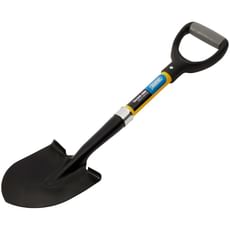
Mini shovels are compact, lightweight digging tools designed for tasks where full-sized spades and shovels would be impractical or cumbersome. Typically featuring blade widths between 100-150mm and overall lengths of 600-900mm, these scaled-down tools excel in confined spaces, raised beds, window boxes, and vehicle storage compartments. The mini shovel category encompasses a diverse range of designs including round point models for general digging, square-edged variants for material transfer, drainage shovels with narrower blades for trench work, and folding options that collapse for convenient storage and transport.
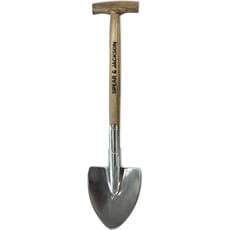
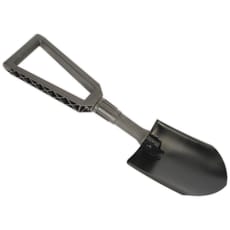
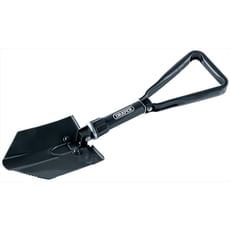
Construction quality varies significantly across the mini shovel market. Premium models from brands like Roughneck and Spear and Jackson feature carbon steel or stainless steel blades that resist corrosion and maintain sharp edges through demanding use. Handle materials range from traditional hardwood through to modern fibreglass and powder-coated steel, each offering distinct advantages in terms of weight, durability and grip characteristics. Folding mini shovels incorporate pivot mechanisms and locking collars that allow the tool to collapse to approximately half its working length, making them particularly popular with campers, caravanners and motorists.
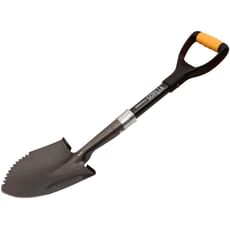
Whether you're working in tight garden spaces, clearing drainage channels, or keeping an emergency digging tool in your vehicle, the selection at Tooled-Up.com includes mini shovels suited to both professional groundwork and domestic gardening applications. Many models incorporate thoughtful design features such as serrated blade edges for cutting through roots, Y-shaped or D-grip handles for improved leverage, and protective pouches with belt loops for hands-free carrying on site.
Jargon Buster
- Round Point: A blade profile with a curved, pointed tip that penetrates soil easily and is ideal for digging holes, breaking up compacted ground, and general excavation work in confined spaces.
- Square Mouth/Square Edge: A flat-edged blade design optimised for scooping, lifting and transferring materials such as soil, gravel or aggregate rather than breaking new ground.
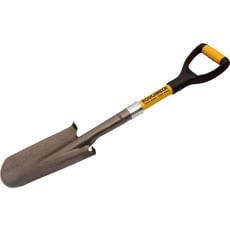
- Drainage Shovel: A mini shovel with a particularly narrow blade (typically 80-120mm wide) specifically designed for working in trenches and tight channels when installing or maintaining drainage systems.
- Collet Fixing: A mechanical fastening system that tightens the handle connection without requiring additional tools, allowing quick assembly and adjustment in the field.
- Fibreglass Shaft: A lightweight, non-conductive handle material that offers excellent strength-to-weight ratio and won't splinter like wood or conduct electricity, making it suitable for work near buried cables.
- Powder Coating: A durable finish applied electrostatically and cured under heat that provides superior corrosion resistance compared to standard paint, extending tool life in wet conditions.
Who Uses Mini Shovels?
- Landscape Gardeners: Working in established beds, around existing plants, and in confined urban gardens where manoeuvrability is essential.
- Groundworkers: Clearing out post holes, inspecting drainage runs, and performing detail work around underground services.
- Utility Companies: Engineers requiring compact digging tools for cable and pipe inspection, minor excavations, and emergency repairs in restricted access locations.
- Vehicle Recovery Operators: Carrying folding shovels for clearing mud, snow or sand when recovering stranded vehicles.
- Camping and Outdoor Enthusiasts: Using folding mini shovels for creating fire pits, levelling tent pitches, and general campsite preparation.
- Allotment Holders: Managing raised beds, working between established crops, and handling tasks where full-sized tools would damage surrounding plants.
- Property Maintenance Teams: Keeping compact digging tools accessible for unblocking drains, minor landscaping repairs, and emergency situations.
- DIY Enthusiasts: Tackling home gardening projects, container planting, and small-scale groundwork without investing in full-sized equipment.
How to Choose the Right Mini Shovels
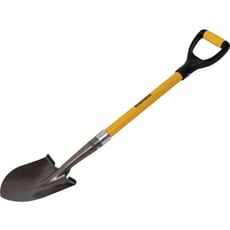
Blade Profile and Purpose: Select round point designs from manufacturers like Roughneck for penetrating compacted soil and digging operations, whilst square-edged models prove more efficient for scooping and material transfer. Drainage shovels with narrow blades suit trench work and confined channels. Consider whether you need serrated edges for cutting through roots and fibrous material.
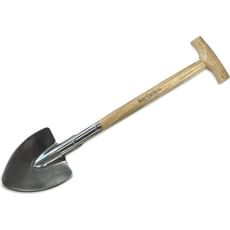
Construction Materials: Carbon steel blades offer excellent durability and edge retention at competitive price points, though they require care to prevent rust. Stainless steel alternatives from brands such as Kew Gardens resist corrosion without maintenance but typically cost more. Handle materials affect both weight and longevity—fibreglass shafts provide strength without conductivity, whilst steel handles on Draper folding models offer maximum durability for demanding applications.
Fixed or Folding Design: Fixed-handle mini shovels deliver maximum rigidity and are ideal when storage space isn't constrained. Folding models from Sealey and Draper collapse for vehicle storage, toolboxes, or carrying in rucksacks, though the pivot mechanisms add weight and potential failure points. Consider how and where you'll store the tool between uses.
Handle Design and Comfort: Y-shaped handles provide superior leverage for heavy digging, whilst D-grips offer better control for precision work. Handle length affects both leverage and storage requirements—longer handles increase digging power but reduce portability. Check that the grip diameter suits your hand size, particularly if you'll be using the tool for extended periods.
Weight Considerations: Mini shovels typically weigh between 500g and 1.5kg. Lighter models reduce fatigue during prolonged use and are preferable for carrying long distances, whilst heavier tools often indicate more robust construction that withstands aggressive use on building sites and commercial landscaping projects.
Storage and Transport: Many folding shovels include canvas or vinyl pouches with belt loops for hands-free carrying. Consider whether you need this portability or if the tool will remain in a van or shed. The collapsed length of folding models varies between 250-400mm, affecting where they'll fit in your existing storage systems.
Popular Accessories
- Tool Pouches and Bags: Canvas or synthetic storage solutions with belt loops and shoulder straps for carrying multiple hand tools on site.
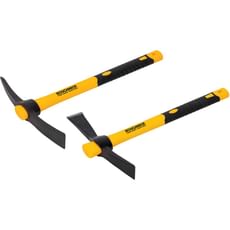
- Mattocks and Picks: Complementary digging tools like the Roughneck Micro Pick & Mattock Set for breaking hard ground before shovelling.
- Garden Trowels and Hand Forks: Smaller hand tools for detail work alongside mini shovel excavations in tight spaces.
- Work Gloves: Protective handwear from brands like Portwest and Scruffs to prevent blisters during extended digging sessions.
- Blade Sharpeners: Files and sharpening tools to maintain cutting edges on serrated and plain blade mini shovels.
- Rust Prevention Products: Oils and protective sprays to maintain carbon steel blades between uses, particularly important in wet conditions.
- Kneeling Pads: Foam or gel cushions for comfortable working positions when using mini shovels in garden beds and confined spaces.
Safety Information
Always inspect folding mini shovels before use to ensure pivot mechanisms and locking collars are properly secured—loose connections can cause the handle to collapse unexpectedly during digging. When working near underground services, remember that whilst fibreglass handles don't conduct electricity, metal blades do; always consult utility plans and use cable detection equipment before excavating. Wear appropriate work gloves to prevent blisters and maintain secure grip, particularly when working in wet conditions where handles become slippery.
Mini shovels remain sharp tools that demand respect—store them with blade guards or in protective pouches to prevent accidental cuts during transport. When digging, maintain stable footing and avoid overreaching, as the compact size can tempt users into awkward positions that risk back strain. Clear the work area of trip hazards, and when working in trenches or excavations, be aware of HSE guidance regarding safe working depths and the need for shoring or battering of trench sides.
Frequently Asked Questions
What's the difference between a mini shovel and a garden trowel?
Mini shovels typically measure 600-900mm in overall length with blade widths of 100-150mm, designed for two-handed use and capable of shifting significant volumes of soil. Garden trowels are smaller hand tools around 300mm long used single-handed for planting and detail work. Tooled-Up stocks both categories for different scales of gardening and groundwork tasks.
Are folding mini shovels as strong as fixed-handle versions?
Quality folding models from manufacturers like Draper and Sealey incorporate robust pivot mechanisms and locking collars that provide adequate strength for typical digging tasks. However, fixed-handle mini shovels eliminate potential failure points and generally withstand more aggressive levering and prying. Choose folding designs where portability is essential, and fixed versions for maximum durability on demanding sites.
Can mini shovels cut through roots?
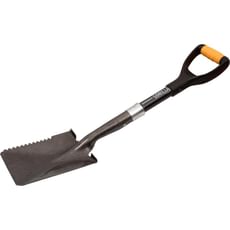
Models with serrated blade edges, such as certain Roughneck variants, can slice through small to medium roots effectively. However, mini shovels aren't designed for cutting large roots—use dedicated root saws or loppers for substantial obstacles. The compact size does allow precise work around root systems without damaging surrounding growth.
How do I prevent rust on carbon steel mini shovels?
Clean soil and debris from the blade after each use, then dry thoroughly with a cloth. Apply a light coating of oil to carbon steel surfaces before storage. Many professionals keep a jar of oily sand for plunging tools into, which simultaneously cleans and protects. Stainless steel alternatives require less maintenance if corrosion prevention is a concern.
What length mini shovel should I choose?
Consider your primary application: shorter models (600-700mm) suit very confined spaces, vehicle storage, and rucksack carrying, whilst longer versions (800-900mm) provide better leverage for actual digging work. If you'll be using the tool from a standing position frequently, longer handles reduce back strain. For primarily crouched or kneeling work in garden beds, compact lengths offer better control.