

Mitre Blocks & Boxes
Pay in 3 interest-free payments on purchases from £30-2000 with  . Learn more.
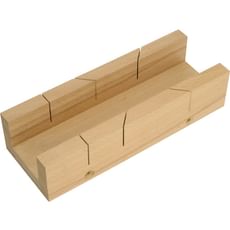
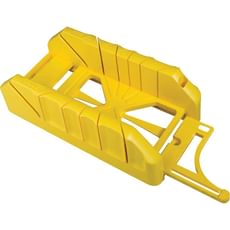
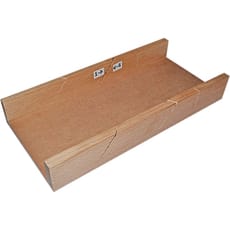
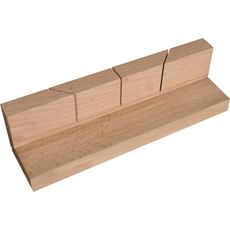




 Loading...
End of content
Error - No more pages to load
About Mitre Blocks & Boxes
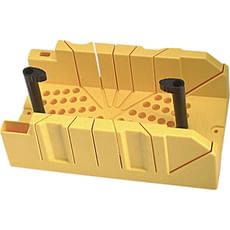
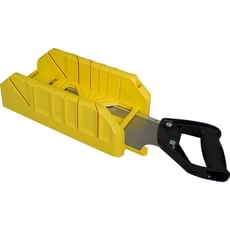
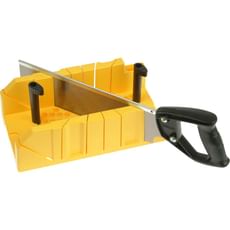
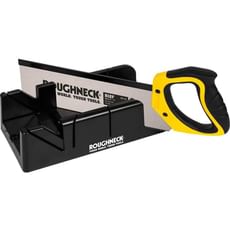
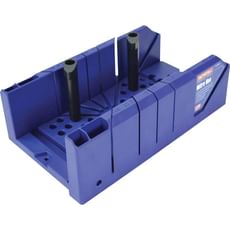
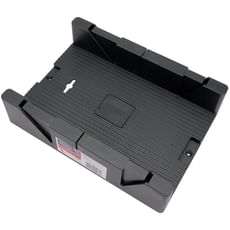
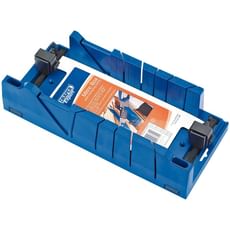
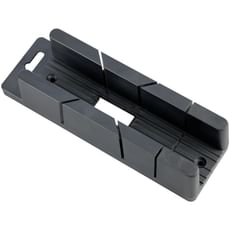
Mitre blocks and boxes are essential precision cutting guides designed to help woodworkers, joiners and DIY enthusiasts achieve perfectly angled cuts every time. These simple yet effective tools feature pre-cut slots at common angles—typically 90°, 45° and 22.5°—which guide a handsaw blade through the material without deviation. The slots act as a channel for the saw, preventing it from wandering off course and ensuring consistent, professional results even for those with less experience. Tooled-Up.com stocks a comprehensive range of mitre blocks and boxes suitable for both professional tradespeople and home workshop enthusiasts.
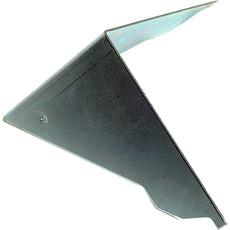
Traditional mitre blocks are compact, open-topped devices ideal for smaller cutting tasks, whilst mitre boxes feature three sides that cradle the workpiece more securely during cutting. Both variants are predominantly used for cross-cutting narrow sections of timber such as skirting boards, architrave, picture frames and coving, though they're equally capable of cutting plastic pipes, metal mouldings and other materials. The range at Tooled-Up includes specialist versions for specific applications, including dedicated coving mitres and skirting mitres that accommodate the profiles of these common architectural elements.
Whilst electric mitre saws and sliding compound mitre saws have become increasingly popular on building sites and in professional workshops, hand-operated mitre blocks and boxes remain invaluable for their portability, affordability and quiet operation. They require no power source, produce minimal dust compared to their powered counterparts, and are perfect for quick cuts where setting up a larger saw would be impractical. For fitting work in occupied properties or precision joinery tasks, these traditional tools continue to offer distinct advantages.
Jargon Buster
- Mitre Joint: An angled joint typically cut at 45° so that two pieces meet at a right angle, commonly seen in picture frames and door architraves where a neat, seamless corner is required.
- Tenon Saw: A fine-toothed backsaw with a rigid spine along the top edge, specifically designed for precise cutting work and the ideal companion to mitre blocks and boxes.
- Kerf: The width of material removed by the saw blade during cutting. Mitre block slots must be wide enough to accommodate the kerf of your chosen saw without binding.
- Registration Face: The base or side surface against which the workpiece is positioned to ensure accurate alignment before cutting, critical for achieving consistent angles.
- Cross Cut: A cut made perpendicular to the grain of timber, as opposed to rip cuts which run parallel to the grain. Mitre blocks are primarily designed for cross-cutting operations.
- Compound Angle: A cut involving two angles simultaneously—such as cutting crown moulding that tilts away from both the wall and ceiling. Some advanced mitre boxes can accommodate compound cuts.
Who Uses Mitre Blocks & Boxes?
- Joiners and Carpenters: For first and second fix work including architrave, skirting and trim installation where precise mitres are essential
- Picture Framers: Creating perfectly matched corner joints for frames of all sizes
- Kitchen and Bathroom Fitters: Cutting quadrant beading, cornice and finishing trim to professional standards
- Plasterers: Trimming coving and decorative plaster mouldings to fit corners accurately
- Plumbers: Making angled cuts in plastic waste pipes and overflow tubing
- Shopfitters: Installing display trim, edging and decorative mouldings with precision
- Set Designers and Model Makers: Creating accurate scale structures requiring precise angular joins
- DIY Enthusiasts: Tackling home improvement projects involving skirting, architrave or decorative trim installation
- Furniture Restorers: Replacing damaged mouldings and beading on antique pieces
How to Choose the Right Mitre Blocks & Boxes
Material Construction: Mitre blocks and boxes are available in plastic, wood, aluminium and steel. Plastic models offer good value for occasional DIY use, whilst metal versions from brands like Stanley provide greater durability and accuracy retention for professional applications. Wooden mitre boxes suit traditional craftspeople but may wear over time.
Size and Capacity: Consider the maximum width and depth of material you'll typically cut. Skirting mitres need greater depth capacity than standard boxes, whilst coving mitres require specific profile accommodation. Measure your most common workpieces before purchasing to ensure compatibility.
Angle Options: Basic models offer 45° and 90° cuts, which suit most general joinery work. More versatile boxes include 22.5° slots for octagonal frames and bay window angles. Some adjustable versions available from Tooled-Up allow custom angle settings for specialist applications.
Clamping and Stability: Look for integrated clamps or holddown mechanisms that secure workpieces during cutting, preventing movement that could compromise accuracy. A substantial base with non-slip feet or pre-drilled mounting holes helps maintain stability on the workbench.
Slot Precision: The quality of the pre-cut slots directly affects cutting accuracy. Machined metal slots maintain tighter tolerances than moulded plastic, resulting in cleaner cuts with less blade deflection. Check that slots are deep enough for your saw blade whilst minimising lateral play.
Specialist vs. Universal: Dedicated coving mitres and skirting mitres provide optimised support for these specific profiles, reducing the risk of workpiece movement. However, a good quality universal mitre box offers greater versatility for varied tasks.
Popular Accessories
- Tenon Saws: Fine-toothed backsaws designed specifically for precision cutting work with mitre blocks—brands like Bahco and Irwin offer excellent options
- Quick Clamps and G-Clamps: Secure workpieces firmly to the mitre box base for safer, more accurate cutting
- Combination Squares: Verify angle accuracy and mark cutting lines on workpieces before positioning
- Bench Hooks: Complement mitre blocks for straight cross-cutting operations at the workbench
- Marking Knives: Score precise cutting lines that guide saw placement better than pencil marks
- Wood Files and Sandpaper: Refine cut edges to perfect the fit of mitred joints
- PVA Wood Glue: Secure mitred joints once cut and test-fitted
- Panel Pins and Pin Hammers: Fix mitred trim and mouldings in position
Frequently Asked Questions
Can I use a mitre block with any handsaw?
Whilst you can use various handsaws, a tenon saw or backsaw provides the best results due to their rigid spine and fine teeth. The saw blade must fit comfortably within the mitre block's slots without excessive play—typically blades between 250mm and 350mm long work well. Panel saws and rip saws are too coarse and flexible for precision mitre cutting.
What's the difference between a mitre block and a mitre box?
A mitre block is an open-topped, usually single-sided guide, whilst a mitre box has three sides that cradle the workpiece from both sides and underneath. Mitre boxes provide better workpiece support and more consistent accuracy, particularly for longer pieces, though mitre blocks are more compact and economical for simpler tasks.
How do I maintain accuracy in my mitre block over time?
The saw slots can widen with repeated use, reducing cutting precision. Keep your saw blade sharp to minimise lateral pressure during cutting. Store your mitre block in a dry location to prevent warping or corrosion. Replace plastic models when slots become noticeably worn—metal versions last considerably longer but eventually require replacement too. Clean sawdust from slots regularly to prevent build-up affecting blade tracking.
Can mitre blocks cut materials other than wood?
Yes, mitre blocks and boxes work well for cutting plastic pipes, metal mouldings, plastic architrave and similar materials. Use an appropriate fine-toothed saw for the material—a junior hacksaw for metal pipes or plastic tubing. Be aware that cutting abrasive materials may accelerate slot wear, so consider dedicating an inexpensive mitre block for non-wood applications if you frequently work with mixed materials.
Do I need a mitre block if I already own an electric mitre saw?
Many professionals keep both. Mitre blocks excel for quick cuts where setting up a powered saw isn't practical, working in occupied properties where noise is a concern, cutting very small pieces safely, and site work without access to 240v power. They're also significantly more portable for off-site installations and fitting work where carrying heavy equipment up stairs or ladders would be impractical.