

Mixers
Pay in 3 interest-free payments on purchases from £30-2000 with  . Learn more.
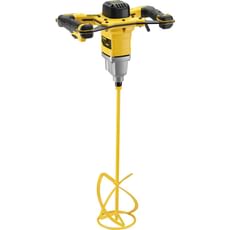
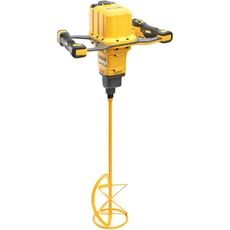
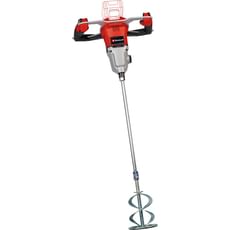
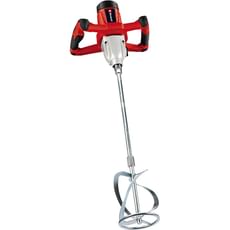
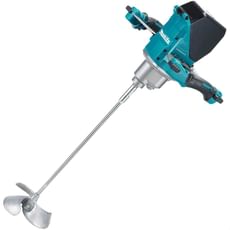
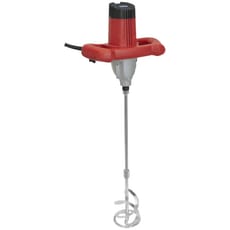
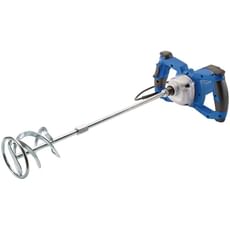
Einhell Professional TP-MX 18-2 Li BL 18v Cordless Brushless Paddle Mixer
in stock
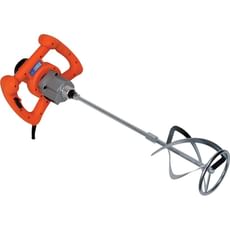
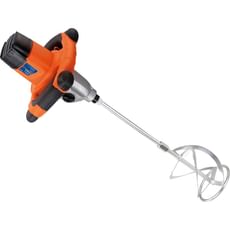
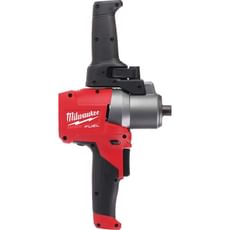
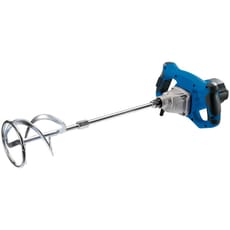
 Loading...
End of content
Error - No more pages to load
About Mixers
Professional mixing equipment is indispensable for tradespeople and serious DIY enthusiasts working with materials including paint, plaster, mortar, cement, tile adhesive, screed, render, and numerous other building compounds. Whether you're a plasterer preparing smooth render, a decorator mixing large volumes of emulsion, or a tiler blending adhesive to the perfect consistency, the right mixer ensures lump-free results, saves considerable time, and reduces physical strain compared to manual mixing methods.
The mixing equipment available at Tooled-Up.com ranges from lightweight cordless paddle mixers perfect for site work and smaller batches, through to heavy-duty corded models engineered for continuous professional use with demanding materials. Modern cordless technology has transformed portable mixing, with brushless motors delivering impressive power and runtime, whilst traditional 240v corded mixers remain the choice for sustained high-volume work where uninterrupted power is essential.
Choosing between cordless and corded, understanding motor power requirements, and selecting appropriate mixing paddles for different materials are key considerations. Paint mixers operate at higher speeds for low-viscosity liquids, whilst plaster and mortar mixers require robust motors with high torque operating at lower speeds to handle thick, heavy compounds without stalling. Variable speed control adds versatility, allowing a single tool to tackle everything from emulsion paint through to dense screed and concrete repair compounds.
Jargon Buster
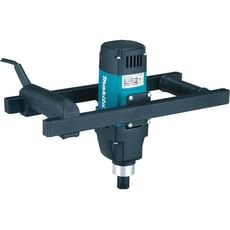
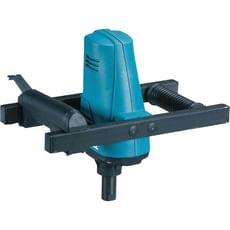
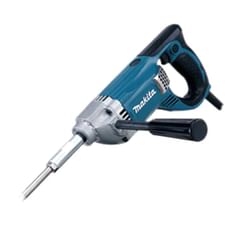
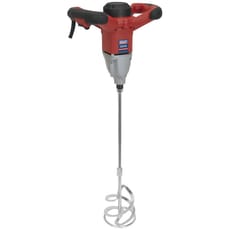
- Paddle Mixer: A dedicated power tool featuring a long shaft with interchangeable paddle or whisk attachments designed specifically for mixing building materials. Available in both 240v corded and battery-powered cordless formats with power outputs typically ranging from 1000W to 1800W.
- RPM (Revolutions Per Minute): The rotational speed of the mixing paddle. Thick materials like plaster and mortar require slower speeds (300-600 RPM) to prevent air entrapment, whilst paint and thin compounds benefit from higher speeds (600-900 RPM) for thorough blending.
- Variable Speed Control: Allows adjustment of mixing speed to suit different material viscosities. Essential for preventing splashing with liquids and ensuring proper incorporation of powdered compounds. Many professional models offer electronic speed control for precise adjustment.
- M14 Thread: The standardised thread size for mixer paddle attachments throughout the UK and Europe, ensuring compatibility between different brands. This threading also accepts auxiliary handles for improved two-handed control during demanding mixing tasks.
- Soft Start: A motor control feature that gradually increases speed when triggered, preventing sudden torque reaction and material spillage. Particularly valuable when starting to mix full buckets of heavy materials where sudden rotation could wrench the tool from your grip.
- Brushless Motor: Modern motor technology found in premium cordless mixers offering greater efficiency, longer runtime per battery charge, extended tool lifespan, and higher power output compared to traditional brushed motors.
Who Uses Mixers?
Professional mixing equipment is essential across numerous trades and applications:
- Plasterers: Mixing plaster, render, bonding compounds, finishing materials, and textured coatings to achieve the perfect workable consistency
- Painters and Decorators: Blending emulsion, gloss, masonry paint, primers, colour tints, and textured coatings for uniform coverage and colour matching
- Tilers: Preparing tile adhesive, flexible adhesive, grout, and self-levelling compounds for floor and wall installation projects
- Bricklayers and Blocklayers: Mixing mortar, cement, pointing compounds, and repair mortars for masonry construction work
- General Builders: Handling diverse materials from concrete repair compounds and waterproofing slurries to rapid-setting cements and foundation mixes
- Dry Liners: Preparing jointing compounds, finishing plaster, and adhesives for plasterboard installation and finishing
- Groundworkers: Mixing screed, concrete, heavy-duty repair mortars, and levelling compounds for foundations and floor preparation
- Resin Flooring Specialists: Blending epoxy resins, polyurethane compounds, and self-levelling floor systems requiring precise mixing ratios
- Maintenance Teams: Preparing various repair materials, patching compounds, and protective coatings for building maintenance
- DIY Enthusiasts: Tackling home improvement projects involving decorating, plastering, tiling, and general building work
How to Choose the Right Mixers
Power Source Selection: Cordless paddle mixers excel in portability, making them ideal for site work, refurbishment projects, working across multiple rooms, and locations without convenient mains power. They're perfect for tradespeople who need to move frequently or work at height. Corded 240v mixers provide consistent power delivery and unlimited runtime, making them superior for workshop environments, high-volume mixing throughout the day, and the heaviest materials where sustained torque is essential.
Motor Power and Torque: Match motor output to your typical materials. Paint mixers generally require 1000-1400W motors, whilst plaster, mortar, and screed mixers benefit from 1400-1800W for handling thick, demanding compounds. Higher torque ratings ensure the mixer maintains consistent speed under load without stalling, particularly important when working with dense materials or large batches. Professional-grade models from Makita, DeWalt, and Milwaukee feature robust gearboxes designed for sustained torque delivery.
Speed Range and Control: Variable speed functionality is crucial for versatility across different materials. Paint and thin compounds require higher speeds (600-900 RPM) for thorough blending, whilst plaster, adhesive, and mortar need lower speeds (300-600 RPM) to minimise air incorporation and prevent splashing. Models with electronic speed control maintain consistent rotation under varying loads, whilst two-speed variants offer a cost-effective compromise between versatility and simplicity.
Mixing Capacity: Consider your typical batch sizes. Compact mixers handle 30-50kg batches, suitable for decorators and light trade applications. Medium-duty models manage 50-80kg, whilst heavy-duty professional mixers tackle 80-120kg batches required by plasterers and groundworkers on larger projects. The physical dimensions of buckets and mixing vessels you'll use also influence the shaft length required.
Handle Design and Ergonomics: Mixing demands sustained physical control, particularly with thick materials generating significant torque reaction. Look for models with well-positioned auxiliary handle mounts (typically M14 thread), rubberised grips, and balanced weight distribution. Side handles dramatically improve control and reduce operator fatigue during extended mixing sessions. Some professional models feature rotating rear handles allowing comfortable operation at different angles.
Build Quality and Durability: Premium brands like Festool, Milwaukee, and Bosch Professional offer metal gearbox housings, sealed bearings, and effective dust protection essential for site environments. Budget options suit occasional DIY use, but professionals mixing daily benefit significantly from investing in tools engineered for commercial durability, backed by comprehensive warranties and readily available service support throughout the UK.
Popular Accessories
- Mixing Paddles and Whisks: Spiral or helical paddles optimised for plaster and render, flat paddles for heavy mortar and concrete, cage whisks designed specifically for paint and coatings, and universal paddles offering reasonable performance across multiple materials. Available in various diameters to suit different batch sizes and bucket widths.
- Extended Mixing Shafts: Longer shafts enabling mixing in deeper containers, large vessels, or directly in larger buckets, whilst shorter shafts provide better manoeuvrability for compact mixing tasks and smaller batches.
- Auxiliary Side Handles: Additional grips attaching via the M14 thread providing crucial two-handed control when mixing heavy materials or large volumes, significantly reducing physical strain and improving mixing accuracy.
- Professional Mixing Buckets: Purpose-designed containers in various capacities featuring graduated measurement markings, reinforced construction to withstand power mixing stresses, and pouring spouts for controlled material transfer.
- Battery Packs and Fast Chargers: For cordless models, spare high-capacity batteries ensure uninterrupted productivity when mixing multiple batches throughout the day. Rapid chargers minimise downtime between charges.
- Paddle Cleaning Tools: Scrapers and brushes designed for efficient removal of dried material from paddles and shafts, extending accessory lifespan and maintaining optimal mixing performance.
Safety Information
Mixing equipment presents specific hazards requiring appropriate precautions. Always wear suitable personal protective equipment including safety glasses or goggles protecting against material splashes, dust masks conforming to relevant standards when mixing powdered compounds, and protective gloves when handling materials and during cleaning. Ensure adequate ventilation when working indoors, as many building materials release dust particles and potentially harmful vapours during mixing.
Maintain a secure two-handed grip throughout operation, particularly when starting or when encountering resistance in thick materials. The torque reaction from powerful mixers can cause sudden tool rotation and loss of control if not properly anticipated. Always ensure the mixer has completely stopped before inserting or removing paddles, and never reach into mixing containers whilst the tool remains connected to 240v power or contains a charged battery.
When operating corded mixers, verify cables are undamaged and connections comply with current UK electrical safety standards. Use RCD (residual current device) protection rated to 30mA, particularly on construction sites or in damp environments as recommended by HSE guidance. Inspect mixing paddles regularly for cracks, bends, or excessive wear, as damaged paddles can fracture during use, creating projectile hazards. Follow manual handling guidelines when lifting and pouring mixed materials to prevent back strain and musculoskeletal injuries.
Be aware of material-specific hazards including cement's alkaline properties causing skin burns, solvent vapours from certain adhesives, and dust from powdered compounds. Consult material safety data sheets and follow COSHH regulations for the specific products being mixed. Ensure loose clothing, jewellery, and long hair are secured to prevent entanglement in rotating components.
Frequently Asked Questions
What's the difference between paint mixers and plaster mixers?
Paint mixers are typically lighter tools engineered for low-viscosity liquids, operating at higher speeds (600-900 RPM) with motors around 1000-1400W. Plaster mixers feature more robust motors (1400W+), operate at lower speeds (300-600 RPM) preventing air entrapment in thick materials, and deliver higher torque for handling demanding compounds without stalling. Many professional paddle mixers from brands like Makita and Milwaukee offer variable speed control, making them versatile enough for both applications, whilst dedicated paint mixers suit decorators working exclusively with coatings.
Can I use a standard cordless drill for mixing?
Whilst drills can handle very light tasks like small paint quantities, they're not engineered for the sustained torque loads, side forces, and heat generated when mixing building materials properly. Using a drill for genuine mixing work risks damaging the chuck mechanism, overheating and burning out the motor, and potentially causing injury due to inadequate torque control and single-handle design. Purpose-built mixers available at Tooled-Up feature the power output, gearing ratios, handle configurations, and cooling systems necessary for safe, effective mixing of construction materials.
Which paddle type should I use for different materials?
Spiral or helical paddles work optimally for plaster, render, and lightweight levelling compounds, moving material efficiently with minimal air incorporation. Flat or rectangular paddles suit heavy mortars, concrete, thick adhesives, and screed. Cage whisks are specifically designed for paint, emulsion, and liquid coatings, providing thorough blending without excessive aeration. Universal paddles offer reasonable compromise performance across multiple materials. Many professional tradespeople maintain several paddle types, as using the correct design significantly improves mixing efficiency, reduces mixing time, and enhances final material quality.
How do I prevent lumps when mixing plaster or mortar?
Always add powder gradually to clean water, never water to powder, which causes immediate clumping. Start mixing at low speed and increase progressively. Keep the paddle fully submerged throughout to prevent air incorporation and surface splashing. Move the mixer systematically around the bucket in circular patterns whilst mixing, ensuring material from the bottom and sides is thoroughly incorporated. For optimal results, allow mixed material to stand for 1-2 minutes, then remix briefly before use to eliminate any remaining lumps and achieve consistent workability.
Are cordless mixers powerful enough for professional daily use?
Modern cordless paddle mixers featuring brushless motors from professional manufacturers like Milwaukee, DeWalt, and Bosch deliver impressive performance comparable to corded models for most applications. They excel in site work, smaller to medium batches, and situations demanding mobility without trailing cables. High-capacity batteries provide sufficient runtime for typical daily mixing requirements. However, for sustained high-volume mixing of extremely thick materials throughout entire working days, or mixing batches exceeding 80kg continuously, corded 240v models still offer advantages in unlimited runtime and consistent maximum power delivery without battery management considerations.