
Mixing Bottles

Pay in 3 interest-free payments on purchases from £20-£3000 with  . Learn more.
Loading...
End of content
Error - No more pages to load
About Mixing Bottles
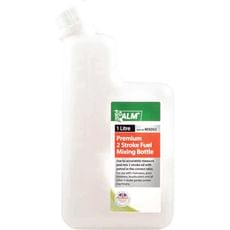
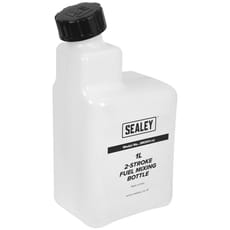
Mixing bottles are essential tools for anyone operating 2-stroke petrol engines, providing a safe and accurate method for combining petrol and 2-stroke oil in the correct ratios. These specialised containers feature clearly marked measurement graduations that eliminate guesswork and ensure your engine receives the precise fuel mixture it requires for optimal performance and longevity. Whether you're maintaining chainsaws, strimmers, hedge trimmers, leaf blowers, or other 2-stroke garden machinery, a quality mixing bottle is an indispensable piece of kit.
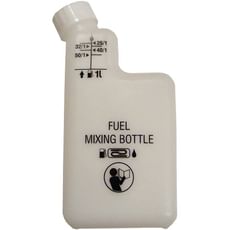
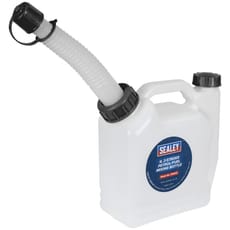
The mixing bottles available from Tooled-Up.com typically feature capacities of 1 litre or larger, with transparent or translucent construction that allows you to see the fuel level and verify correct mixing. Many models include multiple ratio markings on the side – commonly 25:1, 40:1, and 50:1 – to accommodate different engine specifications. Premium versions may incorporate flexible spouts for easier pouring, anti-glug vents for smoother flow, and wide-mouth openings for simplified filling and cleaning.
Quality mixing bottles are manufactured from fuel-resistant plastics that won't degrade when exposed to petrol or oil, ensuring durability and safe long-term use. The Tooled-Up range includes trusted brands such as ALM, Sealey, Draper, and Handy, each offering reliable solutions for both professional tradespeople and DIY users who demand accuracy and convenience when preparing 2-stroke fuel mixtures.
Jargon Buster
- 2-Stroke Engine: A type of internal combustion engine that requires oil to be mixed directly with petrol for lubrication, unlike 4-stroke engines which have separate oil reservoirs. Common in lightweight garden machinery and power equipment.
- Mixing Ratio: The proportion of petrol to oil required for a specific engine, expressed as a ratio such as 50:1 (50 parts petrol to 1 part oil). Different engines require different ratios, so always consult your manufacturer's specifications.
- Fuel-Resistant Plastic: Specialised polymer materials designed to withstand prolonged contact with petrol and oil without degrading, cracking, or becoming brittle.
- Measurement Graduations: The clearly marked lines and numbers on the side of a mixing bottle that indicate volumes for both petrol and oil, allowing accurate measurement without additional measuring equipment.
- Anti-Glug Vent: A secondary opening or valve that allows air to enter the bottle as liquid pours out, preventing the glugging effect and ensuring smooth, controlled pouring.
- Flexible Spout: A bendable pouring extension that allows precise fuel delivery into awkward or recessed filler caps without spillage.
Who Uses Mixing Bottles?
- Groundskeepers and Gardeners: Professional landscapers who maintain multiple 2-stroke tools including strimmers, hedge cutters, and leaf blowers
- Arborists and Tree Surgeons: Specialists who rely on chainsaws and other 2-stroke equipment for tree maintenance and removal
- Agricultural Workers: Farm staff operating 2-stroke machinery for crop maintenance and land management
- Park and Estate Maintenance Teams: Council workers and private estate staff maintaining public and private green spaces
- Construction Workers: Tradespeople using 2-stroke powered concrete cutters, compactors, and other site equipment
- DIY Enthusiasts and Homeowners: Garden owners maintaining their own lawns, hedges, and outdoor spaces with 2-stroke powered tools
- Motorsport Enthusiasts: Users of 2-stroke motorcycles, go-karts, and model engines requiring precise fuel mixing
- Marine Operators: Boat owners with 2-stroke outboard engines requiring correctly mixed fuel
How to Choose the Right Mixing Bottles
Capacity Requirements: Consider how much fuel you typically prepare. A 1-litre bottle suits occasional users and small jobs, whilst 2-litre or 5-litre versions are more practical for professional users running multiple machines throughout the day.
Ratio Markings: Verify that the bottle includes the specific mixing ratios required by your equipment. Most modern 2-stroke engines use 50:1, but older equipment may require 25:1 or 40:1. Some bottles feature all common ratios, whilst others may be limited.
Material Quality: Look for bottles manufactured from high-quality, fuel-resistant plastics. Cheaper alternatives may degrade over time, leading to cracks, leaks, or measurement markings that fade and become illegible.
Pouring Features: Consider whether you need a flexible spout for awkward filler caps, or whether a standard fixed spout will suffice. Anti-glug vents are valuable features that prevent spillage and improve pouring control.
Transparency: Clear or translucent construction allows you to verify fuel levels and check that oil and petrol have mixed properly, which is particularly important when using coloured 2-stroke oils.
Storage and Handling: Check for features like comfortable grip sections, stable bases that won't tip easily, and caps that seal securely to prevent evaporation and spillage during storage and transport.
Popular Accessories
- 2-Stroke Oil: High-quality synthetic or mineral oils specifically formulated for mixing with petrol in 2-stroke engines
- Fuel Cans: Jerry cans and fuel storage containers in various capacities for safely storing and transporting petrol
- Funnels: Wide-mouth funnels with filters to prevent debris entering your mixing bottle or fuel tank
- Fuel Spouts: Replacement or additional pouring spouts for controlled fuel delivery
- Fuel Additives: Stabilisers and conditioners that prevent fuel degradation during storage
- Starter Kits: Complete sets including mixing bottles, fuel cans, and initial oil supplies for new 2-stroke equipment owners
- Measuring Jugs: Precision measuring equipment for users preparing large quantities of fuel mixture
- Storage Cabinets: Appropriate storage solutions for safely keeping flammable liquids on-site
Safety Information
Flammable Liquid Handling: Always use mixing bottles in well-ventilated areas away from ignition sources. Petrol and 2-stroke mixtures are highly flammable and produce harmful vapours. Never mix fuels near naked flames, sparks, or hot surfaces.
Storage Requirements: Store mixed fuel in appropriate containers away from heat, direct sunlight, and living areas. Keep all fuel products locked away from children and animals. Follow COSHH regulations when storing fuels in workplace environments.
Personal Protection: Avoid skin contact with petrol and 2-stroke oil. Wear appropriate gloves when mixing fuels, and wash hands thoroughly afterwards. If fuel contacts skin, wash immediately with soap and water.
Mixture Shelf Life: 2-stroke fuel mixtures degrade over time. Use mixed fuel within 30 days for optimal engine performance, or add fuel stabiliser for extended storage. Label containers with mixing dates to track freshness.
Environmental Considerations: Never dispose of old fuel mixtures down drains or onto the ground. Contact your local authority or waste disposal centre for proper hazardous waste disposal procedures.
Equipment Compatibility: Always verify your engine manufacturer's recommended mixing ratio before preparing fuel. Using incorrect ratios can cause engine damage, excessive smoke, poor performance, or complete engine failure.
Frequently Asked Questions
What mixing ratio should I use for my 2-stroke engine?
The correct ratio depends on your specific engine and manufacturer's recommendations, which you'll find in your equipment manual. Modern 2-stroke engines typically require 50:1 (100ml oil per 5 litres petrol), whilst older models may need 40:1 or 25:1. Using the wrong ratio can damage your engine, so always check before mixing.
Can I store pre-mixed 2-stroke fuel?
Yes, but with limitations. Pre-mixed 2-stroke fuel should be used within 30 days for best results, as petrol degrades over time and can cause starting problems and poor performance. If you need to store fuel longer, add a fuel stabiliser and keep it in a sealed container away from heat and sunlight. Always label containers with the mixing date and ratio.
Do I need different mixing bottles for different ratios?
No – most quality mixing bottles feature multiple ratio markings (typically 25:1, 40:1, and 50:1) on the same container, allowing you to mix different ratios as needed. Simply follow the appropriate measurement lines for your required ratio. This versatility makes them suitable for users maintaining multiple machines with different specifications.
Can I use a regular container instead of a dedicated mixing bottle?
Whilst technically possible, it's not recommended. Dedicated mixing bottles are manufactured from fuel-resistant materials with accurate measurement graduations specifically designed for this purpose. Regular containers may not be fuel-safe, lack accurate measurements, and could degrade when exposed to petrol, potentially causing leaks or contamination. The modest cost of a proper mixing bottle is worthwhile for safety and accuracy.
How do I clean my mixing bottle?
Empty any remaining fuel completely and allow the bottle to air in a well-ventilated area until petrol vapours have dissipated. Rinse with a small amount of fresh petrol, swirl thoroughly, and dispose of the rinse properly. Allow to dry completely before storage. Never use water to clean mixing bottles, as water contamination in 2-stroke fuel will damage engines. Regular cleaning prevents residue build-up that can affect measurement accuracy.