

Mixing Paddles

Pay in 3 interest-free payments on purchases from £20-£3000 with  . Learn more.
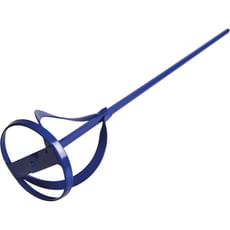
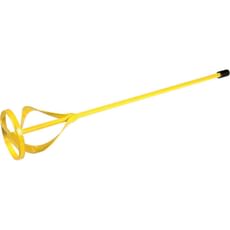
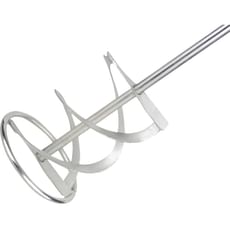
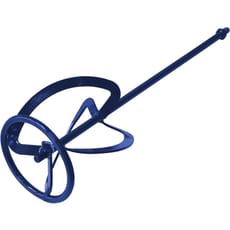
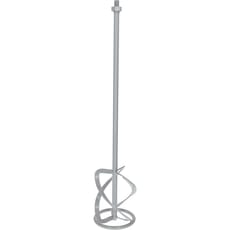
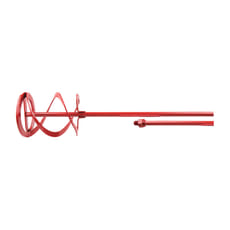
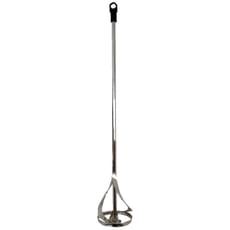
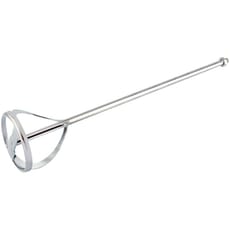
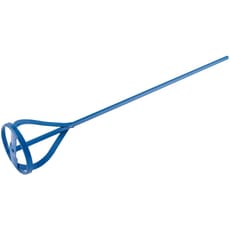
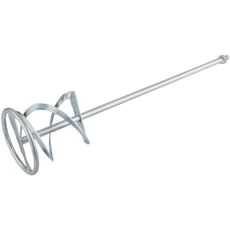
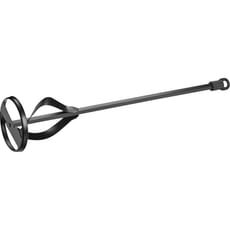
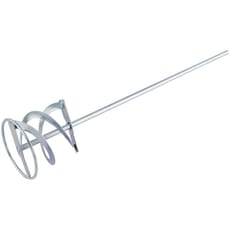
 Loading...
End of content
Error - No more pages to load
About Mixing Paddles
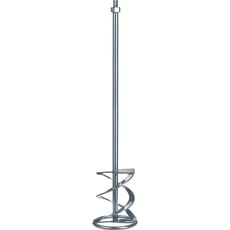
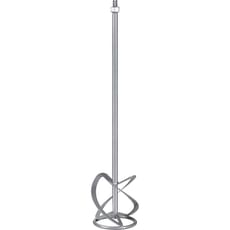
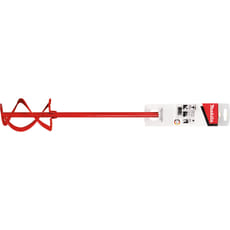
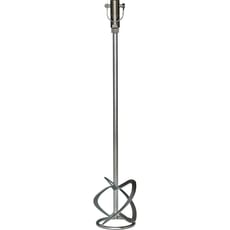
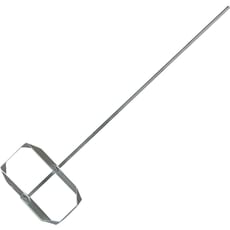
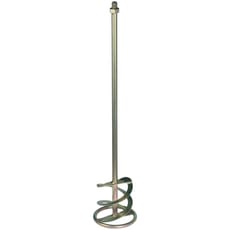
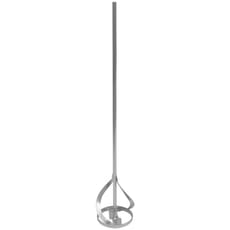
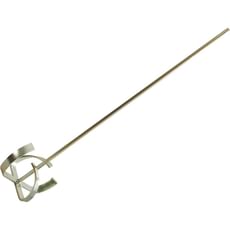
Mixing paddles are essential power tool accessories designed to transform standard drills and dedicated mixing machines into efficient blending tools for a wide range of construction materials. From thick plaster and mortar to paint, grout, and drywall compounds, these heavy-duty attachments make light work of what would otherwise be physically demanding manual mixing tasks. Available in various designs including spiral, helical, and eggbeater configurations, mixing paddles are engineered to create thorough, lump-free mixtures whilst minimising splatter and reducing strain on both the operator and the power tool.
The selection at Tooled-Up.com includes mixing paddles from trusted brands such as DeWalt, Makita, Draper, Faithfull, and Marshalltown, each offering specialised designs for different materials and consistency requirements. Most paddles feature either M14 threaded connections for dedicated mixing drills or hex shank fittings for use with standard 240v drills and cordless tools. The paddle design significantly affects mixing performance – open spiral patterns work best for lighter materials like paint and emulsion, whilst robust cage designs excel at breaking down heavy compounds like tile adhesive and render.
Professional-grade mixing paddles are manufactured from durable carbon steel, often with corrosion-resistant plating or galvanised finishes to withstand the harsh alkaline environments created by cement-based materials. Length and diameter variations cater to different bucket sizes and batch quantities, with longer paddles suited to large mixing buckets commonly used on commercial sites. Many professional tradespeople maintain multiple paddles in their toolkit, each dedicated to specific material types to prevent cross-contamination and ensure optimal mixing results.
Jargon Buster
- M14 Thread: A standardised metric thread connection commonly found on dedicated mixing drills and heavy-duty paddle mixers. This secure threaded fitting prevents the paddle from working loose during high-torque mixing operations.
- Hex Shank: A six-sided shaft fitting designed to fit standard drill chucks, allowing mixing paddles to be used with conventional 240v corded drills or cordless drill drivers, typically in 10mm or 13mm chuck sizes.
- Helical/Spiral Design: A paddle configuration featuring spiral blades that create an upward or downward flow pattern during rotation, helping to eliminate air bubbles and ensure thorough mixing from the bottom of the container.
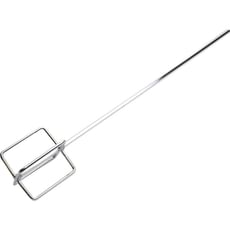
- Open Pattern vs Closed Cage: Open pattern paddles have widely spaced blades ideal for low-viscosity materials, whilst closed cage designs feature more densely arranged blades suited to breaking down thick, heavy compounds.
- RPM Rating: The maximum safe rotational speed for the paddle, typically measured in revolutions per minute. Exceeding this rating can cause material splatter, paddle failure, or damage to the drill motor.
- Galvanised Finish: A zinc coating applied to steel paddles to prevent rust and corrosion when working with water-based materials, extending the tool's working life and making cleanup easier.
Who Uses Mixing Paddles?
- Plasterers: For preparing plaster, skim coat compounds, and rendering mixes to consistent workable textures
- Tilers: Mixing tile adhesive, grout, and flexible cement-based fixing compounds
- Painters and Decorators: Blending emulsion paints, textured coatings, and large quantities of mixed colours
- Bricklayers: Preparing mortar batches for blockwork and brickwork on site
- Drywall Installers: Mixing joint compound and plasterboard finishing materials
- General Builders: Preparing various cement-based products, screeds, and repair mortars
- Flooring Contractors: Mixing self-levelling compounds and floor preparation materials
- Resin Flooring Specialists: Blending epoxy resins and polyurethane floor coatings
- DIY Enthusiasts: Tackling home renovation projects involving plastering, tiling, or painting
How to Choose the Right Mixing Paddles
Material Compatibility: Match the paddle design to your primary materials. Paint and mortar paddles feature different blade configurations – paint paddles typically have open spiral designs to minimise air entrapment, whilst mortar paddles use robust cage patterns to break down aggregates. Tooled-Up stocks specialist paddles from brands like Einhell and Makita designed specifically for plaster, mortar, or paint applications.
Connection Type: Determine whether you'll use a dedicated mixing drill with M14 threaded connection or a standard drill with hex shank chuck. M14 threaded paddles provide the most secure connection for heavy-duty professional use, whilst hex shank paddles from manufacturers like Sealey offer versatility across different drill types.
Paddle Dimensions: Consider the diameter and length relative to your typical bucket size and batch quantity. Larger diameter paddles (120mm+) suit big mixing buckets and commercial quantities, whilst compact paddles work better in smaller containers and tight spaces. Length should allow the paddle to reach the bottom of your mixing vessel whilst keeping the drill motor safely above the material.
Build Quality and Durability: Professional tradespeople should invest in heavy-gauge steel paddles with corrosion-resistant finishes. DeWalt and Makita mixing paddles feature robust carbon steel construction with protective plating that withstands daily site use. Check the weld quality where blades join the central shaft, as this is the primary stress point during mixing.
Drill Power Requirements: Ensure your drill provides sufficient torque for the paddle size and material viscosity. Heavy plaster and mortar mixing typically requires drills rated at 1200W+ for 240v models or 18V+ for cordless tools. Some paddles specify minimum power requirements – exceeding these ensures efficient mixing without overloading your drill motor.
Ease of Cleaning: Materials like cement and plaster set rapidly, making cleanup critical. Look for paddles with smooth welds, galvanised or plated finishes, and simple blade patterns that don't trap material. Open designs are generally easier to clean than complex cage configurations.
Popular Accessories
- Mixing Drills: Dedicated 240v mixing drills with M14 spindles and variable speed control for optimal paddle performance
- Heavy-Duty Cordless Drills: High-torque 18V drill drivers suitable for hex shank mixing paddles on smaller jobs
- Mixing Buckets: Robust plastic or rubber buckets in various capacities designed to withstand paddle impact
- Dust Masks and Respirators: Essential PPE when mixing dry powder materials that create airborne dust
- Safety Goggles: Eye protection against splashes during the mixing process
- Heavy-Duty Work Gloves: Protection when handling paddles and equipment covered in wet materials
- Paddle Cleaning Brushes: Wire brushes for removing dried material from paddle blades
- Speed Controllers: Variable speed switches for drills lacking built-in speed control
Safety Information
Personal Protective Equipment: Always wear appropriate safety goggles or face shield when mixing, as rotating paddles can cause material splatter. Dust masks or respirators rated to HSE standards are essential when adding dry powder to liquids, as fine particles become airborne. Heavy-duty gloves protect hands from prolonged contact with cement-based materials which can cause skin irritation and dermatitis.
Tool Operation: Never start a drill with the paddle already submerged in thick material – this can cause kickback or motor damage. Lower the paddle into the mixture gradually once rotation has begun, and always use both hands to control the drill. Ensure 240v corded tools are connected via an RCD (residual current device) for electrical safety on site, particularly in wet environments.
Paddle Inspection: Check paddles before use for bent blades, cracks, or loose connections which could cause failure during operation. Damaged paddles can break apart at high speed, creating serious injury risk. Ensure threaded paddles are fully tightened onto the drill spindle, and hex shank paddles are securely seated in the chuck.
Material Handling: Follow COSHH guidelines when working with construction chemicals. Many cement-based products are alkaline and can cause chemical burns with prolonged skin contact. Ensure adequate ventilation when mixing materials that release fumes or VOCs, particularly in confined spaces. Never mix materials at speeds exceeding the paddle's rated RPM, as this increases splatter and tool wear.
Frequently Asked Questions
Can I use a mixing paddle with a standard cordless drill?
Yes, hex shank mixing paddles can be used with cordless drills, but ensure your drill provides adequate power for the material being mixed. For heavy materials like mortar and plaster, use a minimum 18V drill with high torque settings. Lighter materials such as paint and emulsion can be mixed effectively with lower-powered drills. Always check the paddle manufacturer's power recommendations to avoid overloading your drill motor.
What's the difference between M14 and hex shank mixing paddles?
M14 threaded paddles screw directly onto dedicated mixing drills with matching M14 spindles, providing the most secure connection for professional heavy-duty use. Hex shank paddles fit standard drill chucks and offer greater versatility across different tools, making them ideal for occasional use or lighter materials. M14 connections are preferred by professional plasterers and tilers who mix large quantities daily.
How do I prevent my mixing paddle from getting clogged with dried material?
Clean paddles immediately after use, before materials have time to set. For cement-based products, rinse thoroughly with water within 10-15 minutes of finishing. Use a wire brush or scraper to remove stubborn residue from blade surfaces and welds. Some tradespeople keep paddles submerged in water between mixes during extended work sessions. Galvanised or plated paddles are easier to clean than bare steel.
Which paddle design is best for plaster versus mortar?
Plaster mixing paddles typically feature open helical designs that create smooth, air-free mixtures suitable for finishing work. Mortar paddles use more robust cage or basket configurations with closely-spaced blades to break down aggregates and create consistent mixes with sand content. Many professional plasterers at Tooled-Up choose Makita or Marshalltown paddles specifically designed for their primary material type.
What mixing speed should I use for different materials?
Start at low speeds (300-500 RPM) for thick materials like tile adhesive and plaster to prevent splatter and allow gradual incorporation. Increase to medium speeds (500-800 RPM) once the mixture begins to blend. Paint and thin materials can be mixed at higher speeds, but avoid excessive RPM which introduces unwanted air bubbles. Always consult the material manufacturer's mixing instructions for optimal results and check that your speed doesn't exceed the paddle's maximum rating.