

Mop Buckets

Pay in 3 interest-free payments on purchases from £20-£3000 with  . Learn more.
 Loading...
End of content
Error - No more pages to load
About Mop Buckets
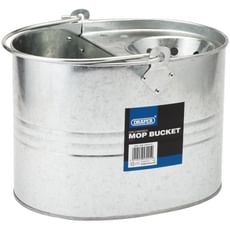
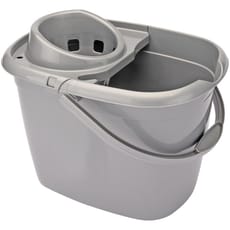
Mop buckets are essential cleaning equipment for maintaining hygiene standards across commercial premises, industrial facilities, and domestic environments. These purpose-built containers provide a practical solution for holding water and cleaning solutions whilst offering integrated wringer mechanisms to remove excess liquid from mop heads. Available in various materials including galvanised steel, stainless steel, and durable plastic, mop buckets are designed to withstand the rigours of daily cleaning routines whilst ensuring efficient and hygienic floor maintenance.
The mop bucket range at Tooled-Up.com encompasses traditional single-compartment designs alongside more sophisticated dual-compartment models that separate clean water from dirty rinse water. Capacity options typically range from 9 litres for smaller domestic applications through to heavy-duty 20+ litre wheeled models suited to large commercial spaces. Many professional-grade buckets feature ergonomic handles, robust castors for easy manoeuvrability, and side pouring spouts that eliminate the need for lifting and tipping heavy containers. Whether selecting a lightweight plastic bucket for routine domestic cleaning or a galvanised metal option for demanding contract work, choosing the right mop bucket significantly improves cleaning efficiency and reduces physical strain.
Quality mop buckets from trusted brands like Sealey and Draper combine durability with practical functionality. Galvanised and stainless steel options offer exceptional longevity in harsh environments where corrosion resistance is paramount, whilst plastic alternatives provide lightweight portability without compromising on strength. Professional cleaning contractors and facility maintenance teams particularly value dual-compartment systems that maintain water cleanliness throughout extended cleaning sessions, reducing the frequency of water changes and improving overall productivity.
Jargon Buster
- Wringer Mechanism: An integrated press or roller system mounted on the bucket that squeezes excess water from mop heads, preventing over-saturated floors and reducing drying times.
- Dual-Compartment System: A bucket design featuring two separate chambers – one for clean washing solution and another for wringing out dirty water, maintaining hygiene and cleaning effectiveness throughout use.
- Galvanised Steel: Metal that has been coated with a protective zinc layer to prevent rust and corrosion, making it ideal for wet environments and heavy-duty commercial applications.
- Castor Wheels: Swivelling wheels attached to the base of larger mop buckets enabling smooth movement across floors when filled with water, reducing manual handling strain.
- Pouring Spout: An angled lip or channel designed into the bucket rim that allows controlled emptying of dirty water without requiring the user to lift and tip the entire container.
- Capacity Rating: The maximum volume of liquid a mop bucket can hold, typically measured in litres, ranging from 9L for compact domestic models up to 25L+ for commercial applications.
Who Uses Mop Buckets?
- Contract Cleaners: Professional cleaning companies maintaining offices, retail premises, and public buildings.
- Facilities Management Teams: In-house maintenance staff responsible for schools, hospitals, leisure centres, and commercial properties.
- Janitorial Services: Caretakers and janitors maintaining cleanliness standards in educational establishments and public facilities.
- Hospitality Workers: Hotel housekeeping teams, restaurant staff, and pub landlords maintaining hygiene standards.
- Retail Management: Shop floor staff and duty managers responsible for maintaining clean, safe shopping environments.
- Healthcare Professionals: Hospital porters, care home staff, and medical facility maintenance teams adhering to strict hygiene protocols.
- Industrial Cleaners: Factory floor maintenance personnel and warehouse cleaning operatives dealing with spillages and routine floor care.
- Domestic Users: Homeowners and domestic cleaners maintaining residential properties and rental accommodations.
- Vehicle Valeters: Mobile cleaning services and car wash operations requiring portable cleaning equipment.
How to Choose the Right Mop Buckets
Material Construction: Consider the working environment when selecting bucket material. Galvanised steel offers excellent durability and is ideal for demanding commercial applications, whilst stainless steel provides superior corrosion resistance for environments exposed to harsh chemicals. Plastic buckets deliver lightweight portability and are perfectly adequate for domestic use or lighter commercial duties where budget is a consideration.
Capacity Requirements: Match bucket size to the area being cleaned. Smaller 9-12 litre buckets suit domestic properties and compact spaces, whilst 15-20 litre models are appropriate for medium commercial premises. Heavy-duty wheeled buckets exceeding 20 litres are designed for large facilities where frequent water changes would otherwise hamper productivity.
Wringer Type: Evaluate the wringer mechanism based on your mop head style and frequency of use. Roller wringers accommodate various mop head types and provide consistent performance, whilst downward-press wringers are particularly effective for traditional string mops. Professional users should prioritise robust, replaceable wringer components for long-term serviceability.
Mobility Features: Larger capacity buckets benefit significantly from castor wheels, particularly for contract cleaners covering extensive floor areas. Look for non-marking rubber wheels that protect finished floors whilst providing smooth manoeuvrability. Fixed-position buckets are suitable for static cleaning stations or smaller domestic applications.
Dual-Compartment Systems: For professional cleaning operations, dual-compartment buckets available from Tooled-Up maintain water cleanliness and improve hygiene standards by separating wash and rinse water. This feature reduces water consumption and extends cleaning time between refills, making it invaluable for large-scale operations.
Ergonomic Features: Consider practical elements such as pouring spouts that eliminate heavy lifting, comfortable grip handles for transport, and colour-coding options that support COSHH compliance in multi-purpose cleaning environments. These features significantly reduce physical strain and improve operational safety.
Popular Accessories
- Mop Heads: Kentucky-style, flat mop, and microfibre replacement heads compatible with your chosen bucket and wringer system.
- Mop Handles: Wooden and aluminium handles in various lengths, including ergonomic and telescopic options.
- Floor Cleaning Solutions: Concentrated detergents, disinfectants, and specialist floor cleaners suitable for different surface types.
- Squeegees: Floor squeegees for removing excess water and reducing drying times on hard surfaces.
- Warning Signs: 'Wet Floor' caution signs to maintain workplace safety during cleaning operations.
- Replacement Wringers: Spare wringer mechanisms and rollers to extend the service life of professional-grade buckets.
- Cleaning Caddies: Portable organisers for transporting cleaning chemicals and equipment alongside mop buckets.
- Protective Gloves: Chemical-resistant gloves for safe handling of cleaning solutions and contaminated water.
Frequently Asked Questions
What's the difference between single and dual-compartment mop buckets?
Single-compartment buckets hold wash water and wring dirty water into the same reservoir, requiring more frequent changes. Dual-compartment systems separate clean washing solution from dirty rinse water, maintaining hygiene standards throughout extended cleaning sessions and reducing water consumption. Professional cleaners typically prefer dual-compartment models for efficiency and improved cleaning results.
Are galvanised or stainless steel mop buckets better than plastic?
Metal buckets offer superior durability and longevity in demanding commercial environments, with stainless steel providing the best corrosion resistance when exposed to harsh chemicals. Galvanised steel represents excellent value for heavy-duty applications. Plastic buckets are lighter, more affordable, and perfectly adequate for domestic use or lighter commercial duties. Your choice should reflect usage intensity and working conditions.
What capacity mop bucket do I need for commercial cleaning?
For small offices and domestic properties, 9-12 litre buckets suffice. Medium commercial premises benefit from 15-20 litre capacity, whilst large facilities such as schools, hospitals, or shopping centres require heavy-duty wheeled models of 20+ litres. Larger capacities reduce refilling frequency but consider whether you can comfortably transport the filled weight.
Do wheeled mop buckets work on all floor types?
Quality wheeled mop buckets feature non-marking rubber castors suitable for most hard floor surfaces including tiles, vinyl, laminate, and sealed concrete. Always verify that wheels are specifically designed as non-marking to protect finished floors. The manoeuvrability benefits significantly outweigh any concerns for professional cleaning operations covering large areas.
How do I maintain my mop bucket for longevity?
Empty and rinse buckets thoroughly after each use to prevent chemical residue build-up and bacterial growth. Periodically clean wringer mechanisms to remove lint and debris that can impair performance. Store buckets in a dry location when not in use, and inspect wheels and handles regularly for wear. Metal buckets benefit from occasional inspection for corrosion, whilst plastic models should be checked for cracks that could compromise structural integrity.