

Mortar Raking
Pay in 3 interest-free payments on purchases from £30-2000 with  . Learn more.
 Loading...
End of content
Error - No more pages to load
About Mortar Raking
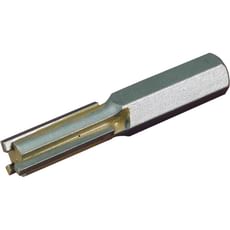
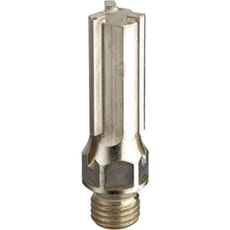
Mortar raking is an essential process in building renovation and repointing work, involving the removal of old, damaged or deteriorated mortar from between bricks, blocks or stonework. Whether preparing walls for repointing, restoring historic brickwork or addressing moisture problems caused by failing mortar joints, having the right mortar raking tools makes this labour-intensive task significantly faster and more precise. The category encompasses a range of specialised equipment designed to remove mortar efficiently whilst minimising damage to the surrounding masonry.
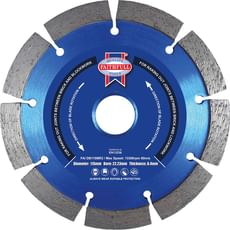
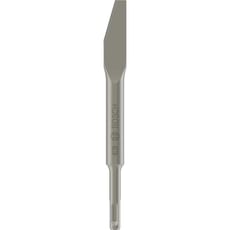
Modern mortar raking tools fall into several distinct categories, each suited to different applications and scale of work. Manual mortar rakers provide precise control for smaller jobs or delicate restoration work, whilst power tool attachments—including SDS Plus chisels, carbide-tipped rake bits and diamond cutting discs—dramatically increase productivity on larger projects. Tooled-Up.com stocks mortar raking solutions from trusted brands including Irwin, Bosch Professional, Faithfull and Draper, covering everything from basic hand tools to complete starter kits with multiple cutters and adaptors.
The depth and width of mortar removal required varies depending on the condition of existing joints and the intended repointing method. Professional-grade mortar raking equipment allows tradespeople to achieve consistent raking depths between 15mm and 25mm, creating a clean profile that accepts new mortar effectively. Diamond blades offer exceptional durability when working with particularly hard mortars or engineered stone, whilst tungsten carbide tipped (TCT) bits provide an economical solution for standard lime and cement-based mortars.
Jargon Buster
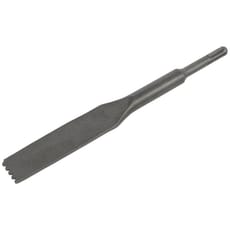
- SDS Plus: A standardised tool fitting system used primarily in rotary hammer drills, allowing quick, tool-free changing of drill bits and chisel attachments. SDS Plus mortar raking chisels are designed specifically for the precise removal of mortar from brick joints.
- TCT (Tungsten Carbide Tipped): Cutting edges or teeth that have been tipped with extremely hard tungsten carbide material, providing extended service life when abrading masonry and mortar. TCT mortar rake bits can typically handle most standard cement-based mortars without premature wear.
- Flute: The number of cutting edges on a mortar rake bit. Three-flute and four-flute cutters offer different cutting characteristics, with more flutes generally providing smoother operation and faster material removal in softer mortars.
- Repointing: The process of renewing the external part of mortar joints in masonry construction. Proper mortar raking is the essential first step in any repointing project, creating sufficient depth for new mortar to bond effectively.
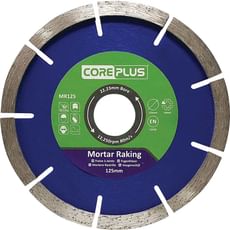
- Diamond Blade/Disc: A cutting disc with industrial diamond particles bonded to the cutting edge, offering superior performance and longevity when cutting extremely hard materials including engineering bricks, concrete and weathered mortars.
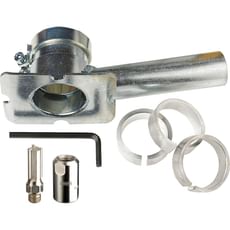
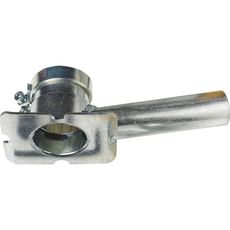
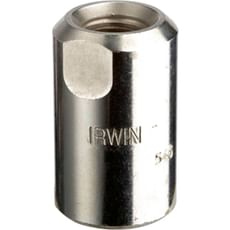
- Adaptor/Sole Plate: Accessories that modify standard power tools for mortar raking applications. Adaptors allow standard drills to accept mortar rake bits, whilst sole plates provide a stable guide surface for consistent raking depth.
Who Uses Mortar Raking?
- Bricklayers and Stonemasons: Regularly undertaking repointing work on residential and commercial properties
- Building Restoration Specialists: Working on heritage buildings and listed structures requiring careful mortar removal
- General Builders: Carrying out renovation projects that include brickwork repairs and maintenance
- Damp Proofing Contractors: Removing failed mortar as part of moisture control and remediation work
- Property Maintenance Teams: Managing ongoing repairs to brick and stone structures in estates and portfolios
- DIY Enthusiasts: Tackling home improvement projects including garden wall repairs, chimney repointing and exterior wall maintenance
- Conservation Professionals: Preserving historic masonry using appropriate techniques and equipment
How to Choose the Right Mortar Raking
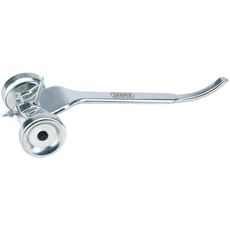
Selecting appropriate mortar raking equipment depends primarily on the scale of your project and the hardness of the mortar being removed. For small domestic jobs involving a few square metres of pointing, a manual mortar joint raker or a basic drill-mounted rake bit may prove sufficient and cost-effective. Larger renovation projects or professional repointing work justifies investment in powered solutions such as SDS Plus mortar raking chisels or complete starter kits that include multiple cutter sizes and adaptors.
The mortar joint width determines the size of rake bit required. Standard UK brickwork typically features 10mm joints, making 10mm rake bits the most commonly used size, though 8mm options suit narrower joints or precision work. The selection at Tooled-Up includes both sizes, with starter kits providing multiple cutters to suit different joint dimensions encountered on site. Consider whether you're working with soft lime mortar, standard cement-based mortar or particularly hard engineering brick mortar, as this influences whether TCT bits or diamond cutting discs are more appropriate.
Compatibility with existing power tools represents another crucial consideration. SDS Plus mortar raking chisels require an SDS drill or rotary hammer, whilst standard mortar rake bits work with conventional 240v corded drills or cordless drill-drivers. Adaptors bridge the gap between different tool systems, whilst sole plates provide guidance for maintaining consistent raking depth across large areas. For professional use, complete kits from established brands like Irwin offer comprehensive solutions with multiple cutters, adaptors and storage cases.
Durability and cost-per-use should factor into your decision, particularly for trade applications. Diamond blades command higher initial prices but deliver exceptional longevity in abrasive conditions, potentially offering better value over the tool's lifetime. TCT bits provide a middle ground between economy and performance for standard applications. Always check manufacturer specifications regarding compatible materials and recommended operating speeds to ensure optimal performance and safety.
Popular Accessories
- SDS Plus Drills and Rotary Hammers: Essential power tools for operating SDS-type mortar raking chisels efficiently
- Replacement Cutters: Spare carbide-tipped and diamond cutters to maintain productivity as cutting edges wear
- Drill Adaptors: Convert standard power drills for use with specialist mortar rake bits
- Sole Plates and Depth Guides: Ensure consistent raking depth and improved control during operation
- Dust Extraction Attachments: Connect to vacuum systems for cleaner working and reduced silica dust exposure
- Pointing Trowels and Jointing Tools: Complete the repointing process after mortar removal
- Safety Goggles and Dust Masks: Essential PPE for protection against flying debris and masonry dust
- Wire Brushes: Clean out loosened mortar and debris from raked joints before repointing
- Tool Storage Cases: Organise multiple cutters, adaptors and accessories for site work
Safety Information
Mortar raking generates significant quantities of fine dust containing crystalline silica, a substance hazardous to respiratory health with long-term exposure. Always work in well-ventilated areas and wear appropriate respiratory protection rated for fine dust particles. Safety goggles or face shields protect against flying debris, which can be ejected forcefully during powered mortar removal. Hearing protection is advisable when operating power tools for extended periods.
When using 240v powered equipment on site, ensure proper electrical safety practices including the use of RCD protection and regular inspection of cables and connections. SDS Plus chisels and rotating mortar rake bits demand secure workpiece positioning and firm two-handed grip to maintain control. Never force tools or exceed manufacturer-recommended operating speeds, as this increases risk of bit breakage or loss of control.
Be particularly cautious when working at height on scaffolding or ladders, as vibration from power tools can affect balance. Establish safe working platforms and consider whether work restraint equipment is required under HSE guidance. Inspect masonry before commencing work to identify any structural concerns, and take care around services such as electrical cables or pipework that may be concealed within walls. When working on older buildings, be aware of potential asbestos-containing materials in pointing or render that may require specialist assessment before disturbance.
Frequently Asked Questions
What depth should mortar be raked to for repointing?
Mortar should typically be raked to a depth of at least 15mm to 25mm (approximately 1.5 to 2.5 times the joint width) to provide sufficient depth for new mortar to achieve proper adhesion and durability. Shallow raking results in weak pointing that may fail prematurely, whilst excessive depth can compromise wall stability. Use depth guides or sole plates to maintain consistency across the work area.
Can I use a standard drill for mortar raking?
Yes, standard corded or cordless drills can be used with appropriate mortar rake bits and adaptors, making them suitable for smaller domestic projects. However, SDS Plus rotary hammers provide superior performance for larger jobs due to their hammering action, which breaks up mortar more effectively with less physical effort. The choice depends on project scale and the hardness of mortar being removed.
How do diamond blades differ from TCT mortar rake bits?
Diamond mortar raking blades feature industrial diamond particles that offer exceptional durability and cutting performance in extremely hard materials including engineering bricks and concrete-based mortars. TCT (Tungsten Carbide Tipped) bits provide good performance at lower cost for standard cement and lime mortars. Diamond blades represent better value for extensive professional use or particularly demanding applications, despite higher initial cost.
What size mortar rake bit do I need for standard UK brickwork?
Most standard UK brickwork features 10mm mortar joints, making 10mm mortar rake bits the most commonly required size. However, older buildings or specialised construction may have narrower joints requiring 8mm bits. Measure your mortar joint width before purchasing, or invest in a starter kit containing multiple sizes to ensure you have the correct equipment for various joint dimensions encountered during renovation work.
Is mortar raking suitable for DIY projects or should I hire a professional?
DIY mortar raking is certainly achievable for competent home improvers tackling modest areas of repointing on garden walls, chimneys or small sections of brickwork. Manual rakers and basic drill-mounted bits available from Tooled-Up provide accessible entry points for smaller projects. However, extensive façade work, structural repairs or heritage building restoration benefit from professional expertise to ensure appropriate techniques, mortar specification and structural assessment are employed throughout the repointing process.