

Mortar
Pay in 3 interest-free payments on purchases from £30-2000 with  . Learn more.
 Loading...
End of content
Error - No more pages to load
About Mortar
Mortar is a fundamental construction material that bonds bricks, blocks and stone together whilst also serving critical roles in pointing, repairs and various building applications. The mortar category at Tooled-Up.com encompasses specialist products designed for modern construction and repair work, including ready-mixed mortars, mortar additives, plasticisers, colouring agents and rapid-setting formulations. These products either enhance traditional sand and cement mixes or provide convenient, performance-enhanced alternatives for professional tradespeople and DIY enthusiasts alike.
The range includes mortar admixes that improve workability and frost resistance, liquid and powder mortar tones for colour matching existing brickwork, rapid-setting tile mortars for time-critical projects, and specialist epoxy and polyester-based repair mortars for structural concrete and masonry repairs. Whether laying bricks, repointing heritage properties, tiling commercial spaces or repairing damaged concrete surfaces, Tooled-Up stocks trusted brands including Everbuild, Rust-Oleum, Bostik and Timco to ensure professional results across diverse applications.
Modern mortar products have evolved significantly beyond traditional sand and cement mixes, offering enhanced performance characteristics such as faster setting times, improved adhesion, greater flexibility and superior weather resistance. These specialist formulations can dramatically reduce project timescales whilst delivering enhanced durability and finish quality, making them invaluable for both new construction and restoration work throughout the UK.
Jargon Buster
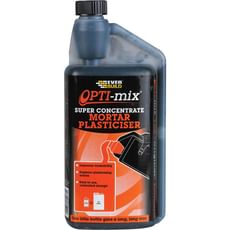
- Mortar Plasticiser: An additive that improves workability and flexibility of mortar mixes, reducing the likelihood of cracking whilst making the mortar easier to work with. Plasticisers also enhance frost resistance and water retention properties.
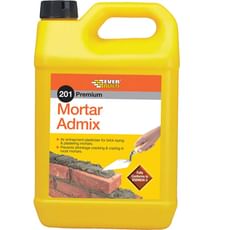
- Mortar Admix: A chemical additive mixed into mortar to modify its properties, such as accelerating or retarding setting time, improving adhesion, enhancing water resistance or increasing overall strength.
- Rapid Set Mortar: A fast-curing mortar formulation that achieves initial set within minutes and full strength within hours rather than days, ideal for emergency repairs or time-sensitive projects.
- Pointing Mortar: A specially formulated mortar designed for filling joints between bricks or stonework, typically with enhanced weather resistance and colour stability for exterior applications.
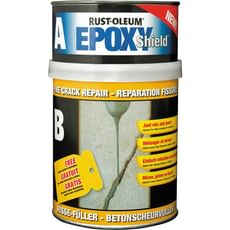
- Epoxy Mortar: A resin-based mortar system offering exceptional strength and chemical resistance, commonly used for structural repairs where traditional cement-based mortars would be inadequate.
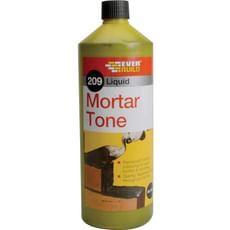
- Mortar Tone: A colouring additive available in liquid or powder form that allows precise colour matching to existing brickwork or achievement of specific aesthetic requirements.
Who Uses Mortar?
Mortar products are essential for a wide range of construction and maintenance professionals:
- Bricklayers and Blocklayers: For laying bricks, blocks and stone in new construction and extension projects
- Pointing Specialists: For repointing historic buildings, chimneys and weathered masonry
- General Builders: For various construction tasks including structural repairs and alterations
- Tilers: For fixing tiles to walls and floors in bathrooms, kitchens and commercial spaces
- Stonemasons: For traditional stonework and conservation projects requiring specific mortar characteristics
- Maintenance Teams: For reactive repairs to concrete and masonry in commercial and industrial settings
- Property Restoration Specialists: For heritage work requiring historically appropriate mortar formulations
- DIY Enthusiasts: For home improvement projects including garden walls, patching and minor repairs
- Groundworkers: For repairs to concrete surfaces, kerbs and paving
How to Choose the Right Mortar
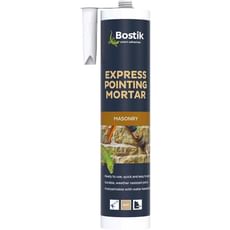
Application Type: Identify your specific requirement—whether laying bricks, pointing existing masonry, fixing tiles or repairing damaged concrete. Express pointing mortars offer rapid application for exterior joints, whilst epoxy mortars provide superior strength for structural repairs. Mortar admixes and plasticisers enhance conventional sand and cement mixes for general construction work.
Setting Time Requirements: Consider your project timeline carefully. Rapid-setting formulations achieve workable strength within hours, ideal for emergency repairs or cold weather working when standard mortars would take days to cure. Traditional mortar mixes with plasticisers offer extended working time for larger projects.
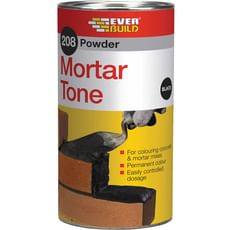
Colour Matching: For pointing and repair work, achieving an aesthetic match with existing mortar is crucial. Liquid and powder mortar tones allow precise colour matching across a wide range of shades to blend seamlessly with heritage brickwork or contemporary finishes.
Environmental Conditions: External applications require frost-resistant formulations with enhanced weather protection. Mortar admixes improve freeze-thaw resistance and reduce efflorescence, whilst specialist products offer waterproofing characteristics for particularly exposed locations.
Substrate Compatibility: Different base materials require appropriate mortar formulations. Epoxy-based repair mortars bond exceptionally well to concrete, whilst traditional lime-compatible mortars remain essential for historic buildings where breathability is crucial to prevent moisture damage.
Performance Requirements: High-traffic areas, chemical exposure or structural applications may require enhanced strength characteristics offered by epoxy or polyester-based systems rather than conventional cement mortars.
Popular Accessories
- Mixing Equipment: Paddle mixers, mixing drills and mortar mixers for consistent preparation
- Trowels and Pointing Tools: Brick trowels, pointing trowels, jointing irons and finishing tools
- Mortar Boards and Stands: For convenient mortar placement at working height
- Buckets and Mixing Tubs: Heavy-duty containers for batch preparation
- Spirit Levels and Lines: For accurate alignment during bricklaying and blockwork
- Personal Protective Equipment: Gloves, safety glasses and knee pads for safe working with cementitious materials
- Cleaning Materials: Brushes, sponges and mortar rakes for finishing and joint preparation
- Measuring Tools: For accurate mix ratios and consistent results
Safety Information
Skin Protection: Cement-based mortars are highly alkaline and can cause serious skin burns with prolonged contact. Always wear suitable waterproof gloves and protective clothing. Wash any skin contact immediately with clean water.
Eye Protection: Mortar dust and splashes can cause severe eye irritation or injury. Wear appropriate safety glasses or goggles, particularly when mixing or working overhead. If mortar enters eyes, rinse immediately with water and seek medical attention.
Respiratory Protection: Cement and mortar dust can irritate respiratory systems. Work in well-ventilated areas and wear appropriate dust masks or respirators when mixing dry powders, particularly in confined spaces. Follow COSHH regulations for workplace exposure.
Handling and Storage: Store mortar products in dry conditions away from moisture to prevent premature setting. Some products have limited shelf life once opened. Follow manufacturer guidelines for storage temperatures, particularly for admixes and liquid products.
Chemical Products: Epoxy and polyester-based mortars contain chemicals requiring specific handling procedures. Read product safety data sheets before use, ensure adequate ventilation and follow manufacturer recommendations for PPE and disposal.
Frequently Asked Questions
What's the difference between mortar plasticiser and mortar admix?
Mortar plasticiser specifically improves workability and flexibility of mortar mixes, making them easier to spread whilst reducing cracking. Mortar admix is a broader term encompassing various additives that modify different mortar properties including setting time, strength, water resistance or adhesion. Plasticisers are one type of admix, but admixes can also accelerate curing, improve frost resistance or enhance waterproofing depending on their formulation.
Can I use rapid-setting mortar for all applications?
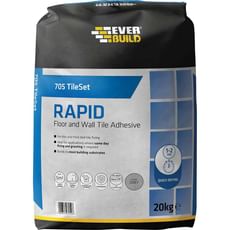
Rapid-setting mortars are ideal for time-critical repairs, emergency work and situations requiring quick strength development. However, their fast curing time limits working time, making them less suitable for large-scale bricklaying where extended workability is needed. They're perfect for post fixing, small repairs and tile adhesion where quick turnaround is beneficial, but traditional mortars with plasticisers remain preferable for extensive construction work.
How do I match mortar colour to existing brickwork?
Use liquid or powder mortar tones added to your base mortar mix. Start by identifying the closest standard colour to your existing mortar, then prepare small test batches with varying amounts of tone until you achieve a match. Remember that mortar lightens as it dries, so allow test samples to cure fully before comparing. For heritage or conservation work, consider consulting specialists to ensure historically accurate lime-based mortars.
What type of mortar should I use for repointing old buildings?
Historic buildings, particularly those built before 1919, typically require lime-based mortars rather than modern cement mortars. Lime mortars are softer and more breathable, allowing moisture to escape and preventing damage to older, softer bricks. Using overly strong cement-based mortars in heritage properties can cause brick face erosion and moisture retention issues. Consult conservation guidelines or specialists for listed buildings.
Is epoxy mortar stronger than cement-based mortar?
Yes, epoxy and polyester-based repair mortars typically offer significantly higher compressive and tensile strength compared to traditional cement mortars. They also provide superior chemical resistance and faster strength development. This makes them ideal for structural repairs, industrial flooring and areas subject to chemical exposure or heavy loads. However, they're more expensive and require precise mixing, so cement-based products remain suitable for general construction where such extreme performance isn't necessary.