

Motorcycle

Pay in 3 interest-free payments on purchases from £20-£3000 with  . Learn more.












Loading...
End of content
Error - No more pages to load
About Motorcycle
Motorcycle maintenance and repair require specialist tools designed to handle the unique challenges of working with bikes, from chain adjustments to engine maintenance. The motorcycle tools category at Tooled-Up.com encompasses everything needed to keep motorcycles running smoothly, whether for professional mechanics, mobile technicians, or enthusiastic home maintainers. These tools are engineered to provide access to tight spaces, deliver precise adjustments, and withstand the demands of regular use on modern and classic motorcycles alike.
From chain breakers and splitters to specialist motorcycle-specific equipment, these tools enable proper maintenance of drive systems, suspension components, and bodywork. Professional motorcycle technicians rely on high-quality tools that deliver consistent results across different makes and models, whilst DIY enthusiasts benefit from the same precision engineering when servicing their own bikes. The right motorcycle tools make complex tasks manageable and help prevent costly mistakes that can occur when using improvised or general-purpose equipment.
Tooled-Up stocks tools from trusted manufacturers who understand the specific requirements of motorcycle maintenance. These specialist implements are designed with features such as hardened steel construction for durability, ergonomic handles for comfort during extended use, and precise sizing to match motorcycle component specifications. Whether tackling routine chain maintenance, suspension adjustments, or more involved engine work, having the correct tools ensures jobs are completed safely and efficiently.
Jargon Buster
- Chain Breaker: A specialist tool designed to remove pins from motorcycle drive chains, allowing chains to be split for removal, replacement, or adjustment. Essential for chain maintenance on most modern motorcycles.
- Chain Riveting Tool: Used to install the connecting link on motorcycle chains by compressing the side plates onto the pin, creating a secure permanent join. Critical for proper chain installation and longevity.
- Master Link: A removable connecting link in a motorcycle chain that allows the chain to be split and rejoined without specialist riveting equipment. Available in clip-type and rivet-type configurations.
- Chain Pitch: The distance between chain pins, typically measured in inches or mm (such as 520, 525, 530). This specification must match the motorcycle's sprocket configuration for proper fit and function.
- Torque Wrench: A precision tool that allows bolts and fasteners to be tightened to exact specifications measured in Newton metres (Nm). Essential for critical motorcycle components like wheel axles, engine casings, and suspension components.
- C-Spanner: A specialist hook-type wrench designed to adjust threaded ring nuts commonly found on motorcycle suspension units and steering head bearings. Available in various sizes to suit different component specifications.
Who Uses Motorcycle Tools?
- Professional Motorcycle Mechanics: Workshop-based technicians servicing and repairing motorcycles across all makes and models
- Mobile Motorcycle Technicians: Self-employed mechanics providing on-site servicing and repairs at customers' homes or workplaces
- Motorcycle Racing Teams: Track-side mechanics requiring rapid, precise adjustments and repairs during race events
- Motorcycle Dealerships: Service departments conducting warranty work, PDI inspections, and customer servicing
- DIY Motorcycle Enthusiasts: Home mechanics maintaining their own bikes to save costs and develop mechanical knowledge
- Motorcycle Restorers: Specialists working on classic and vintage motorcycles requiring period-appropriate maintenance techniques
- Motorcycle Couriers and Delivery Riders: High-mileage riders performing their own maintenance to minimise downtime
- Motorcycle Training Schools: Facilities maintaining fleets of training bikes requiring regular servicing and chain maintenance
How to Choose the Right Motorcycle Tools
Selecting appropriate motorcycle tools begins with understanding the specific tasks you'll be performing and the types of motorcycles you'll be working on. Chain tools, for instance, must match the pitch and type of chain fitted to your motorcycle—different bikes use different chain specifications, and using incorrect tools can damage expensive drive components. Check your motorcycle's handbook or measure existing chains before purchasing chain breakers or riveting tools.
Build quality and material specification are critical factors when choosing motorcycle tools. Professional-grade tools manufactured from hardened steel or chrome vanadium offer superior durability and precision compared to economy alternatives. For frequently used items like chain breakers, investing in quality tools from established manufacturers ensures consistent performance and reduces the risk of tool failure during critical tasks. Consider whether you need portable tools for trackside or roadside use, or heavier workshop-based equipment that offers additional leverage and stability.
Compatibility with your specific motorcycle make and model should guide your tool selection. Some manufacturers use proprietary fasteners or unique component designs requiring specialist tools. Research the particular requirements of your bike before purchasing—online forums, workshop manuals, and manufacturer specifications provide valuable guidance. Multi-function tools that handle several tasks can offer excellent value for home mechanics with limited storage space, whilst professional technicians typically prefer dedicated single-purpose tools that deliver maximum precision.
Ergonomics and ease of use become increasingly important for professionals or enthusiasts who maintain motorcycles regularly. Tools with comfortable grips, clear calibration markings, and intuitive operation reduce fatigue and minimise the risk of errors. For torque-critical applications, invest in properly calibrated torque wrenches with clear Nm scales—over-tightening can strip threads or damage components, whilst under-tightening creates safety hazards on critical fasteners like wheel axles.
Popular Accessories
- Chain Lubricant: Specialist motorcycle chain lubes that penetrate rollers and resist high-speed fling-off
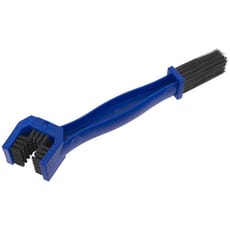
- Chain Cleaning Brushes: Multi-sided brushes designed to clean all surfaces of motorcycle chains simultaneously
- Spare Chain Master Links: Replacement connecting links kept as spares for emergency chain repairs
- Torque Wrench Calibration Certificates: Professional calibration documentation for workshops requiring traceable tool accuracy
- Socket Sets: Comprehensive metric socket collections covering common motorcycle fastener sizes from 6mm to 24mm
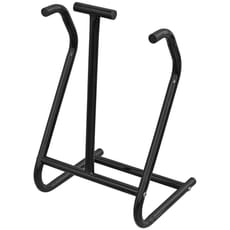
- Paddock Stands: Front and rear stands that lift motorcycles for wheel removal and chain maintenance
- Tool Rolls and Cases: Portable storage solutions for transporting motorcycle tools to trackdays or remote locations
- Grease and Assembly Paste: Specialist lubricants for threads, bearings, and sliding components during assembly
- Thread Lock Compounds: Anaerobic adhesives preventing critical fasteners from loosening due to vibration
- Cleaning Solvents: Degreasers and chain cleaners for removing accumulated grime and old lubricant
Safety Information
Motorcycle maintenance involves working with components under considerable mechanical stress, making proper tool use and safety precautions essential. Always ensure motorcycles are securely supported on paddock stands or suitable lifting equipment before commencing work—never rely solely on side stands when working beneath bikes or removing wheels. Chain breakers and riveting tools generate significant force; ensure tools are correctly aligned with chain pins before applying pressure to prevent slippage that could cause injury or component damage.
Wear appropriate personal protective equipment when working on motorcycles, including safety glasses when using chain tools or working beneath bikes to protect against falling debris or lubricant spray. Gloves provide protection from sharp chain edges and hot components, whilst also improving grip on tools. When using torque wrenches, never exceed the tool's maximum rated capacity, and store them at their lowest setting to maintain calibration accuracy. Be aware that many motorcycle components become extremely hot during operation—allow adequate cooling time before attempting maintenance work.
Chain maintenance presents specific hazards that require careful attention. New chains arrive coated in protective grease that should be cleaned before installation and proper lubrication. When refitting chains, ensure master links or rivet-type connectors are installed with the closed end facing the direction of chain travel. Always rotate the wheel by hand several times after chain work to verify correct installation and smooth operation before starting the engine. Dispose of old chains, used lubricants, and cleaning solvents responsibly in accordance with local environmental regulations.
Frequently Asked Questions
How often should motorcycle chains be replaced?
Motorcycle chain lifespan varies considerably depending on maintenance quality, riding style, and conditions, but typically ranges from 15,000 to 30,000 miles. Regular cleaning, lubrication, and correct tension adjustment significantly extend chain life. Replace chains when stretch exceeds manufacturer specifications, when rollers feel rough or binding, or when visible wear, cracks, or damaged links are evident. Always replace sprockets simultaneously with chains to ensure proper wear matching and maximum component life.
Can I use a standard chain breaker on all motorcycle chains?
No—chain breakers must match the pitch and width of your specific motorcycle chain. Common pitches include 520, 525, and 530, with variations in width between standard and heavy-duty chains. Using an incorrectly sized chain breaker risks damaging the tool, the chain, or both. Check your motorcycle's handbook or measure the existing chain pitch before purchasing chain tools. Some universal chain breakers include multiple adapters to accommodate different chain specifications.
Do I need different tools for motorcycles compared to cars?
Yes—whilst some general tools like socket sets are applicable to both, motorcycles require numerous specialist tools not used in automotive work. Chain breakers, C-spanners for suspension adjustment, and various motorcycle-specific sockets for components like axle nuts are essential for proper motorcycle maintenance. Motorcycles also typically use smaller fastener sizes than cars, with metric measurements predominating. The compact nature of motorcycle engineering means access tools and specialised implements are often necessary for routine maintenance tasks.
What's the difference between rivet-type and clip-type master links?
Rivet-type master links are permanently installed using a chain riveting tool and offer superior strength and reliability, making them the preferred choice for high-performance motorcycles and professional applications. Clip-type master links use a spring clip for installation and removal, allowing chains to be split without specialist tools—convenient for frequent chain cleaning but generally considered less secure. Many motorcycle manufacturers specify rivet-type connections only; always consult your handbook before selecting master link types.
How accurate do torque wrenches need to be for motorcycle work?
Torque accuracy is critical for motorcycle safety, particularly on components like wheel axles, brake caliper bolts, and engine casings. Professional-grade click-type or digital torque wrenches with ±3-4% accuracy are recommended for critical fasteners. Torque specifications on motorcycles typically range from 10Nm for small fasteners to 100Nm+ for rear axle nuts. Regularly calibrate torque wrenches—professional mechanics should have tools calibrated annually, whilst home mechanics should verify calibration every 12-18 months or after any drops or impacts.