

Mould Killers

Pay in 3 interest-free payments on purchases from £20-£3000 with  . Learn more.
 Loading...
End of content
Error - No more pages to load
About Mould Killers
Mould killers are specialist chemical treatments designed to eliminate mould growth on various surfaces throughout domestic and commercial properties. These powerful formulations work by breaking down mould at a cellular level, killing spores and removing unsightly black or green staining from walls, ceilings, tiles, grout, and sealants. Available in trigger spray bottles and larger containers, mould killers provide an effective solution for both immediate treatment and ongoing prevention of fungal growth in damp-prone areas.
Modern mould killer products typically offer multiple benefits in a single application. Many formulations available at Tooled-Up.com combine killing agents with cleaning properties and protective elements that help prevent mould from returning. These 3-in-1 solutions are particularly valuable for tradespeople and property maintenance professionals who need efficient, time-saving treatments that deliver lasting results. The products work on contact, with most requiring just a few minutes to take effect before the dead mould can be wiped away, leaving surfaces clean and protected.
Mould growth is a common problem in UK properties, particularly in bathrooms, kitchens, basements, and poorly ventilated spaces where condensation occurs. Left untreated, mould not only creates unsightly staining but can also damage decorative finishes and potentially affect indoor air quality. Professional mould killers provide a rapid, effective solution that addresses both the visible symptoms and the underlying fungal growth, making them essential products for property maintenance and renovation projects.
Jargon Buster
- Fungicide: A chemical compound specifically designed to kill fungal organisms including mould, mildew, and spores. The active ingredient in most mould killer formulations.
- Spores: Microscopic reproductive cells released by mould that can spread through the air and colonise new surfaces. Effective mould killers destroy spores to prevent regrowth.
- Biocide: A broader category of antimicrobial substance that kills or inhibits the growth of living organisms. Many mould killers are registered biocidal products regulated under UK and EU legislation.
- Contact Time: The duration a mould killer must remain wet on a surface to effectively kill mould. This typically ranges from 5 to 15 minutes depending on the product strength.
- Protective Barrier: A residual layer left by some mould killers that helps prevent new mould growth by creating an inhospitable surface environment for spores to colonise.
- Substrate: The underlying surface or material being treated, such as painted plaster, tiles, grout, or sealant. Different substrates may require different treatment approaches.
Who Uses Mould Killers?
- Painters and Decorators: Essential for surface preparation before painting or wallpapering, ensuring clean, mould-free substrates that won't compromise decorative finishes.
- Property Maintenance Professionals: Regular users for routine maintenance in rental properties, social housing, and commercial buildings where damp issues arise.
- Plasterers and Renderers: Required for treating affected areas before applying new plaster or render, particularly in renovation and restoration projects.
- General Builders: Use during refurbishment work to address mould problems before undertaking other trades, ensuring healthy building environments.
- Plumbers: Often encounter mould around leaking pipes, showers, and bathroom fittings, requiring treatment during repair and installation work.
- Facilities Managers: Responsible for building maintenance in commercial, educational, and healthcare settings where mould prevention is crucial.
- Landlords and Letting Agents: Need effective solutions for treating mould between tenancies and responding to maintenance requests.
- DIY Enthusiasts: Homeowners tackling bathroom renovations, damp issues, or routine household maintenance and cleaning projects.
How to Choose the Right Mould Killers
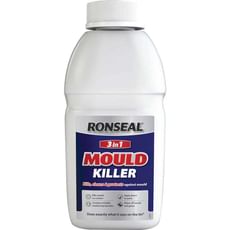
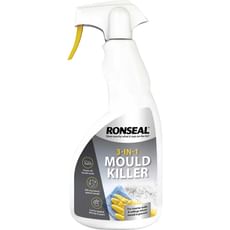
Application Method: Consider whether a trigger spray or larger bottle format suits your needs. Trigger sprays from brands like Ronseal offer convenient, ready-to-use application ideal for spot treatment and smaller areas, while larger containers provide better value for extensive mould problems or multiple properties.
Multi-Functionality: Look for 3-in-1 formulations that kill, clean, and protect in a single application. These products save time and reduce the need for multiple treatments, making them particularly efficient for professional tradespeople working to tight schedules.
Surface Compatibility: Ensure the mould killer is suitable for your intended substrate. Most products work effectively on painted surfaces, tiles, grout, and sealants, but always check manufacturer specifications for delicate or porous materials.
Treatment Speed: Consider the contact time required. Products that work within 5 minutes enable faster job completion, particularly valuable when working on occupied properties or where access time is limited.
Preventative Properties: The selection at Tooled-Up includes products that provide ongoing protection against mould regrowth. This preventative action is particularly valuable in persistently damp areas or where ventilation cannot be easily improved.
Odour and VOC Content: Some formulations have strong chemical odours that may be unsuitable for occupied spaces. Consider low-odour options when working in homes, healthcare facilities, or other sensitive environments.
Volume Requirements: Assess the scale of your mould problem. For extensive coverage across multiple rooms or properties, larger bottles or multiple units provide better value and reduce reordering frequency.
Popular Accessories
- Chemical-Resistant Gloves: Essential PPE when handling mould killer products, protecting skin from chemical irritation during application.
- Spray Bottles: Useful for decanting larger container products or creating diluted solutions for maintenance applications.
- Scrubbing Brushes and Sponges: Required for agitating stubborn mould staining and removing dead mould after treatment, particularly on textured surfaces.
- Drop Sheets and Protective Coverings: Protect floors, fixtures, and fittings from overspray and drips during application.
- Respirator Masks: Important when treating extensive mould growth or working in poorly ventilated spaces to avoid inhaling spores and chemical vapours.
- Anti-Mould Paint: Apply after mould killer treatment to provide long-term protection, particularly effective in bathrooms and kitchens.
- Sealants and Grout: Fresh application after mould removal helps prevent moisture ingress and future mould problems.
- Dehumidifiers: Address underlying moisture problems that cause mould growth, providing a long-term environmental solution.
Safety Information
Mould killers contain biocidal active ingredients that require careful handling and use. Always wear suitable protective gloves when applying these products to prevent skin irritation or chemical burns. Eye protection is also recommended, particularly when using trigger sprays where mist or splashback could occur. Ensure adequate ventilation during application and drying, opening windows and doors to disperse chemical vapours and disturbed mould spores.
Read product labels and safety data sheets carefully before use, paying particular attention to COSHH requirements if you're a professional tradesperson. Never mix mould killers with other cleaning products, particularly those containing bleach or ammonia, as dangerous chemical reactions may occur. Keep products away from children and pets, and store in original containers with intact labels in cool, dry conditions away from direct sunlight.
When treating extensive mould growth, consider wearing a respirator mask rated for organic vapours and mould spores, particularly in confined spaces or poorly ventilated areas. Dispose of cleaning materials contaminated with dead mould carefully, sealing them in plastic bags before placing in general waste. If you have respiratory conditions, allergies, or are pregnant, consider seeking professional assistance rather than undertaking extensive mould treatment yourself.
Frequently Asked Questions
How quickly do mould killers work?
Most modern mould killer formulations work on contact and require just 5 to 15 minutes of contact time to kill mould effectively. The Ronseal 3-in-1 products available from Tooled-Up, for example, need only 5 minutes before you can wipe away the dead mould. However, for heavily stained areas, you may need to repeat the application or allow slightly longer contact time for complete stain removal.
Will mould killer damage painted surfaces?
Quality mould killers are formulated to be safe on most painted surfaces, tiles, grout, and sealants when used according to manufacturer instructions. However, always test on an inconspicuous area first, particularly on delicate or aged paintwork. Avoid using on unsealed porous surfaces like bare plaster or wood without checking product suitability, as these materials may be damaged or permanently stained.
How do I prevent mould from returning after treatment?
While mould killers eliminate existing growth and many provide temporary protection, long-term prevention requires addressing the underlying moisture problem. Improve ventilation by using extractor fans, opening windows regularly, and ensuring adequate heating. Fix any leaks or damp issues promptly. Consider applying anti-mould paint after treatment and use products with protective properties that inhibit regrowth. Regular cleaning and monitoring of damp-prone areas also helps prevent recolonisation.
Can I paint over mould-treated areas immediately?
After treating mould and wiping away the dead growth, you should allow the surface to dry completely before painting, which typically takes 24 to 48 hours depending on temperature and humidity. Some mould killers may leave a residue that could affect paint adhesion, so wipe surfaces thoroughly with clean water after treatment and allow to dry. For best results, consider using a stain-blocking primer before applying topcoats, particularly if any residual staining remains.
Are mould killers safe to use in bathrooms and kitchens?
Yes, mould killers are commonly used in bathrooms and kitchens where mould problems frequently occur due to high humidity. However, ensure good ventilation during application, remove food items from the immediate area in kitchens, and avoid spraying directly onto food preparation surfaces. Allow treated areas to dry completely and ventilate thoroughly before normal use of the space. Always follow the specific safety guidance provided by the manufacturer for food preparation and bathroom environments.