

Mouse Sanding Sheets

Pay in 3 interest-free payments on purchases from £20-£3000 with  . Learn more.
 Loading...
End of content
Error - No more pages to load
About Mouse Sanding Sheets
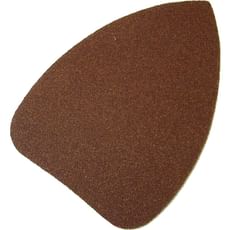
Mouse sanding sheets are specialist abrasive consumables designed specifically for detail sanders, commonly known as mouse sanders due to their distinctive triangular sanding pad shape. These compact sheets excel at accessing tight corners, edges and intricate profiles that larger orbital or belt sanders simply cannot reach. The characteristic triangular design makes them indispensable for sanding window frames, architraves, furniture corners, stair spindles and detailed woodwork where precision matters.
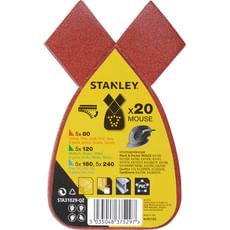
Available in a comprehensive range of grit grades from coarse through to ultra-fine, mouse sanding sheets cater for every stage of surface preparation from initial paint removal and rust stripping to final finish sanding before varnishing or painting. Modern mouse sheets are available in traditional paper-backed varieties as well as advanced mesh and perforated designs that dramatically reduce clogging whilst improving dust extraction. Tooled-Up.com stocks mouse sanding sheets from trusted brands including Black and Decker, Stanley and Faithfull, with options featuring quick-fit attachment systems that eliminate the frustration of manual sheet alignment and attachment.
The mesh sanding sheet technology represents a significant advancement over conventional paper sheets, offering considerably longer service life and superior dust extraction performance. These innovative sheets feature silicon carbide grain bonded to a durable cloth backing material, creating an abrasive that resists tearing and maintains its cutting efficiency even under demanding professional use. The hundreds of holes distributed across the mesh surface ensure dust extraction remains effective throughout the sheet's working life, keeping the work area cleaner and preventing the abrasive particles from becoming clogged with residue.
Jargon Buster
- Grit Rating: The numerical classification system that indicates abrasive particle size, with lower numbers (40-80 grit) representing coarse grades for heavy material removal, medium grades (100-150 grit) for general sanding, and higher numbers (180-400+ grit) denoting fine grades for finish work and between-coat preparation.
- Quick-Fit System: A hook-and-loop or clip-on attachment mechanism that allows rapid sheet changes without manual trimming or awkward clamping arrangements, ensuring the sheet remains perfectly aligned with the sander's dust extraction holes throughout use.
- Mesh Abrasive: An advanced sanding material constructed from cloth backing with abrasive particles bonded across a perforated mesh structure, providing superior dust extraction, extended lifespan and reduced clogging compared to traditional paper-backed sheets.
- Silicon Carbide: A premium synthetic abrasive material that remains sharper for longer than aluminium oxide or flint, particularly well-suited for sanding harder materials, painted surfaces and achieving fine finishes on wood and metal.
- Sanding Fingers: Specialised narrow sanding accessories designed to fit detail sander points, allowing access to extremely confined spaces such as window frame rebates, door frame joints and furniture moulding details that even standard mouse sheets cannot reach.
- Multi-Hole Configuration: A punched hole pattern across the sanding sheet that aligns with the sander's dust extraction ports, essential for effective dust removal which prevents surface scratching and maintains consistent cutting performance.
Who Uses Mouse Sanding Sheets?
- Joiners and carpenters preparing timber frames, architraves, skirting boards and custom furniture pieces requiring detailed finish work
- Decorators and painters undertaking surface preparation on window frames, door casings and intricate mouldings before painting or varnishing
- Cabinet makers and furniture restorers working on detailed joinery, turned spindles and decorative timber elements where precision sanding is essential
- Kitchen and bathroom fitters finishing off installations around cabinets, boxing-in pipework and preparing surfaces in confined spaces
- DIY enthusiasts tackling home improvement projects including furniture upcycling, window restoration and general woodwork maintenance
- Heritage restoration specialists working on period properties where delicate sanding of original features requires careful tool control
- Shopfitters and exhibition builders finishing display units, retail fixtures and bespoke joinery installations to exacting standards
How to Choose the Right Mouse Sanding Sheets
Selecting appropriate mouse sanding sheets begins with confirming compatibility with your detail sander model. The range at Tooled-Up includes quick-fit sheets designed for specific brands including Black and Decker and Stanley sanders, ensuring proper fit and alignment with dust extraction holes. Always verify the attachment system your sander uses – whether hook-and-loop fastening, clip-on mounting or simple friction fit – before purchasing replacement sheets.
Grit selection depends entirely on your application requirements. Start with coarse 40-60 grit sheets for removing old paint, varnish or heavy surface defects, progressing through 80-100 grit for initial smoothing work. Medium 120-150 grit grades suit general purpose sanding and preparing previously finished surfaces, whilst fine 180-240 grit sheets provide the smooth finish necessary before applying primers or topcoats. Ultra-fine 320-400 grit options deliver the glass-smooth results required for final finishes or between-coat denibbing on furniture and joinery.
Consider investing in mesh sanding sheets for professional applications or extended sanding sessions. Whilst traditional paper-backed sheets represent the economical choice for light occasional use, mesh alternatives available from Tooled-Up deliver substantially longer service life, maintain consistent cutting performance and provide superior dust extraction throughout their working life. The cloth backing resists tearing even when working around sharp edges or screws, making mesh sheets particularly cost-effective for tradespeople undertaking regular detail sanding work.
Pack sizes merit consideration based on consumption patterns. Individual sheets suit occasional DIY use, whilst multi-sheet assortment packs containing various grit grades provide versatility for diverse projects. Professional users benefit from bulk packs of commonly-used grits, delivering better value whilst ensuring sheets remain available when needed on site.
Popular Accessories
- Detail sanders (mouse sanders) – the power tools these sheets are designed to fit, available in corded 240v and cordless battery-powered configurations
- Sanding fingers – ultra-narrow sanding accessories for accessing extremely tight spaces beyond standard mouse sheet capability
- Dust extraction units – portable vacuum systems that connect to detail sanders for improved dust collection and healthier working conditions
- Multi-grit assortment packs – convenient selection boxes containing various grit grades for progression through sanding stages
- Sanding blocks and hand sanders – manual alternatives for areas where power tool access proves impractical
- Abrasive sponges – flexible hand-sanding alternatives ideal for contoured surfaces and profiles
- Wire wool sheets – alternative abrasive consumables for specific applications including grain raising and inter-coat preparation
- Dust masks and respirators – essential PPE for protecting respiratory health during prolonged sanding operations
Safety Information
Always wear appropriate respiratory protection when sanding, as airborne dust particles present serious health risks particularly when working with MDF, treated timber or painted surfaces that may contain harmful substances. HSE guidance recommends FFP2 or FFP3-rated dust masks for extended sanding work, with full respirators advised when sanding materials requiring COSHH assessment such as lead paint or exotic hardwoods.
Ensure adequate ventilation in the working area and connect your detail sander to suitable dust extraction equipment wherever possible. Even mesh sanding sheets with superior dust collection properties cannot eliminate all airborne particles, making extraction systems essential for maintaining acceptable air quality. Regularly empty dust collection bags or canisters outdoors to prevent accumulated dust becoming a secondary exposure hazard.
Inspect sanding sheets before use and replace any that show excessive wear, tearing or glazing. Damaged sheets can cause surface scratching whilst worn abrasives require excessive pressure that reduces tool control and increases fatigue. Keep hands clear of the sanding surface during operation and allow the tool to stop completely before setting it down. Never attempt to change sanding sheets whilst the tool remains connected to its 240v power supply or has its battery installed.
Frequently Asked Questions
How long should a mouse sanding sheet last?
Lifespan varies considerably depending on material hardness, grit grade and whether you're using paper or mesh sheets. Traditional paper sheets typically handle 15-30 minutes of active sanding on softwood, whilst premium mesh varieties from brands stocked at Tooled-Up.com can last three to four times longer. Coarser grits wear faster as they remove more material, and painted or resinous surfaces will clog abrasives more quickly than bare timber.
Can I use any brand of mouse sanding sheet on my detail sander?
Most detail sanders accept sheets with standardised triangular dimensions, but quick-fit attachment systems may be brand-specific. Black and Decker quick-fit sheets, for example, feature a specific clip arrangement designed for their sanders. Always check compatibility information or opt for universal hook-and-loop sheets that fit the vast majority of detail sanders regardless of manufacturer.
What's the difference between mesh and traditional paper sanding sheets?
Mesh sheets feature cloth backing with hundreds of holes across the entire surface, providing dramatically improved dust extraction and preventing the clogging that reduces paper sheet effectiveness. They last considerably longer and maintain consistent cutting performance throughout their life. Paper sheets cost less initially but wear faster, making mesh varieties more economical for regular professional use despite their higher purchase price.
Which grit should I start with when preparing bare wood for varnishing?
For previously sanded or planed timber in reasonable condition, start with 120 grit to remove any minor surface marks and achieve initial smoothness. Progress to 150 then 180 grit for increasingly refined surfaces, finishing with 240 grit before applying your first coat. If the timber shows significant defects, mill marks or old finish residue, begin with 80 grit before progressing through finer grades.
How do I prevent sanding sheets tearing around edges and corners?
Reduce pressure and let the abrasive do the work rather than forcing the sander. Mesh sheets with cloth backing resist tearing far better than paper alternatives. Ensure your sanding sheet sits properly secured to the backing pad with all holes aligned correctly, and avoid catching the sander's edge on raised surfaces or protruding fixings that can snag and damage the sheet prematurely.