

Multi Sanding Sheets
Pay in 3 interest-free payments on purchases from £30-2000 with  . Learn more.
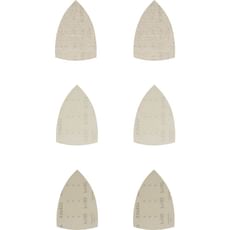
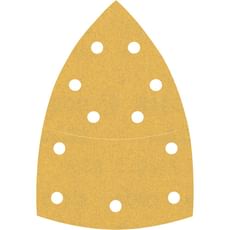
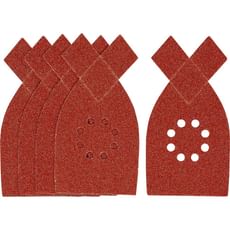
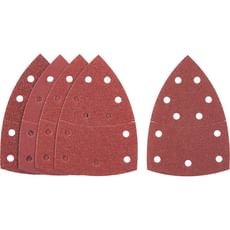
Bosch Expert M480 Hook and Loop Large Delta Sanding Sheets for Paint and Wood
in stock

Bosch Expert C470 Hook and Loop Large Delta Sanding Sheets for Paint and Wood
in stock
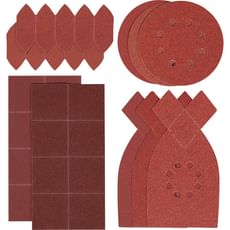
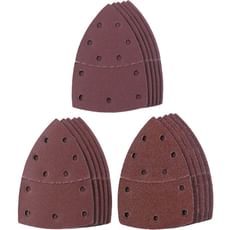
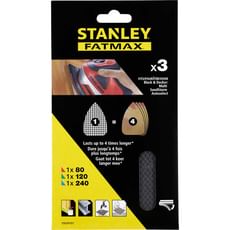
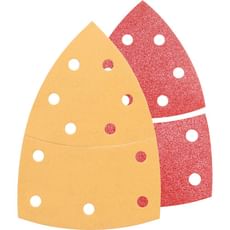
 Loading...
End of content
Error - No more pages to load
About Multi Sanding Sheets
Multi sanding sheets are versatile abrasive accessories designed specifically for multi-function sanders, also known as detail sanders or mouse sanders. These triangular or delta-shaped sheets feature a unique profile that enables precise sanding in tight corners, along edges, and in hard-to-reach areas where standard orbital sanders cannot reach. The sheets attach to the sanding pad using either hook and loop (Velcro-style) fastening systems or quick-fit clip mechanisms, making them quick and easy to change during projects.
Tooled-Up.com stocks multi sanding sheets from leading brands including Bosch Professional, Stanley, Black and Decker, and Flexovit, with options available in various grit sizes to suit different materials and applications. From coarse grits for rapid material removal and paint stripping to fine grits for finishing work and between-coat sanding, these sheets are essential consumables for anyone working with multi-sanders. Many modern sheets feature advanced designs such as mesh construction for improved dust extraction and longer service life, or pre-punched hole patterns that align with specific sander models for optimal performance.
Available individually or in convenient multi-pack assortments, multi sanding sheets are compatible with popular corded and cordless multi-sanders operating on 240v mains power or battery platforms. The selection at Tooled-Up includes sheets suited to wood, paint, metal, plastics, and composite materials, with specialist options featuring silicon carbide or aluminium oxide abrasive grains for enhanced durability and cutting performance.
Jargon Buster
- Hook and Loop: A Velcro-style fastening system that allows sanding sheets to be quickly attached and removed from the sander's base plate. The loops on the sheet grip onto tiny hooks on the backing pad, providing secure attachment during use.
- Quick-Fit/Clip System: An alternative attachment method using plastic clips or tabs that lock the sanding sheet onto the sander base. Common on Black and Decker models, this system provides firm hold without requiring adhesive backing.
- Grit Size: The coarseness of the abrasive particles, measured numerically. Lower numbers (40-80) indicate coarse grits for heavy material removal, medium grits (100-150) suit general sanding tasks, whilst higher numbers (180-240+) provide fine finishing.
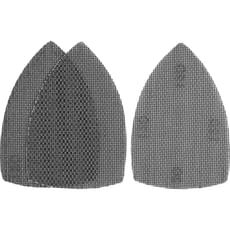
- Mesh Sheets: Modern sanding sheets constructed from abrasive-coated cloth mesh rather than paper backing. These feature hundreds of perforations for superior dust extraction, reduced clogging, and significantly longer service life compared to traditional paper sheets.
- Silicon Carbide: A hard, sharp abrasive grain particularly effective on harder materials, paint, lacquer, and for wet sanding applications. Generally more durable than aluminium oxide for demanding tasks.
- Punched Pattern: Pre-drilled holes in the sanding sheet that align with dust extraction ports on the sander base, allowing effective dust and debris removal during operation to maintain cutting efficiency and visibility.
Who Uses Multi Sanding Sheets?
- Joiners and carpenters for finishing detailed woodwork, window frames, and bespoke furniture
- Decorators and painters preparing surfaces, removing old paint, and sanding between coats
- Kitchen and bathroom fitters working in confined spaces around cabinetry and fixtures
- Furniture restorers refinishing antiques and period pieces requiring delicate touch
- Shop fitters preparing retail displays and fitted installations
- Model makers and craftspeople requiring precision sanding on intricate projects
- DIY enthusiasts tackling home improvement projects from furniture upcycling to decorating
- Maintenance contractors performing general repairs and refurbishment work
- Boat builders and repairers working on curved surfaces and tight corners
How to Choose the Right Multi Sanding Sheets
Check Your Sander's Attachment System: Verify whether your multi-sander uses hook and loop, quick-fit clips, or another fastening method. Not all sheets are universal, and using incompatible sheets will result in poor performance and potential safety issues. Major brands like Bosch, Stanley, and Black and Decker each have preferred systems, though some offer cross-compatibility.
Select the Appropriate Grit: Match the grit to your task – start with 60-80 grit for stripping paint or removing material quickly, progress to 100-120 grit for general smoothing, and finish with 180-240 grit for final preparation before painting or varnishing. For fine furniture work or between-coat sanding, consider even finer grits up to 320.
Consider Mesh vs Paper Construction: Mesh sheets cost more initially but last significantly longer, extract dust more effectively, and resist clogging when sanding resinous woods or removing paint. Paper sheets remain economical for light DIY use and quick jobs. The range at Tooled-Up.com includes both types to suit different budgets and requirements.
Match Abrasive Type to Material: Silicon carbide excels at paint removal and harder materials, whilst aluminium oxide suits general woodworking. Specialist sheets are available for specific applications such as metal finishing or plastic fabrication.
Buy in Assortments or Bulk: Multi-pack sets containing various grits offer better value and ensure you have the right grade to hand as you progress through sanding stages. Individual sheets provide flexibility when you know exactly what's needed for a specific job.
Popular Accessories
- Multi-function sanders – both corded 240v and cordless models from DeWalt, Bosch, and Makita
- Dust extraction adapters to connect your sander to workshop vacuum systems
- Replacement backing pads for worn hook and loop plates
- Sanding frames and blocks for hand sanding in similar delta profiles
- Dust masks and respirators for protection against fine sanding dust
- Workshop vacuums with appropriate filtration for dust management
- Wood finishing products including primers, stains, and varnishes
- Detail brushes for removing dust from corners before finishing
- Storage cases to keep various grit sheets organised and protected
Safety Information
Always wear appropriate eye protection when sanding, as particles can be ejected at high speed despite dust extraction systems. Use a suitable dust mask or respirator conforming to HSE guidelines, particularly when sanding materials that may contain hazardous substances such as old lead-based paints or MDF. Ensure adequate ventilation in your workspace to minimise airborne dust concentration.
Check sanding sheets regularly for tears or excessive wear, replacing them promptly to maintain safe operation and prevent the sheet detaching during use. Never modify sheets by cutting or trimming, as this can affect balance and create dangerous vibrations. When changing sheets, always disconnect the sander from 240v mains power or remove the battery to prevent accidental starting.
Be aware that some historic paints and finishes may contain lead or other toxic materials. When sanding any surface where the coating history is unknown, particularly in properties built before 1970, take appropriate precautions in line with COSHH regulations, including testing for hazardous substances and using adequate respiratory protection.
Frequently Asked Questions
Can I use any brand of sanding sheet on my multi-sander?
Not always. Whilst many hook and loop sheets are interchangeable, quick-fit and clip systems are often brand-specific. Sheets designed for Black and Decker quick-fit sanders won't fit Bosch models, for example. Always check compatibility before purchasing, or look for sheets specifically marked as compatible with your sander model.
How long should a multi sanding sheet last?
This varies considerably depending on the material being sanded, the pressure applied, and the sheet construction. Paper sheets typically handle 15-30 minutes of active sanding on wood, whilst mesh sheets can last three to five times longer. Working on harder materials or old paint will reduce lifespan. Replace sheets when they stop cutting efficiently rather than applying excessive pressure.
Why do some sheets have holes whilst others don't?
Pre-punched holes align with dust extraction ports on the sander base, allowing debris to be removed during operation. This prevents clogging, maintains cutting efficiency, and improves visibility of your work. Mesh sheets have hundreds of tiny perforations serving the same purpose. Sheets without holes are generally older designs or intended for use without dust extraction.
What grit should I use for preparing wood before painting?
For new softwood, start with 120 grit to smooth the surface, then finish with 180 grit. For previously painted surfaces, begin with 80 grit to remove flaking paint and create a key, progress to 120 grit for smoothing, then 180 grit for final preparation. Always sand in the direction of the grain where possible to avoid cross-grain scratches that will show through the finish.
Are mesh sanding sheets worth the extra cost?
For regular users and professional tradespeople, absolutely. Mesh sheets last significantly longer, resist clogging when working with resinous woods or paint, and provide superior dust extraction. The initial higher cost is offset by extended lifespan and reduced downtime changing sheets. For occasional DIY use on small projects, standard paper sheets remain economical.