

Nail Bars

Pay in 3 interest-free payments on purchases from £20-£3000 with  . Learn more.



 Loading...
End of content
Error - No more pages to load
About Nail Bars
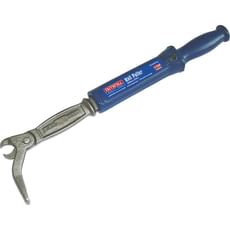
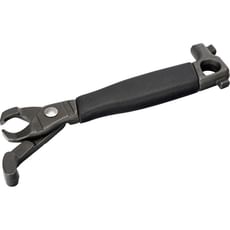
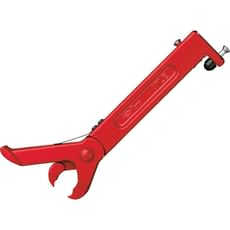
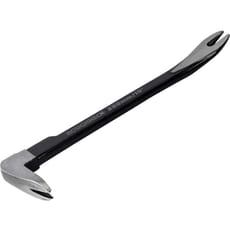
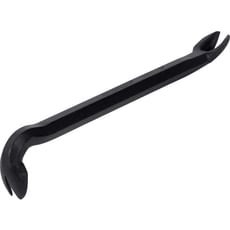
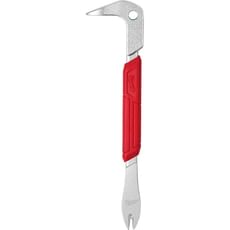
Nail bars, also known as pry bars, wrecking bars or nail pullers, are essential hand tools designed to extract embedded nails, remove mouldings, and provide leverage for demolition and dismantling tasks. These versatile tools feature hardened steel construction with precisely angled ends that allow tradespeople to remove stubborn fixings without damaging surrounding materials. From compact nail pullers perfect for delicate trim work to heavy-duty wrecking bars built for site demolition, Tooled-Up.com stocks a comprehensive selection to suit every application.
Modern nail bars combine traditional pry bar functionality with ergonomic design features including anti-slip grips, internal spring mechanisms, and anti-corrosion treatments. Available in various lengths from compact 200mm models to extended 600mm versions, these tools provide the mechanical advantage needed to tackle everything from removing floorboards to dismantling wooden pallets. Professional-grade nail bars from brands like Bahco, Stanley, DeWalt and Milwaukee offer superior durability and precision, making them indispensable for carpenters, roofers, shopfitters and general tradespeople.
Whether you're undertaking renovation work, formwork removal, or precision joinery tasks, the right nail bar significantly reduces effort and minimises damage to materials you wish to preserve. Many professional sets include multiple bar types with different end profiles – crowfoot, flat, pointed and curved – allowing you to tackle virtually any nail removal or prying challenge on site.
Jargon Buster
- Crowfoot End: A forked, crow's foot-shaped tip designed to grip nail heads securely, providing excellent purchase when extracting nails from timber or other materials.
- Moulding Bar: A slim, flat pry bar specifically designed for removing delicate trim, architrave and skirting boards without marking or damaging the woodwork or surrounding plasterwork.
- Wrecking Bar: A heavy-duty pry bar built for demolition work, featuring substantial steel construction and aggressive angles for maximum leverage when dismantling structures or removing large fixings.
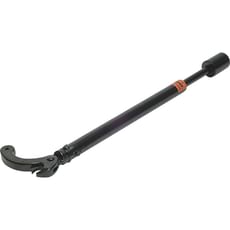
- Nail Puller: A specialised tool with spring-loaded jaws or hooks that grip nail shanks, allowing extraction of nails that have been driven flush or below the surface of timber.
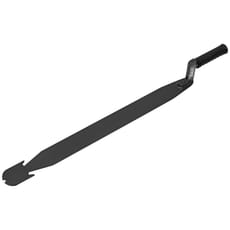
- Slaters Ripper: A specialist nail bar used primarily by roofers, featuring a long handle and hooked blade designed to remove roofing nails from beneath slates and tiles without removing surrounding materials.
- Striking Face: A reinforced flat area on some nail bars that can withstand hammer blows, allowing the tool to be driven beneath materials or used to set the prying point.
Who Uses Nail Bars?
- Carpenters and Joiners: For removing old fixings, dismantling formwork, and extracting nails during first and second fix carpentry
- Roofers: Using slaters rippers and specialist nail bars to remove and replace roofing materials without unnecessary damage
- Shopfitters: For careful removal of existing fittings, trim and mouldings during refurbishment projects
- Demolition Contractors: Heavy-duty wrecking bars for structural dismantling and salvage operations
- Flooring Specialists: Removing damaged floorboards, skirting and beading without affecting adjacent materials
- General Builders: All-purpose prying, nail removal and light demolition work across various construction projects
- Property Maintenance Teams: Renovation and refurbishment work requiring careful material removal and preservation
- Set Builders and Event Riggers: Quick assembly and dismantling of temporary structures and installations
- DIY Enthusiasts: Home improvement projects involving renovation, decking removal, or furniture dismantling
How to Choose the Right Nail Bars
Length and Leverage: Consider the scale of work you're undertaking. Compact 200-300mm nail pullers suit precision work and confined spaces, whilst 400-600mm bars provide greater leverage for stubborn fixings and heavy-duty applications. The Tooled-Up range includes various lengths to match your specific requirements.
End Profile and Functionality: Different end shapes suit different tasks. Crowfoot ends excel at gripping nail heads, flat ends slide easily beneath boards and trim, whilst pointed ends penetrate into tight gaps. Multi-piece sets offer versatility with complementary profiles for various applications.
Material and Construction: Professional nail bars use high-performance alloy steel with heat treatment for durability. Look for anti-corrosion coatings or finishes, particularly for exterior or damp environment use. Premium brands like Bahco and Estwing offer superior metallurgy that resists bending and breaking.
Handle Design: Ergonomic grips reduce hand fatigue during extended use. Thermoplastic or rubberised handles provide comfort and prevent slippage, whilst some models feature overmoulded designs that absorb shock when striking. For heavy demolition work, solid steel construction throughout may be preferable.
Special Features: Internal spring mechanisms keep jaws open on nail pullers for one-handed operation. Striking faces allow hammer blows to set the bar. Rolling heads provide progressive leverage. Consider which features benefit your typical applications most frequently.
Brand Reputation: Established manufacturers like Stanley, Milwaukee, DeWalt and Roughneck invest in quality materials and precision manufacturing. Professional-grade tools withstand daily site use and often include warranties reflecting their durability.
Popular Accessories
- Claw Hammers: Essential companions for nail bars, used to strike the bar and for general nail removal work
- Protective Blocks: Wooden or plastic blocks placed beneath pry bars to distribute pressure and protect finished surfaces
- Work Gloves: Heavy-duty gloves protect hands from splinters, sharp edges and repetitive strain during prolonged prying work
- Tool Belts and Pouches: Convenient carry solutions keeping nail bars accessible whilst working at height or moving around site
- Wrecking Bars and Digging Bars: Complementary tools for heavier demolition and ground work applications
- Multi-Tool Sets: Comprehensive prying and wrecking bar sets offering various profiles and lengths in one package
- Safety Glasses: Eye protection essential when removing nails that may fly free under tension
- Magnetic Nail Holders: For collecting extracted nails safely, reducing site hazards and simplifying cleanup
Safety Information
Personal Protective Equipment: Always wear safety glasses when using nail bars, as nails can spring free unexpectedly causing eye injuries. Heavy-duty work gloves protect against splinters, sharp nail points and hand injuries from slippage. Steel toe cap boots provide essential foot protection when working with heavy materials or dropped tools.
Proper Technique: Position yourself to push or pull away from your body, never towards it. Maintain stable footing and avoid overreaching, which can cause loss of balance if the bar suddenly releases. Apply steady, controlled pressure rather than jerking motions that may cause the tool to slip. When striking a nail bar with a hammer, ensure bystanders maintain a safe distance.
Tool Condition: Inspect nail bars before use for signs of damage including cracks, excessive wear, or bent sections. Damaged tools can fail unexpectedly under load, potentially causing injury. Replace worn or damaged bars rather than continuing to use compromised tools. Keep striking faces clean and free from mushrooming that could cause metal fragments to break away.
Work Environment: Be aware of hidden hazards when prying materials apart, including embedded cables, pipework or structural elements under tension. When working at height, secure nail bars with lanyards to prevent drops. Ensure adequate lighting to see clearly what you're doing, particularly when working in renovation or demolition environments with concealed fixings.
Frequently Asked Questions
What's the difference between a nail bar and a crowbar?
Whilst the terms are sometimes used interchangeably, nail bars typically feature more refined, flatter profiles optimised for nail extraction and precision prying work without damaging surrounding materials. Crowbars generally refer to heavier-duty wrecking bars with more aggressive angles designed for demolition and heavy leverage applications. Many modern tools combine both functionalities with dual-purpose designs.
How do I remove a nail that's flush with or below the timber surface?
Use a dedicated nail puller with spring-loaded jaws or a cat's paw style tool. Position the hooked end beside the nail and tap the tool with a hammer to drive the hook beneath the nail head. The internal spring or curved design then allows you to rock back and extract the nail. For very stubborn nails, you may need to create a small pilot alongside the nail to gain purchase.
Can nail bars be used on delicate trim without causing damage?
Yes, when using the correct technique and tool. Choose a slim moulding bar rather than a heavy wrecking bar. Place a protective wooden block beneath the bar to distribute pressure across a wider area. Work slowly and progressively along the trim rather than trying to remove an entire section at once. This approach allows careful release of fixings whilst minimising the risk of splitting or marking the woodwork.
What length nail bar should I choose for general carpentry work?
For most carpentry applications, a 300-400mm nail bar provides an excellent balance between leverage and manoeuvrability. This length suits typical nail removal, trim work and general prying tasks without being too unwieldy in confined spaces. Many professional carpenters keep both a compact 250mm precision bar and a 400-450mm general-purpose bar to cover all eventualities.
Do I need multiple nail bars or will one tool suffice?
This depends on the variety of work you undertake. For occasional DIY use, a single good-quality 300-400mm nail bar handles most tasks adequately. Professional tradespeople benefit from having multiple tools: a compact nail puller for precision work, a medium moulding bar for trim removal, and a heavy-duty wrecking bar for demolition tasks. Multi-piece sets available at Tooled-Up offer cost-effective solutions providing various profiles for different applications.