

Nail Punches
Pay in 3 interest-free payments on purchases from £30-2000 with  . Learn more.
 Loading...
End of content
Error - No more pages to load
About Nail Punches
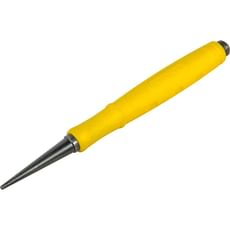
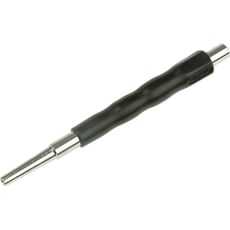
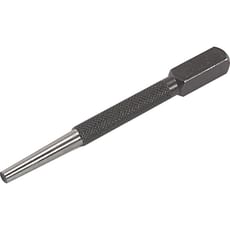
A nail punch, also known as a nail set or nailset, is an essential hand tool used to drive nails below the surface of wood, creating a professional finish on carpentry and joinery projects. The tool features a hardened steel shaft with a small, precisely machined tip that matches the diameter of the nail head, and a flat striking surface at the opposite end for hammer blows. This simple yet indispensable tool allows tradespeople and DIY enthusiasts to countersink nail heads beneath the wood surface, where they can be filled and sanded for an almost invisible finish.
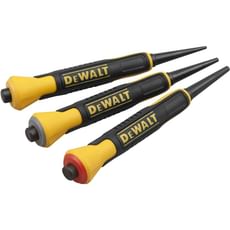
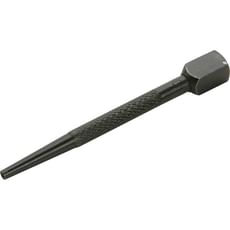
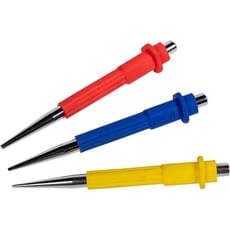
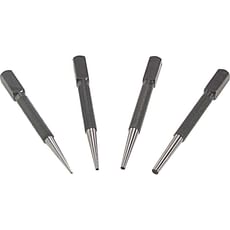
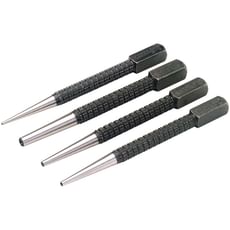
The selection available from Tooled-Up includes individual nail punches in various sizes, as well as convenient multi-piece sets from trusted manufacturers including Stanley, DeWalt, Draper, Bahco, and Priory. Nail punches are available in both metric and imperial sizing, typically ranging from 1/32 inch (0.8mm) to 5/32 inch (4mm) to accommodate different nail gauges. Modern designs feature ergonomic enhancements such as knurled bodies for improved grip, soft-grip handles for comfort during extended use, and square striking heads that prevent rolling on work surfaces.
Beyond basic finishing work, nail punches serve a critical role in protecting delicate materials and preventing hammer damage to visible surfaces. When installing skirting boards, architraves, decorative mouldings, or fine cabinetry, the controlled precision of a nail punch ensures the final hammer blows don't leave unsightly dents or marks around the nail head. Professional joiners and carpenters rely on these tools daily for achieving the quality finish that distinguishes expert craftsmanship from amateur work.
Jargon Buster
- Nail Set: Alternative name for a nail punch, commonly used in North America and increasingly in the UK. Both terms describe the same tool used for countersinking nails below the wood surface.
- Countersinking: The process of driving a nail head below the surface level of the material, creating a small depression that can be filled for a flush, invisible finish.
- Cupped Tip: A concave design at the working end of the nail punch that better grips rounded nail heads, preventing the punch from slipping during use and reducing damage to the nail head.
- Knurled Body: A textured, cross-hatched pattern machined into the steel shaft that provides enhanced grip, especially useful when working with sweaty or gloved hands on site.
- Heat Treated Steel: Steel that has undergone controlled heating and cooling processes to increase hardness and durability, preventing the tip from mushrooming or deforming after repeated hammer strikes.
- Pin Punch: A similar tool with a straight, parallel-sided tip used for driving out pins and small fasteners, not to be confused with nail punches which have tapered tips specifically designed for nail heads.
Who Uses Nail Punches?
- Carpenters and Joiners: Daily use for first and second fix carpentry, ensuring professional finishes on all nailed joinery work.
- Cabinet Makers: Essential for fixing decorative mouldings, beading, and trim without visible fixings in high-quality furniture and fitted units.
- Shopfitters: Installing display fixtures, shelving, and decorative elements where aesthetic finish is paramount.
- Flooring Specialists: Fixing hardwood flooring, skirting boards, and beading with concealed nail fixings.
- Window and Door Fitters: Installing architraves, trims, and decorative surrounds with invisible fixings.
- Property Maintenance Professionals: General repair and renovation work requiring neat, professional finishes.
- Set Builders and Theatrical Carpenters: Creating temporary structures and sets with removable fixings that leave minimal surface damage.
- DIY Enthusiasts: Home improvement projects including skirting installation, picture frame assembly, and furniture restoration.
- Picture Framers: Assembling frames with concealed pin fixings for professional presentation.
How to Choose the Right Nail Punches
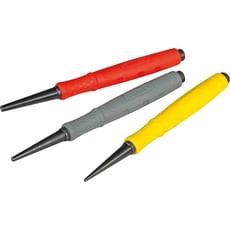
Size Range: Consider whether you need a single size for specific work or a set covering multiple nail gauges. Sets typically include three to four sizes (commonly 1/32", 1/16", 3/32", and 5/32"), providing versatility for different applications. Match the punch diameter to your most commonly used nail sizes for optimal results.
Tip Design: Cupped or concave tips provide better purchase on rounded nail heads and reduce slippage, whilst flat tips work well with flat-headed pins and brads. The tip should be slightly smaller than the nail head to avoid marking the surrounding wood.
Handle Design: Basic nail punches feature knurled steel bodies for grip, whilst premium models from manufacturers like Stanley's DynaGrip range and DeWalt's bi-material sets offer cushioned, ergonomic handles that reduce hand fatigue during extended use and improve control.
Material Quality: Tooled-Up stocks nail punches manufactured from hardened and tempered carbon steel or alloy steel, ensuring the striking head and tip resist mushrooming and deformation. Chrome-plated finishes provide corrosion resistance and easy identification in toolboxes.
Length: Standard nail punches measure approximately 100mm (4 inches) long, providing sufficient length to keep fingers clear of hammer strikes whilst maintaining control. Longer punches offer advantages in deep recesses or confined spaces.
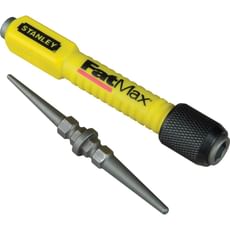
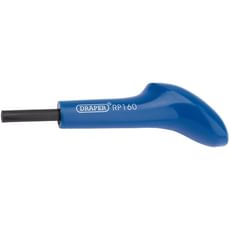
Special Features: Consider magnetic pin setting tools for holding small pins and brads in position single-handedly, or interchangeable tip systems like the Stanley FatMax range for versatility without carrying multiple tools.
Popular Accessories
- Hammers: Pin hammers, warrington hammers, and finishing hammers with smaller striking faces provide better control when using nail punches on delicate work.
- Wood Filler: Essential for filling countersunk nail holes; available in various wood tones or stainable formulations.
- Panel Pins and Finishing Nails: Available in various lengths and gauges to match your nail punch sizes for different applications.
- Nail Guns: Brad nailers and pin nailers from Makita, DeWalt, and Milwaukee offer faster fixing with similar finishing requirements.
- Abrasive Papers: For sanding filled nail holes flush with the surrounding surface.
- Tool Rolls and Pouches: Organised storage solutions keeping nail punch sets protected and readily accessible.
- Safety Glasses: Eye protection essential when striking any punch tool to guard against flying fragments.
Safety Information
Personal Protective Equipment: Always wear safety glasses or goggles when using nail punches, as repeated hammer strikes can cause small metal fragments to detach from either the punch or nail head. Consider safety gloves to protect against missed hammer strikes, though these may reduce feel and control for precision work.
Tool Inspection: Regularly inspect nail punches for mushrooming at the striking head, which occurs through repeated use. A mushroomed head presents a safety hazard as metal fragments can break away during striking. Grind away mushroomed edges using a bench grinder or replace the tool if significantly damaged.
Proper Technique: Position fingers well clear of the striking zone, maintaining a firm grip on the punch body whilst keeping it perpendicular to the work surface. Use controlled hammer strikes rather than excessive force, which can cause the punch to slip and damage the workpiece or cause injury.
Work Environment: Ensure adequate lighting to clearly see both the nail head and punch position. Secure workpieces firmly before nailing to prevent movement during striking. Follow HSE guidelines for hand tool use in professional environments.
Frequently Asked Questions
What size nail punch do I need for standard second fix carpentry?
For most skirting, architrave, and general trim work, a 2mm (1/16 inch) nail punch suits standard lost head nails and panel pins. A three-piece set covering 1/32", 1/16", and 3/32" provides versatility for the full range of finishing nails commonly used in second fix carpentry. This sizing accommodates everything from fine 15-gauge brad nails to heavier 16-gauge finishing nails.
Can I use a nail punch on masonry or metal fixings?
No, nail punches are specifically designed for use with nails in wood and similar soft materials. Using them on masonry nails, concrete, or metal will rapidly damage the tip and potentially cause dangerous fragmentation. For masonry applications, use appropriate pin punches or drift punches manufactured for harder materials.
Why does my nail punch keep slipping off the nail head?
Slippage typically occurs when the punch tip is too large or too small for the nail head, or when the tip has become worn or damaged. Ensure you're using the correct size punch for your nail gauge, and replace punches with worn or flattened tips. Cupped-tip nail punches provide better purchase and reduce slippage compared to flat-tip designs.
How deep should I countersink nails below the surface?
For filling and painting, countersink nails approximately 2-3mm below the surface – sufficient to accommodate wood filler whilst maintaining material strength. Deeper countersinking weakens the timber and makes filling more difficult. For clear finishes or staining, shallower countersinking (1-2mm) reduces the visible filler patch size.
What's the difference between a nail punch and a centre punch?
A nail punch has a blunt, slightly tapered tip designed to match nail head diameters and drive them below timber surfaces. A centre punch has a sharply pointed tip used to create location marks in metal before drilling. Despite similar appearance, they serve completely different purposes and are not interchangeable. Using a centre punch on nails will damage both the tool and workpiece.