

Needle Files
Pay in 3 interest-free payments on purchases from £30-2000 with  . Learn more.
 Loading...
End of content
Error - No more pages to load
About Needle Files
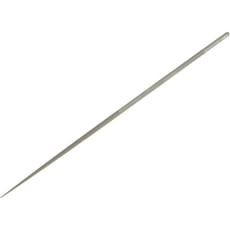
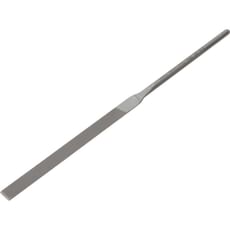
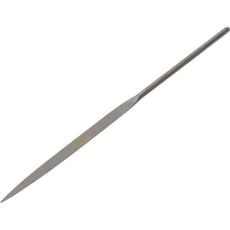
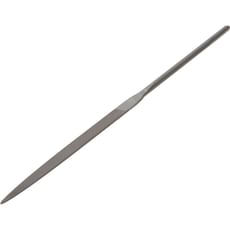
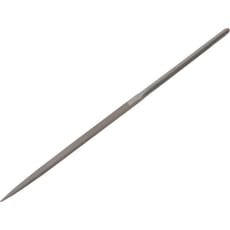
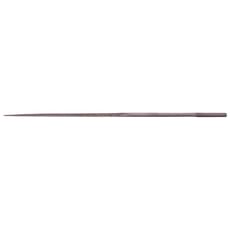
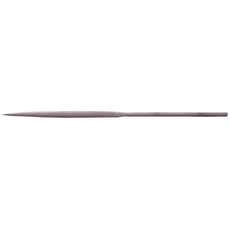
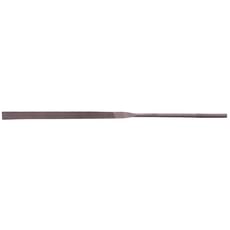
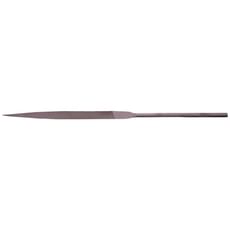
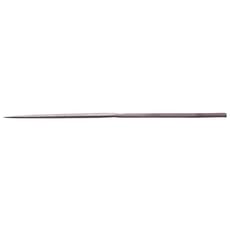
Needle files are precision hand tools designed for fine, detailed filing work in confined spaces where standard files are too large or cumbersome. Characterised by their slender profiles and tapered designs, these specialist files typically range from 100mm to 200mm in length and come in various cross-sectional shapes including flat, half-round, round, square, three-square (triangular), and knife edge profiles. Each shape serves a specific purpose, allowing craftspeople to access tight corners, create intricate contours, and achieve smooth finishes on small workpieces made from metal, plastic, wood, and other materials.
The cutting surfaces of needle files feature fine teeth, typically ranging from 20 to 40 teeth per centimetre, making them ideal for precision work where material removal must be controlled and gradual. Professional-grade needle files from manufacturers like Bahco and Draper are hardened and tempered to maintain their cutting edges through extended use, whilst the fine cut grades (often designated as Cut 0, 1, or 2) determine the surface finish achieved. Tooled-Up.com stocks needle files in various cut grades to suit different applications, from aggressive material removal to final polishing operations.
Available in both handled and unhandled versions, needle files are indispensable tools for jewellers, watchmakers, model makers, instrument technicians, and precision engineers who require exceptional control and accuracy. The selection at Tooled-Up includes sets and individual files, allowing tradespeople to build a comprehensive toolkit tailored to their specific requirements, whether working on delicate electronics, fine metalwork, or intricate hobby projects.
Jargon Buster
- Cut Grade: The coarseness of the file teeth, typically numbered 0 to 6. Lower numbers (Cut 0, 1, 2) indicate finer teeth for smooth finishing work, whilst higher numbers represent coarser teeth for faster material removal. Cut 2 (smooth) is most common for precision needle file work.
- Teeth Per Centimetre (TPC): The density of cutting edges on the file surface, measured per centimetre. Needle files typically feature 25-40 TPC, with higher numbers producing finer finishes and requiring less force during use.
- Taper: The gradual reduction in cross-sectional size from the file's base toward its tip. Tapered needle files allow access into progressively smaller openings and enable detailed work in confined areas.
- Safe Edge: One or more edges on a file that have no teeth, allowing you to file one surface without accidentally damaging an adjacent perpendicular surface. Particularly useful when working into corners or shoulders.
- Tang: The pointed or tapered end of an unhandled file that can be fitted with a removable handle. Professional needle files are often sold without handles, allowing users to fit their preferred grip or use the file directly.
- Cross-Section Profile: The shape of the file when viewed end-on, such as flat, round, half-round, square, three-square (triangular), or knife edge. Different profiles suit different filing applications and workpiece geometries.
Who Uses Needle Files?
- Jewellers and Goldsmiths: For shaping, finishing and detailing precious metals, resizing rings, and creating intricate designs in jewellery pieces
- Watchmakers and Horologists: Fitting and adjusting tiny mechanical components, modifying watch parts, and performing precision repairs on timepieces
- Model Makers and Hobbyists: Creating detailed scale models, cleaning up plastic or metal kit parts, and achieving smooth finishes on miniature components
- Precision Engineers: Deburring machined components, fitting parts with tight tolerances, and finishing work in hard-to-reach areas
- Instrument Makers and Repair Technicians: Adjusting musical instruments, filing slots in guitar nuts, and performing delicate repairs on brass, woodwind and stringed instruments
- Gunsmiths: Fitting and finishing small metal parts, creating custom modifications, and performing detailed restoration work on firearms
- Electronics Technicians: Modifying enclosures, deburring holes in chassis, and adapting components for custom electronic assemblies
- Die Makers and Tool Makers: Finishing cavity details in moulds, creating sharp internal corners, and achieving precise dimensions on tooling components
- Dental Technicians: Shaping and finishing dental prosthetics, crowns, and orthodontic appliances with precision
How to Choose the Right Needle Files
Profile Selection: Consider the shapes you'll be working with most frequently. Flat files suit straight surfaces and slots, half-round files work well for concave curves, round files create holes and internal radii, square files form right-angled corners, three-square files access acute angles, and knife-edge files reach into narrow slots. For versatile coverage, a set containing multiple profiles offers the best value and flexibility.
Cut Grade and Finish Requirements: Match the cut grade to your application. Cut 0 and Cut 1 (superfine and fine) are ideal for final finishing and polishing work on soft metals and plastics. Cut 2 (smooth) provides the best balance for general precision work and is the most popular choice available from Tooled-Up. Coarser cuts remove material faster but leave a rougher surface requiring additional finishing.
File Length: Needle files typically range from 100mm to 200mm in total length, with 140mm, 160mm and 180mm being common sizes. Shorter files offer greater control for extremely fine work but have reduced reach, whilst longer files provide better leverage and are more comfortable for extended use. Consider the scale of your typical projects when selecting length.
Handle Preference: Unhandled needle files (tang only) are traditional for precision work, allowing maximum feel and control. They're ideal when working at a bench or with magnification. Handled versions provide more comfortable grip for extended use and better leverage when filing harder materials. Some professionals prefer to fit custom handles to unhandled files for personalised comfort.
Material Compatibility: Ensure the files you select are appropriate for your workpiece materials. Standard needle files work well on brass, aluminium, copper, mild steel, plastics and wood. For hardened steel, stainless steel, or other tough materials, consider whether you need files with appropriate hardness ratings. The Bahco and Draper ranges at Tooled-Up include files suitable for professional metalworking applications.
Set Versus Individual Files: Needle file sets typically include 4-12 files in various profiles, often supplied in a protective wallet or case. Sets offer excellent value for those building their toolkit or working across diverse applications. Individual files allow experienced users to replace worn profiles or add specialist shapes to their existing collection without duplication.
Popular Accessories
- File Handles: Ergonomic grips that fit onto tang-style unhandled needle files, improving comfort during extended use and providing better control
- File Card Brushes: Wire brushes specifically designed for cleaning debris and metal particles from file teeth, maintaining cutting performance
- File Chalk: Applied to file teeth to prevent clogging when working with soft metals like aluminium, brass, or copper
- Precision Vices and Pin Vices: Hold small workpieces securely whilst filing, particularly useful for jewellery work and model making
- Magnification Equipment: Bench magnifiers, head-mounted loupes, or illuminated magnifying lamps for detailed precision work
- Storage Wallets and Tool Rolls: Protect needle file teeth from damage and keep sets organised in workshops or mobile toolkits
- Abrasive Papers and Polishing Compounds: Complementary finishing materials for achieving progressively finer surface finishes after filing
- Engineer's Scriber and Marking Tools: For marking out precise work before filing to dimension
Safety Information
Personal Protective Equipment: Always wear safety glasses or goggles when filing, as metal particles can be ejected toward the face, particularly when working with harder materials or using coarser files. Fine metal dust can also irritate eyes, making eye protection essential for extended filing sessions.
Hand Protection and Grip: Whilst gloves are generally not recommended for precision filing work (as they reduce tactile feedback and control), be aware that needle file tangs can be sharp. If working with unhandled files for extended periods, consider wrapping tangs with tape or fitting appropriate handles to prevent hand fatigue and potential injury. Ensure your hands are clean and dry to maintain secure grip and prevent slipping.
Work Positioning: Secure small workpieces properly in a suitable vice or holding device. Never hold tiny parts in your hand whilst filing toward your fingers. File away from your body and maintain proper posture to prevent fatigue, which can lead to slips and accidents. Good lighting and magnification reduce eye strain during precision work.
Tool Condition: Inspect needle files before use for cracks, chips, or damaged teeth. Worn files with clogged teeth require excessive pressure and can slip unexpectedly. Clean files regularly with a file card brush to maintain cutting efficiency and reduce the force needed. Replace files that no longer cut effectively rather than applying excessive pressure.
Material Awareness: Some materials produce potentially harmful dust when filed. Work in well-ventilated areas and consider wearing a dust mask when filing materials that may create fine airborne particles. Be particularly cautious with older materials that may contain harmful substances, and observe COSHH (Control of Substances Hazardous to Health) regulations in professional settings.
Frequently Asked Questions
What's the difference between needle files and standard files?
Needle files are significantly smaller and more slender than standard files, typically 100-200mm long compared to 200-400mm for standard files. They feature finer teeth (higher teeth per centimetre), tapered profiles for accessing confined spaces, and are designed for precision work on small components. Standard files are for general-purpose material removal on larger workpieces, whilst needle files excel at detailed finishing, intricate shaping, and work in tight spaces where control and precision are paramount.
How long do needle files last with regular use?
The lifespan of needle files depends on usage frequency, the materials being filed, filing technique, and maintenance. Professional-quality files from brands like Bahco and Draper can last several years with proper care, including regular cleaning with a file card brush, avoiding excessive pressure, and using appropriate cutting fluid when working harder materials. Files used on abrasive materials or allowed to clog with debris will wear more quickly. Once teeth become noticeably dull or clogged beyond cleaning, replacement is necessary to maintain work quality and efficiency.
Can needle files be sharpened or re-cut?
Needle files cannot be effectively sharpened or re-cut once worn. The teeth are formed during manufacture through precision cutting processes that cannot be replicated as a sharpening operation. Attempting to sharpen needle files will damage them and compromise their precision. Instead, focus on prolonging file life through proper use: clean teeth regularly, avoid filing materials harder than the file itself, use appropriate pressure, and store files properly to prevent teeth damage. When performance deteriorates, replacement is the only practical solution.
Should I buy a needle file set or individual files?
For those new to precision filing or requiring versatility across different projects, a needle file set offers excellent value and ensures you have the right profile for various applications. Sets typically include the most commonly used shapes (flat, half-round, round, square, three-square, and knife edge) in matching lengths and cut grades. Experienced users who know their specific requirements may prefer purchasing individual files to replace worn profiles or add specialist shapes. Consider your typical projects: jewellers and model makers benefit from complete sets, whilst those performing specific repetitive tasks may only need one or two profiles.
Do I need different needle files for different materials?
A single set of quality needle files can handle most common materials including brass, aluminium, copper, mild steel, plastics, and wood. However, extremely hard materials like hardened steel, stainless steel, or titanium require files manufactured from harder steel with appropriate heat treatment. The cut grade also matters: finer cuts (Cut 0-2) work best on softer materials and for finishing operations, whilst coarser cuts suit harder materials requiring more aggressive material removal. For general workshop use, Cut 2 (smooth) needle files provide the best versatility across different materials and applications.