

Nibblers

Pay in 3 interest-free payments on purchases from £20-£3000 with  . Learn more.
 Loading...
End of content
Error - No more pages to load
About Nibblers
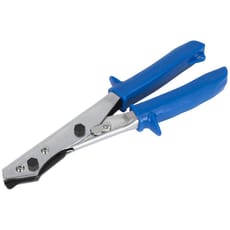
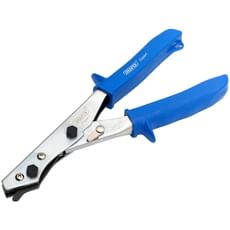
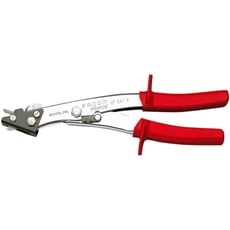
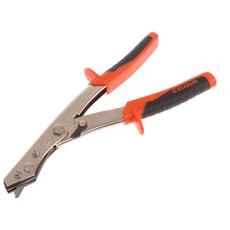
Nibblers are specialised cutting tools designed to slice through sheet metal, plastic laminates, and other thin materials with exceptional precision and minimal distortion. Unlike conventional metal shears or tin snips that can bend or warp the material, nibblers remove a narrow strip of material as they cut, producing clean, accurate lines without deforming the workpiece. Available in both hand-operated and power tool versions, these versatile cutting instruments are essential for any tradesperson working with sheet materials who demands professional results.
Hand nibblers offer excellent manoeuvrability and control for detailed cutting work, featuring spring-loaded handles and interchangeable cutting blades that can tackle sheet metal up to 1.2mm thickness and plastic materials up to 2mm. Electric nibblers, such as those from Makita, provide faster cutting speeds and reduced operator fatigue on larger projects, powered by either 240v mains electricity or cordless battery platforms. Both types excel at cutting curves, circles, and intricate shapes that would be difficult or impossible with straight-cutting tools.
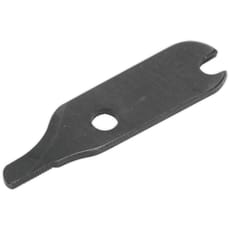
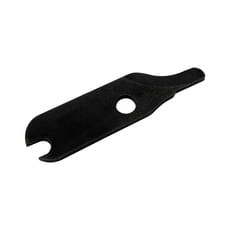
The selection at Tooled-Up.com includes professional-grade nibblers from trusted manufacturers including Draper, Edma, Makita, Sealey, and Facom, along with replacement punches, blades, and cutters to keep your tools operating at peak performance. Whether you're fabricating ductwork, cutting corrugated roofing sheets, or creating precise openings in metal panels, the right nibbler ensures clean edges without the need for extensive finishing work.
Jargon Buster
- Punch and Die: The two cutting components in a nibbler that work together like a miniature press brake. The punch moves through the material and into the die, removing small crescent-shaped pieces with each stroke to create the cutting action.
- Cutting Capacity: The maximum thickness of material a nibbler can cut, typically measured separately for different materials. Common hand nibblers handle sheet metal up to 1.2mm and softer plastics up to 2mm thickness.
- Kerf Width: The width of material removed during the cutting process. Nibblers remove a narrow strip (typically 3-6mm) as they cut, which allows them to make tight curves without distorting the material on either side.
- Swarf: The small crescent-shaped metal chips produced as waste material during nibbling. Proper swarf management is important as these sharp pieces can accumulate quickly and create hazards on the work surface.
- Interchangeable Cutters: Replaceable cutting components with precisely ground edges that can be swapped out when worn. This extends the tool's lifespan and maintains cutting quality without replacing the entire tool.
- Spring-Loaded Action: The automatic return mechanism in hand nibblers that opens the handles after each cutting stroke, reducing operator fatigue during extended use.
Who Uses Nibblers?
- Roofers: Cutting corrugated metal sheets, flashing, and roofing profiles to exact dimensions
- HVAC Engineers: Fabricating and modifying sheet metal ductwork and ventilation components
- Electricians: Creating precise openings in metal enclosures, cable trays, and electrical panels
- Sheet Metal Workers: Professional fabricators cutting and shaping metal for industrial and architectural applications
- Vehicle Body Repairers: Trimming panels and creating accurate cuts in automotive sheet metal
- Cladding Installers: Cutting metal cladding panels and architectural metalwork to fit
- Plumbers: Modifying metal brackets, pipework covers, and access panels
- Shopfitters: Cutting metal edging, trim, and decorative metalwork for retail installations
- DIY Enthusiasts: Home improvement projects involving sheet materials, from garden structures to custom metalwork
How to Choose the Right Nibblers
Manual vs. Powered: Hand nibblers provide excellent control and precision for occasional use and detailed work, requiring no power source and offering maximum portability. Electric nibblers from brands like Makita deliver faster cutting speeds and reduced operator fatigue, making them ideal for high-volume work or extended cutting sessions. Consider your typical project scale and frequency of use when deciding between the two.
Cutting Capacity: Match the tool's capacity to your typical material thickness. Standard hand nibblers handle sheet metal up to 1.2mm and plastics to 2mm, which suits most general applications. If you regularly work with thicker gauge materials, invest in a heavy-duty model with greater cutting capacity to avoid overworking the tool.
Material Compatibility: Whilst most nibblers handle mild steel, aluminium, and plastics effectively, verify the tool's suitability for your specific materials. Some specialist applications involving stainless steel or hardened materials may require particular cutter specifications or blade materials.
Blade and Punch Availability: Tooled-Up stocks replacement components for popular brands including Draper, Makita, Edma, and Sealey. Choose a model from a reputable manufacturer with readily available replacement parts to ensure long-term serviceability and minimise downtime.
Ergonomics and Control: For hand tools, look for spring-loaded handles with slip guards and comfortable coating to reduce hand fatigue. If purchasing an electric model, consider the weight distribution, handle design, and whether a 240v corded or cordless option better suits your working environment.
Brand Quality: Professional-grade tools from established manufacturers like Makita, Draper Expert, and Facom offer superior build quality, longer blade life, and more consistent cutting performance than budget alternatives, representing better value over the tool's lifetime.
Popular Accessories
- Replacement Punches and Dies: Essential wear components that should be replaced when cutting quality deteriorates
- Interchangeable Cutting Blades: Spare blades maintain cutting performance without replacing the entire tool body
- Cutting Oil and Lubricants: Reduce friction and heat during cutting, extending blade life and improving cut quality
- Safety Gloves: Cut-resistant gloves protect hands from sharp edges and swarf
- Safety Glasses: Eye protection is essential when cutting metal to guard against flying swarf particles
- Marker Pens and Scribers: For accurately marking cutting lines on sheet materials
- Straight Edges and Squares: Ensure accurate measurements and straight cutting lines
- Swarf Brushes: Keep work surfaces clear of accumulated metal chips
- Tool Storage Cases: Protect your investment and keep accessories organised
Safety Information
Always wear appropriate personal protective equipment when operating nibblers, including safety glasses to protect against flying metal swarf and cut-resistant gloves to guard hands from sharp edges. The small crescent-shaped chips produced during cutting are extremely sharp and can cause injury; regularly clear swarf from the work area to prevent accumulation and potential hazards.
When using electric nibblers, ensure 240v tools are connected via an RCD-protected supply, particularly on construction sites or in damp environments. Inspect power cables before use and never operate damaged equipment. Cordless models should use only the manufacturer's specified batteries and chargers to prevent electrical hazards.
Secure workpieces firmly before cutting to prevent movement that could result in injury or inaccurate cuts. Never force a nibbler beyond its rated cutting capacity, as this can damage the tool and potentially cause the blade or punch to fail. Follow the manufacturer's guidance on appropriate materials and thicknesses for your specific model.
Maintain cutting components in good condition by replacing worn punches and dies promptly. Dull cutters require excessive force and produce poor-quality cuts with increased burring. Keep all guards and safety features in place during operation, and always disconnect power tools from the electricity supply before changing accessories or performing maintenance.
Frequently Asked Questions
What's the difference between a nibbler and metal shears?
Nibblers remove a narrow strip of material as they cut, leaving clean edges without bending or distorting the surrounding material. Metal shears and tin snips use a scissor action that can deform thin materials, particularly when cutting curves. Nibblers excel at intricate shapes and tight curves whilst maintaining material flatness, making them preferable for precision work in sheet metal up to 1.2mm thickness.
Can nibblers cut corrugated metal sheets?
Yes, nibblers are excellent for cutting corrugated materials including roofing sheets and cladding panels. The nibbling action follows the contours without flattening the corrugations, unlike other cutting methods. Position the tool carefully to ensure the punch and die align properly across the profile ridges for best results.
How often should I replace nibbler blades and punches?
Replace cutting components when you notice increased effort required during cutting, rough or burred edges, or visible wear on the cutting surfaces. Frequency depends on usage intensity and materials cut, but regular inspection after extended use helps maintain cutting quality. Tooled-Up.com stocks replacement parts for major brands including Makita, Draper, and Sealey to keep your tools performing optimally.
Will a nibbler work on stainless steel?
Standard hand nibblers typically handle mild steel, aluminium, and plastics within their thickness rating. Stainless steel is harder and more abrasive, potentially exceeding the capacity of basic models and causing accelerated wear. For regular stainless steel work, consult the manufacturer's specifications or consider a heavy-duty electric nibbler specifically rated for harder materials.
What causes burrs on nibbler cuts and how can I prevent them?
Burring typically results from worn cutting components, cutting material beyond the tool's capacity, or incorrect technique. Replace punches and dies when worn, ensure you're working within the specified thickness limits, and maintain steady, consistent pressure during cutting. Some minor edge finishing may still be necessary, but sharp, properly maintained cutters significantly reduce burr formation.