

Non Slip Mats

Pay in 3 interest-free payments on purchases from £20-£3000 with  . Learn more.

 Loading...
End of content
Error - No more pages to load
About Non Slip Mats
Non slip mats are essential safety products designed to provide secure footing and protect floor surfaces in workshops, garages, industrial settings, and professional work environments. These specialist mats and flooring systems combine practical safety features with durability, offering tradespeople and DIY enthusiasts a reliable solution for reducing slip hazards whilst creating comfortable, organised workspaces. Whether you're looking for interlocking polypropylene floor tiles that can be configured to any size, vinyl peel-and-stick tiles for quick installation, or portable work mats that can be rolled up and transported between job sites, non slip mats deliver both functionality and peace of mind.
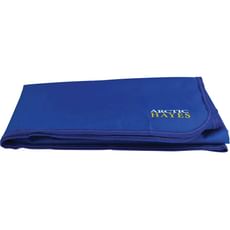
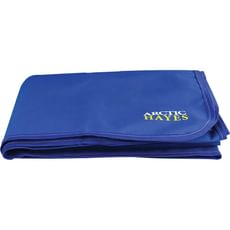
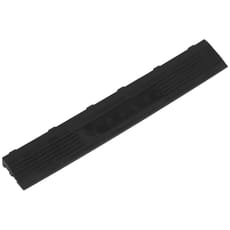
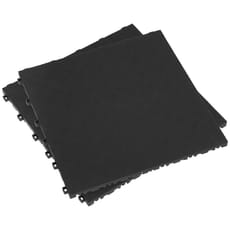
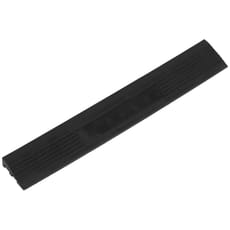
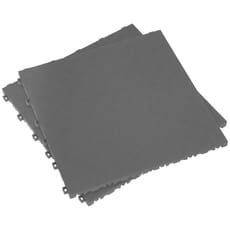
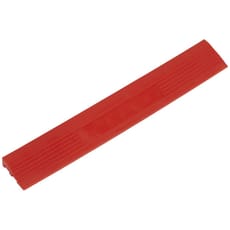
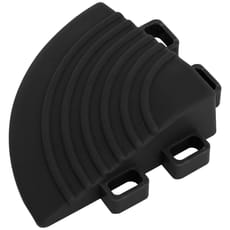
The selection at Tooled-Up.com includes modular floor tile systems from Sealey, which feature anti-slip polypropylene construction available in various colours including black, red, and grey to suit different workshop aesthetics or zoning requirements. These interlocking tiles come with specialised edging pieces – both male and female connections – plus corner tiles and ramps to create a professional, finished appearance. For tradespeople working on-site, portable options like the Arctic Hayes Tradesmans Runner Work Mat provide a protective surface that can be easily transported and deployed wherever needed, complete with convenient storage bags.
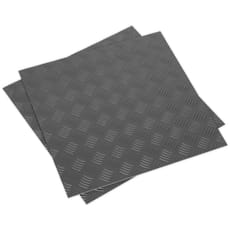
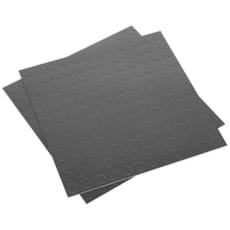
Modern non slip mat systems offer excellent resistance to oils, chemicals, and general workshop contaminants, whilst their textured or patterned surfaces – including coin vinyl and treadplate designs – provide superior grip underfoot. This makes them particularly valuable in environments where liquids, metal swarf, or dropped materials might otherwise create dangerous conditions. The raised profile of many interlocking tile systems also promotes drainage and air circulation, keeping feet dry and comfortable during extended periods of standing work.
Jargon Buster
- Interlocking Tile System – Modular floor tiles with connection points (male/female edges) that click together to create a customisable floor covering without adhesives. Individual tiles can be replaced if damaged.
- Polypropylene – A durable, chemical-resistant plastic material commonly used in workshop flooring. It's lightweight, easy to clean, and provides excellent resistance to oils, solvents, and most workshop chemicals.
- Peel and Stick Backing – A self-adhesive backing on vinyl tiles that allows for quick, permanent installation without requiring separate adhesives or professional fitting.
- Treadplate/Chequerplate Pattern – A raised diamond or linear pattern commonly seen on metal floor plates, replicated in non slip mats to provide enhanced grip and a professional industrial appearance.
- Coin Pattern – A textured surface featuring raised circular discs (resembling coins) that provides excellent slip resistance and is easier to clean than deeply grooved patterns.
- Edging Tiles and Ramps – Specialised transition pieces that create a safe, bevelled edge to interlocking floor systems, preventing trip hazards and allowing trolleys or equipment to roll on and off easily.
Who Uses Non Slip Mats?
Non slip mats serve a wide range of professional tradespeople and environments:
- Motor mechanics and vehicle technicians working in garages and workshops where oil spills and fluids create slip hazards
- Electricians and electrical contractors requiring safe, insulated standing surfaces in workshop areas
- Plumbers and heating engineers protecting floors in vans, workshops, and customer properties during installations
- Carpenters and joiners creating dust-free, stable work zones in workshops and on-site
- Manufacturing and production facilities implementing safety flooring in assembly areas and quality control stations
- Warehouse and logistics operations designating walkways and standing work areas
- Machine shops and fabricators protecting floors from dropped tools, swarf, and cutting fluids
- Home workshop enthusiasts upgrading garage and shed floors for safety and comfort
- Mobile tradespeople requiring portable matting solutions for working in customer properties
- Aviation and marine maintenance technicians working in hangars and boat yards
How to Choose the Right Non Slip Mats
Installation Type: Consider whether you need a permanent or temporary solution. Interlocking polypropylene tiles offer a semi-permanent, modular system that can be reconfigured or expanded as needs change, whilst peel-and-stick vinyl tiles provide a more permanent installation. Portable work mats like the Arctic Hayes Tradesmans Runner are ideal for mobile tradespeople who need to protect customer floors or create clean working surfaces on various job sites.
Environment and Contaminants: Assess what substances the matting will encounter. Polypropylene tiles offer excellent resistance to oils, coolants, and most workshop chemicals, making them perfect for automotive and engineering environments. If you work with particularly aggressive chemicals, verify the mat's chemical resistance specifications. The raised profile of interlocking tiles also allows liquids to drain away, maintaining grip even when wet.
Coverage Area and Configuration: Measure your workspace to determine how many tiles you'll need. Interlocking systems require corner tiles, edging tiles (both male and female types), and ramps to create professional, trip-free borders. Many workshops use red or grey tiles to designate different zones whilst black provides a classic, non-marking appearance. Don't forget to include ramp pieces for doorways and transitions.
Load Bearing and Durability: Consider the weight of equipment, trolleys, or vehicles that will use the surface. Heavy-duty polypropylene tiles can typically support substantial loads including rolling tool cabinets and engine hoists, whilst lighter vinyl tiles suit foot traffic and lighter equipment. Check manufacturer specifications for load ratings if you'll be parking vehicles or positioning heavy machinery.
Comfort and Fatigue Reduction: If you spend extended periods standing whilst working, anti-fatigue properties become important. Thicker polypropylene tiles provide more cushioning than thin vinyl alternatives, reducing strain on legs and back during long shifts. The slight flexibility helps combat fatigue without compromising stability.
Maintenance Requirements: Different mat types have varying cleaning needs. Smooth coin patterns and treadplate surfaces are generally easier to sweep and mop clean than deeply grooved alternatives. Interlocking tiles can be individually removed for thorough cleaning or replacement if damaged, whilst peel-and-stick tiles are permanent but may be more difficult to deep clean in textured areas.
Popular Accessories
- Additional edging and corner pieces for expanding existing interlocking floor systems
- Floor cleaning equipment including industrial brooms, wet/dry vacuums, and degreasing solutions
- Cable protectors and ramps to safely route electrical leads across matted areas
- Workshop storage systems from brands like Stanley FatMax and DeWalt TSTAK to complement organised workspaces
- Anti-fatigue standing mats for additional comfort at workbenches and standing stations
- Tool trolleys and rolling cabinets that work perfectly with interlocking tile systems
- Protective floor paint and coatings for concrete surfaces before laying temporary matting
- Workshop lighting to ensure good visibility and further enhance safety
Safety Information
Ensure all mat edges are properly secured with appropriate edging tiles or ramps to eliminate trip hazards – exposed edges are a common cause of workplace accidents. The HSE identifies slips and trips as one of the most common causes of workplace injuries, making proper mat installation crucial for compliance with health and safety regulations.
When installing peel-and-stick vinyl tiles, ensure the substrate floor is clean, dry, and level. Moisture trapped beneath vinyl tiles can create slip hazards and reduce adhesion. Allow adhesives to cure fully according to manufacturer instructions before subjecting the surface to heavy traffic or loads.
Regularly inspect interlocking tile systems for damaged connections or tiles that have become dislodged. Replace damaged components immediately to maintain the integrity of the system. Clean mats regularly to prevent build-up of oils or contaminants that could reduce slip resistance, even on textured surfaces.
Whilst non slip mats significantly reduce slip hazards, they should be part of a comprehensive workplace safety programme. Maintain good housekeeping practices, clean up spills immediately, and ensure adequate lighting in work areas. Non slip mats complement, but don't replace, proper safety footwear with slip-resistant soles.
Frequently Asked Questions
Can I use interlocking floor tiles outdoors or in unheated workshops?
Polypropylene interlocking tiles are suitable for indoor use and can tolerate typical UK workshop temperature ranges. However, they're not recommended for permanent outdoor installation as UV exposure can degrade the material over time, and extreme cold may make the plastic brittle. For outdoor areas or unheated spaces subject to freezing, consider rubber-based matting alternatives or ensure tiles are brought inside during winter months.
How do I calculate how many tiles I need for my workshop?
Measure your workshop floor area in square metres, then check the coverage of individual tiles (typically around 300mm x 300mm, or 0.09m² per tile). Divide your total area by the tile coverage and add approximately 10% extra to account for edging pieces, corners, and potential wastage. Remember to order appropriate quantities of male edging, female edging, corner, and ramp pieces – these are essential for a professional, safe installation but don't contribute to coverage area.
Are non slip mats suitable for areas where I use a welding machine or hot work?
Most polypropylene and vinyl non slip mats are not designed to withstand direct contact with welding sparks, molten metal, or hot slag, as these can melt or damage the surface. For welding areas, use specialised welding mats made from fire-resistant materials, or ensure your standard workshop matting is protected with appropriate fire-resistant welding blankets during hot work. Always maintain a clear zone around welding operations in accordance with HSE guidance.
Can I drive vehicles onto interlocking workshop tiles?
This depends on the specific product and vehicle weight. Heavy-duty polypropylene interlocking tiles available from Tooled-Up can typically support the weight of cars, vans, and light commercial vehicles when properly installed on a solid, level substrate. However, they're not suitable for areas with point loads from vehicle lifts or heavy machinery feet – these concentrated loads can damage individual tiles. Check the manufacturer's load rating specifications and consider whether your application involves static weight or dynamic loads from turning wheels.
How do I clean and maintain non slip mats in an oily workshop environment?
Regular maintenance is essential for preserving slip resistance. Sweep or vacuum daily to remove loose debris and metal swarf. For oil contamination, use a workshop degreaser or detergent solution with warm water, scrubbing with a stiff brush to work cleaning solution into textured surfaces. Interlocking tiles can be individually removed for thorough cleaning if necessary. Avoid using harsh solvents that might degrade the polypropylene material. Coin pattern and treadplate designs are generally easier to clean than deeply grooved alternatives, as debris is less likely to become trapped.