

Nozzles & Pourers

Pay in 3 interest-free payments on purchases from £20-£3000 with  . Learn more.
Loading...
End of content
Error - No more pages to load
About Nozzles & Pourers
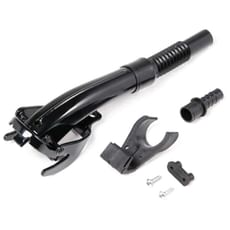
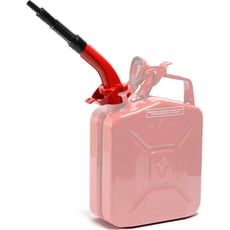
Nozzles and pourers are indispensable accessories for the safe and controlled transfer of liquids from jerry cans and fuel containers. Whether you're decanting petrol, diesel, oils, or other fluids on site or in your workshop, the right pouring spout prevents spillages, reduces waste, and helps ensure compliance with environmental and safety regulations. These practical accessories transform a standard jerry can into a precision pouring tool, making liquid handling cleaner, safer, and more efficient for tradespeople and DIY enthusiasts alike.
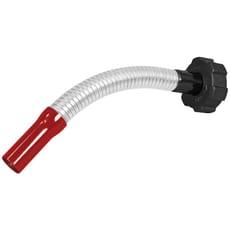
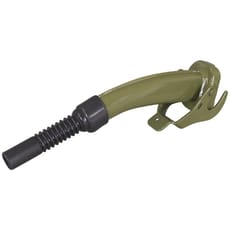
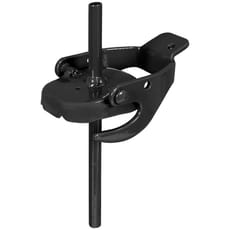
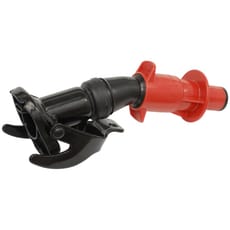
The selection at Tooled-Up.com includes flexible spouts for hard-to-reach applications, smart spouts with automatic shut-off features, and various adaptors to suit different container types and lid configurations. From single-tube and double-tube jerry can adaptors to specialised flexible diesel and petrol pouring spouts, these products are designed to prevent back-flow and air-lock issues whilst delivering smooth, controlled dispensing. The range features trusted brands including Sealey, Faithfull, Handy, and Sirius, all engineered to withstand the demands of professional trade work and frequent use.
Available in various lengths and diameters, these nozzles and pourers are compatible with both metal and plastic jerry cans in the most common capacities from 5 litres to 20 litres. Whether you're a mobile mechanic, groundskeeper, agricultural contractor, or site operative, having the correct pouring equipment ensures you can work efficiently whilst minimising the risk of contamination, spillage, and environmental damage. Many products conform to PCR2014 regulations and feature rustproof materials for long-term durability.
Jargon Buster
- Smart Spout: An advanced pouring spout featuring automatic shut-off technology that stops liquid flow when the receiving container reaches capacity, preventing overfilling and spillages without requiring constant supervision.
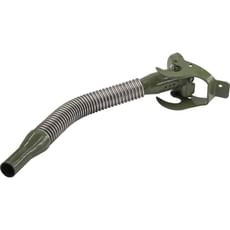
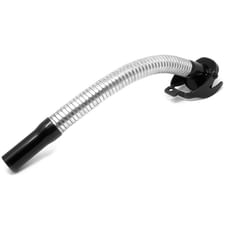
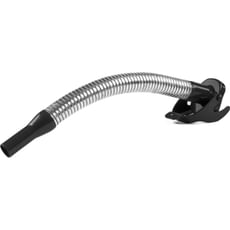
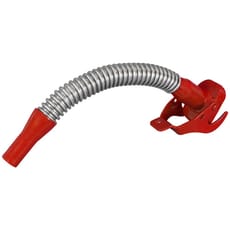
- Flexible Spout: A pouring tube manufactured from bendable materials such as rubber or flexible metal that allows you to reach awkward angles and tight spaces, particularly useful when filling machinery fuel tanks or equipment with recessed filling points.
- Jerry Can Adaptor: A threaded or push-fit attachment that replaces the standard cap on a jerry can, allowing you to connect pouring spouts whilst providing a secure seal during storage and transport.
- Double Tube System: A pouring design incorporating two tubes—one for liquid dispensing and one for air return—which eliminates air-lock problems and ensures smooth, controlled pouring without glugging or splashing.
- Breather Tube: The secondary tube in a double-tube system that allows air to enter the container as liquid flows out, maintaining consistent flow rate and preventing vacuum formation that causes interrupted pouring.
- PCR2014 Compliance: Refers to the Petrol Container Regulations 2014, UK legislation governing the design and manufacture of portable petrol containers and their accessories to ensure safety standards are met.
Who Uses Nozzles & Pourers?
Nozzles and pourers are invaluable tools for a wide range of trades and applications, including:
- Mechanics and Mobile Mechanics: For safely transferring fuel and oils when servicing vehicles and machinery in workshops or at customer locations
- Groundskeepers and Gardeners: For refuelling lawnmowers, strimmers, hedge trimmers, and other petrol-powered equipment throughout the working day
- Agricultural Workers and Farmers: For dispensing fuel and oils to tractors, generators, and farm machinery in field locations far from filling stations
- Construction Site Operatives: For refuelling site equipment, compressors, and power generators on building sites where spill prevention is critical
- Landscaping Contractors: For maintaining chainsaws, brush cutters, and other two-stroke equipment during projects
- Plant Hire and Equipment Rental Companies: For efficient refuelling of hire equipment before deployment to customers
- Maintenance Engineers: For topping up hydraulic fluids, oils, and fuels in industrial machinery and plant equipment
- DIY Enthusiasts and Home Users: For safely storing and dispensing fuel for garden equipment and small engines around the home
How to Choose the Right Nozzles & Pourers
Fluid Type Compatibility
Ensure your chosen spout is suitable for the liquid you'll be dispensing. Dedicated petrol and diesel spouts are manufactured from specific materials resistant to fuel degradation. Never use a spout designed for one fuel type with incompatible liquids, as this can cause material breakdown and contamination. Check manufacturer specifications carefully before purchase.
Jerry Can Type and Size
Check whether your containers have screw cap openings or bayonet-style caps, and select compatible adaptors accordingly. Most spouts suit standard 5L, 10L, and 20L jerry cans, but verify compatibility before purchasing. Metal and plastic cans may require different sealing mechanisms to ensure leak-proof connections.
Flexibility Requirements
If you regularly refuel equipment with recessed or awkwardly positioned tanks—such as lawnmowers, generators, or construction machinery—a flexible spout provides significantly better access and control. Rigid spouts work well for straightforward transfers into accessible openings, whilst flexible options with rubber or bendable metal tips prevent damage to receiving containers.
Flow Control Features
For applications where precision matters or where overfilling poses risks, consider smart spouts with automatic shut-off mechanisms. These prevent spills and reduce waste, particularly valuable when working with expensive fuels or hazardous liquids. Standard spouts without shut-off require more careful attention during pouring but are suitable for experienced users.
Tube Configuration
Double-tube systems with breather tubes eliminate glugging and provide smoother, faster flow rates compared to single-tube designs. This makes dispensing quicker and reduces the physical effort required when handling full jerry cans repeatedly throughout the day, improving efficiency on busy sites.
Build Quality and Durability
Professional-grade nozzles from established brands like Sealey and Faithfull offer superior longevity in demanding trade environments. Stainless steel construction provides rustproof performance, whilst quality rubber gaskets ensure leak-free seals. Consider how frequently you'll use the spout and whether it will be subjected to site conditions or vehicle storage when evaluating quality requirements.
Popular Accessories
Enhance your fuel handling and storage capabilities with these complementary products available from Tooled-Up:
- Metal and Plastic Jerry Cans: Available in various capacities and colours for different fuel types, ensuring safe segregation
- Jerry Can Holders and Racks: For secure storage and transport in vehicles and workshops, preventing spillage during transit
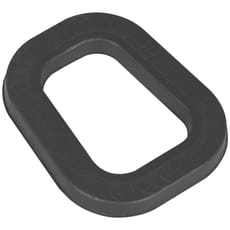
- Replacement Jerry Can Seals: Maintain leak-proof storage with fresh sealing gaskets when originals become worn or damaged
- Funnels and Filters: For additional spill prevention and fuel filtration during transfer operations
- Spill Trays and Drip Mats: Protect work surfaces and comply with environmental regulations during refuelling tasks
- Fuel Storage Cabinets: Secure, compliant storage solutions for workplace environments meeting HSE requirements
- Hand Pumps: Alternative transfer methods for larger volumes or drum containers where pouring isn't practical
- Safety Warning Labels: Clearly identify container contents for workplace safety and COSHH compliance
Safety Information
Fire and Explosion Risks
Always use nozzles and pourers in well-ventilated areas away from ignition sources, naked flames, and hot surfaces. Petrol vapour is heavier than air and can travel considerable distances to ignition sources. Never smoke whilst handling fuels, and ensure all electrical equipment in the vicinity is properly rated for hazardous environments. Be particularly cautious when refuelling equipment with hot engines.
COSHH Compliance
Familiarise yourself with Control of Substances Hazardous to Health (COSHH) regulations governing the storage and handling of fuels and chemicals in UK workplaces. Ensure appropriate risk assessments are conducted and that all operatives receive adequate training in safe fuel handling procedures. Maintain up-to-date safety data sheets for all liquids stored and dispensed.
Environmental Protection
Use quality nozzles and smart spouts to minimise the risk of spills that could contaminate soil, drainage systems, or watercourses. Keep spill kits readily available and ensure you understand the correct procedures for dealing with fuel spillages in accordance with environmental regulations. Report significant spills to the Environment Agency as required.
Proper Storage
When not in use, store jerry cans fitted with pourers in upright positions in cool, dry locations away from direct sunlight. Ensure caps and seals are properly secured to prevent evaporation, contamination, and vapour release. Never store fuel containers in occupied buildings or poorly ventilated spaces. Follow HSE guidance on maximum storage quantities for different premises types.
Material Compatibility
Using the wrong spout type can result in material degradation, leaks, and contamination. Always verify that your chosen nozzle is specifically designed for the liquid you're handling, and inspect spouts regularly for signs of wear, cracking, or chemical damage. Replace damaged components immediately to maintain safety standards.
Frequently Asked Questions
Are flexible spouts suitable for both petrol and diesel?
Most flexible spouts are designed specifically for either petrol or diesel use due to different material compatibility requirements. Always check the manufacturer's specifications and never use a petrol spout for diesel or vice versa, as the materials may degrade and cause contamination. Some universal designs exist, but dedicated spouts offer better longevity and safety. Products clearly marked for specific fuel types ensure compliance with safety regulations.
How do automatic shut-off smart spouts work?
Smart spouts incorporate a valve mechanism that responds to back-pressure. When the receiving tank reaches capacity, liquid covers the spout opening, creating back-pressure that triggers the automatic shut-off valve. This prevents overfilling without requiring constant attention, making them ideal for busy site work or when filling multiple machines sequentially. They're particularly useful when working alone or in situations where distractions are likely.
Can I leave a pouring spout permanently attached to my jerry can?
Whilst many users do leave spouts attached for convenience, best practice for safe storage is to remove the spout after use and replace it with the original sealed cap. This minimises evaporation, reduces the risk of leaks during transport, and helps prevent contamination. If leaving a spout attached, ensure it has a proper closure mechanism and store the can upright in a suitable location away from heat sources and ignition risks.
What's the advantage of double-tube systems over single-tube spouts?
Double-tube systems include a breather tube that allows air to enter the container as liquid flows out, eliminating the vacuum effect that causes glugging and interrupted flow with single-tube designs. This results in faster, smoother pouring with better control, reducing spillage risk and making the task less physically demanding when handling multiple containers. They're particularly beneficial for larger capacity jerry cans where smooth flow significantly improves efficiency.
How often should I replace jerry can seals and spouts?
Inspect seals and spouts regularly for signs of degradation, cracking, hardening, or fuel damage. Replace seals annually or whenever you notice leakage or deterioration. Quality spouts from brands like Sealey and Faithfull can last several years with proper use and storage, but replace immediately if you observe cracks, splits, or material degradation that could compromise safety or cause contamination. Keep spare seals on hand to avoid downtime when replacements are needed.