

Nozzles

Pay in 3 interest-free payments on purchases from £20-£3000 with  . Learn more.

 Loading...
End of content
Error - No more pages to load
About Nozzles
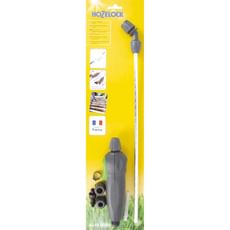
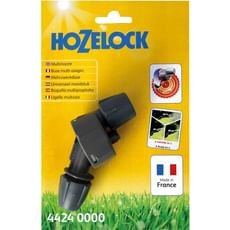
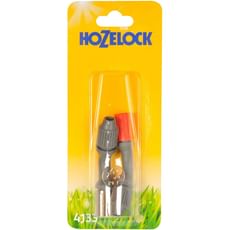
Nozzles are essential components for pressure sprayers, enabling precise control over spray patterns, flow rates, and application methods. Whether treating weeds, applying pesticides, cleaning surfaces, or distributing liquid feeds, the right nozzle attachment determines the effectiveness and efficiency of the task. Tooled-Up.com stocks a comprehensive selection of nozzles designed specifically for pressure sprayer systems, including adjustable jets, cone nozzles, multi-jet options, and specialist weedkiller attachments from leading manufacturers such as Hozelock, Solo, Faithfull, and Matabi.
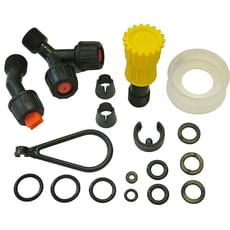
The range available from Tooled-Up includes individual replacement nozzles, complete lance and trigger assemblies, and multi-piece nozzle sets that provide versatility for different applications. Adjustable nozzles offer the flexibility to switch between fine mist and concentrated jet patterns, whilst specialist designs like weeding nozzles and weedkiller cones ensure chemicals are applied precisely where needed, minimising waste and environmental impact. Service kits containing replacement seals and washers are also available to maintain optimal performance and extend the working life of pressure sprayer equipment.
From colour-coded cap sets that prevent cross-contamination between different chemicals to articulated nozzles that reach awkward locations with 360-degree manoeuvrability, these accessories transform basic pressure sprayers into professional-grade application systems suitable for demanding trade use and serious gardening projects alike.
Jargon Buster
- Adjustable Nozzle: A nozzle fitting that allows the user to alter the spray pattern from a fine mist to a concentrated jet stream by rotating or adjusting the nozzle head, providing versatility for different applications without changing attachments.
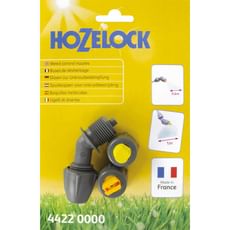
- Cone Nozzle: A nozzle design that produces a conical spray pattern, ideal for targeted application of weedkillers and chemicals. Round cones create wider coverage whilst narrow cones focus spray into tighter areas.
- Multi-Jet Nozzle: A nozzle featuring multiple spray pattern options in a single unit, typically offering settings such as jet, mist, fan, and cone patterns, eliminating the need to carry multiple separate nozzles.
- Lance Assembly: The complete rod or wand component that connects the trigger mechanism to the nozzle, usually measuring between 30-50cm in length and providing comfortable reach for ground-level applications.
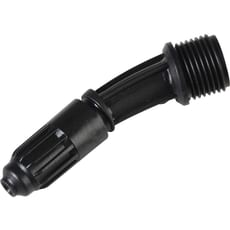
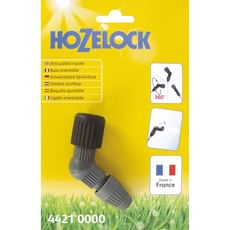
- Articulated Nozzle: A flexible nozzle with a swivel joint that allows 360-degree rotation, enabling spray application in awkward locations such as underneath foliage or into tight spaces without straining the wrist.
- Service Kit: A collection of replacement seals, washers, O-rings, and gaskets designed to maintain pressure sprayer performance by replacing worn components that can cause leaks or pressure loss.
Who Uses Nozzles?
- Gardeners and Landscapers: For applying fertilisers, pesticides, and herbicides across lawns, borders, and planted areas with precision and control.
- Groundskeepers: Maintaining sports pitches, parks, golf courses, and public spaces requiring regular treatment with liquid feeds and weed control products.
- Agricultural Workers: Treating crops, controlling pests, and applying nutrients in smallholding and farming environments where targeted chemical application is essential.
- Pest Control Professionals: Applying insecticides and treatments in commercial and residential properties, requiring different spray patterns for various infestation scenarios.
- Property Maintenance Contractors: Cleaning surfaces, treating algae and moss on pathways, patios, and building exteriors using appropriate pressure sprayer nozzles.
- Allotment Holders and Keen Gardeners: DIY enthusiasts maintaining vegetable plots and ornamental gardens who require professional-quality application equipment for sustainable growing practices.
- Highway and Council Maintenance Teams: Controlling vegetation growth along roadsides, pavements, and public areas where precise weedkiller application minimises environmental impact.
How to Choose the Right Nozzles
Compatibility with Existing Equipment: Ensure the nozzle matches your pressure sprayer brand and model. Hozelock nozzles are designed for Hozelock sprayer systems, whilst Solo and Matabi produce manufacturer-specific fittings. Universal adjustable nozzles offer broader compatibility but always verify thread sizes and connection types before purchasing.
Application Requirements: Consider the primary task. Weedkiller cones provide concentrated, low-drift application for herbicides, whilst multi-jet nozzles suit users needing versatility across different jobs. Fine mist settings work best for foliar feeds and insecticides, whereas jet patterns are ideal for cleaning and reaching distant targets.
Spray Pattern Options: Adjustable nozzles offering variable patterns provide excellent value for users performing diverse tasks, eliminating the need for multiple separate attachments. Fixed-pattern nozzles excel in specialist applications where consistency and repeatability are paramount, such as commercial pest control or agricultural spraying.
Build Quality and Materials: Brass nozzles offer superior durability and chemical resistance compared to plastic alternatives, making them worthwhile investments for professional users. Check seals and O-rings are included or available as service kits to maintain performance over time.
Complete Sets versus Individual Components: Multi-piece nozzle sets provide comprehensive solutions for users needing flexibility across various applications, whilst individual replacement nozzles suit those replacing worn or damaged components. Lance and trigger assemblies are useful when refurbishing older sprayers or upgrading to longer reach options.
Colour Coding Systems: For users managing multiple chemicals or sharing equipment across different applications, colour-coded nozzle caps prevent dangerous cross-contamination between herbicides, pesticides, and fertilisers, supporting COSHH compliance and safe working practices.
Popular Accessories
- Pressure Sprayers: Knapsack and handheld models in various capacities (5, 7, 10, and 16 litres) to complement nozzle attachments
- Extension Lances: Longer wands for reaching elevated areas and reducing bending during ground-level applications
- Replacement Seals and Service Kits: Washers, O-rings, and gaskets to maintain leak-free operation
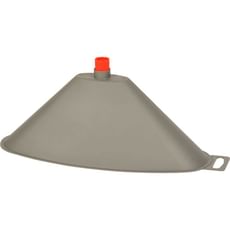
- Spray Deflectors and Shields: Attachments that prevent overspray when treating weeds near desirable plants
- Chemical-Resistant Gloves: Essential PPE when handling herbicides, pesticides, and concentrated cleaning solutions
- Measuring Jugs and Mixing Containers: For accurate dilution of concentrated chemicals
- Trigger Assemblies: Replacement or upgraded trigger mechanisms for improved comfort during extended use
- Nozzle Filters and Strainers: Preventing blockages from particulate matter in spray solutions
Safety Information
Chemical Handling: Always wear appropriate personal protective equipment including chemical-resistant gloves, eye protection, and respiratory protection when operating pressure sprayers with pesticides or herbicides. Follow COSHH regulations and manufacturer instructions for all chemical products being applied.
Cross-Contamination Prevention: Never use the same nozzle for herbicides and other applications without thorough cleaning. Residual weedkiller can damage desirable plants even after rinsing. Colour-coded nozzle systems help maintain dedicated equipment for specific chemical types.
Pressure Release: Before removing or changing nozzles, always release pressure from the sprayer system completely to prevent sudden spray discharge. Check the trigger is locked in the off position during nozzle changes.
Maintenance and Inspection: Regularly inspect nozzles, seals, and O-rings for wear, damage, or blockages. Worn components can cause leaks, uneven spray patterns, and pressure loss. Replace service kit components as recommended by manufacturers to maintain safe operation.
Environmental Considerations: Select appropriate nozzle types to minimise drift and overspray, particularly on windy days or when working near water courses, wildlife habitats, or neighbouring properties. Cone nozzles and low-drift designs reduce environmental impact when applying chemicals.
Frequently Asked Questions
Are nozzles interchangeable between different pressure sprayer brands?
Whilst some adjustable nozzles offer universal compatibility, most manufacturers produce nozzles specifically designed for their own sprayer systems. Hozelock nozzles fit Hozelock sprayers, Solo accessories suit Solo equipment, and so forth. Thread sizes and connection mechanisms vary between brands, so always check compatibility before purchasing. The Tooled-Up range includes brand-specific options clearly identified in product descriptions.
How often should I replace nozzles and seals on my pressure sprayer?
Replace nozzles when spray patterns become uneven, blockages occur frequently, or visible wear appears on threads and seals. Service kits containing replacement washers and O-rings should be fitted annually for regular users or whenever leaks develop around connections. Professional users applying abrasive or corrosive chemicals may require more frequent replacement to maintain optimal performance.
What's the difference between a cone nozzle and an adjustable nozzle?
Cone nozzles produce a fixed conical spray pattern ideal for targeted weedkiller application with minimal drift, making them perfect for precise herbicide work. Adjustable nozzles allow users to vary the spray pattern from fine mist to concentrated jet by rotating the nozzle head, providing versatility for different tasks without changing attachments. Choose cone nozzles for specialist weed control and adjustable options for general-purpose applications.
Can I use the same nozzle for weedkiller and fertiliser applications?
This is not recommended due to cross-contamination risks. Even trace amounts of herbicide residue can damage plants when applying fertiliser. Maintain separate, colour-coded nozzles and lances for different chemical types, or thoroughly clean equipment with appropriate neutralising agents between uses. Many professionals keep dedicated sprayers for herbicides and separate equipment for fertilisers and pesticides.
Why does my nozzle keep blocking during use?
Blockages typically result from particulate matter in spray solutions, concentrated chemicals that haven't been properly dissolved, or scale build-up from hard water. Always strain solutions before filling sprayers, ensure chemicals are fully dissolved according to manufacturer instructions, and flush nozzles with clean water after each use. Installing inline filters between the lance and nozzle prevents debris from reaching the nozzle orifice. Regular cleaning and proper storage also reduce blockage issues.