

Nozzles
Pay in 3 interest-free payments on purchases from £30-2000 with  . Learn more.
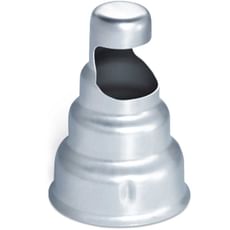
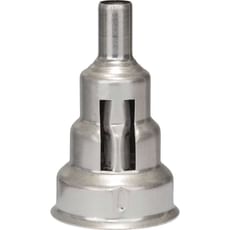
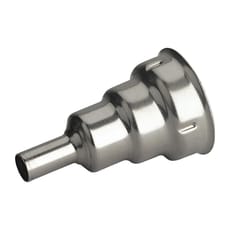
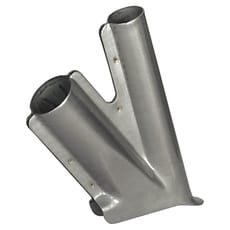
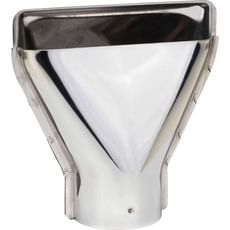
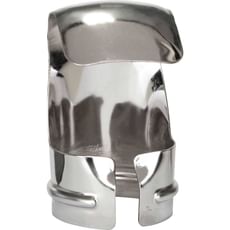
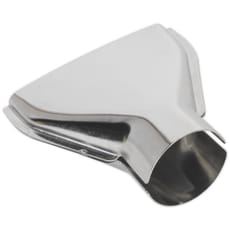
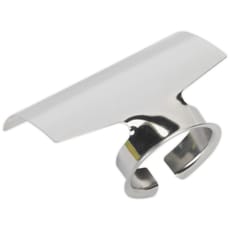
 Loading...
End of content
Error - No more pages to load
About Nozzles
Heat gun nozzles are essential accessories that transform a standard hot air tool into a versatile piece of equipment capable of tackling specialist tasks with precision. These attachments direct and shape the flow of hot air, allowing tradespeople and DIY enthusiasts to concentrate heat exactly where it's needed. From reducing nozzles that focus heat onto small surfaces for delicate soldering work, to wide scraper nozzles designed for paint stripping across larger areas, each type serves a specific purpose in professional and domestic applications.
The selection at Tooled-Up.com includes nozzles compatible with leading heat gun manufacturers including Bosch Professional, Steinel, Sealey, and Draper. Available designs range from flat jet nozzles for uniform heat distribution across surfaces, to reflector nozzles that enable heat shrinking of tubing and cables, and specialist plastic welding nozzles for fabrication work. Ceramic nozzles offer superior heat resistance for prolonged use at high temperatures, whilst protective guard cages provide essential safety when working in confined spaces or near flammable materials.
Many heat gun users underestimate the importance of having the correct nozzle attachment for their specific task. Using the appropriate nozzle not only improves work quality and efficiency but also extends the life of the heat gun itself by ensuring proper airflow and preventing overheating. Whether you're stripping paint from window frames, bending plastic pipes, removing adhesive labels, or carrying out automotive vinyl wrapping, there's a specialised nozzle designed to make the job safer and more effective.
Jargon Buster
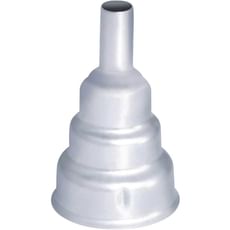
- Reduction Nozzle: A tapered attachment that concentrates the hot air stream into a narrower jet, typically half the diameter of the standard outlet. Ideal for precision work such as desoldering electronic components or heating small fixings without affecting surrounding materials.
- Reflector Nozzle: A curved or angled nozzle that wraps around pipes, tubes, or cables to distribute heat evenly around the circumference. Commonly used for heat-shrink tubing applications and bending plastic pipes.
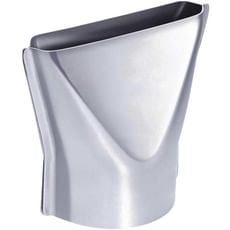
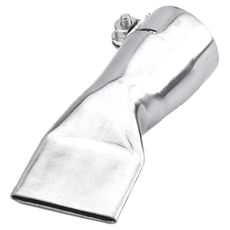
- Flat Jet Nozzle: Also known as a slot nozzle, this attachment creates a wide, thin stream of hot air perfect for removing paint, varnish, or adhesives from flat surfaces efficiently.
- Fish Tail Nozzle: A flattened nozzle with a wider opening that spreads hot air across a broader area, useful for paint removal and thawing frozen pipes.
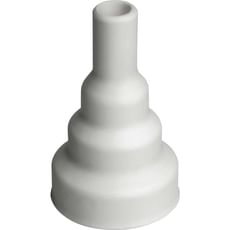
- Ceramic Nozzle: A heat-resistant nozzle manufactured from ceramic material that can withstand prolonged exposure to extreme temperatures without degrading, making it suitable for industrial applications.
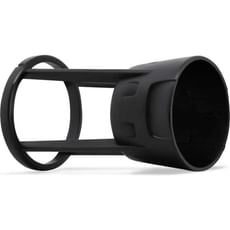
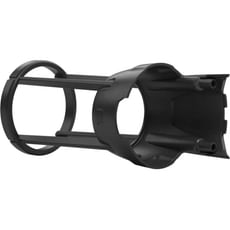
- Guard Cage: A protective shield that fits around the nozzle to prevent accidental contact with hot surfaces and to protect the heat gun when working in tight spaces.
Who Uses Nozzles?
Heat gun nozzles are regularly used by a diverse range of trades and hobbyists:
- Decorators and Painters: For efficient paint and varnish removal from various surfaces
- Vehicle Body Repairers: Applying and shaping vinyl wraps, removing decals, and paint stripping
- Electricians: Heat-shrinking cable insulation and removing wire insulation
- Plumbers: Bending plastic pipes, thawing frozen pipes, and removing old sealant
- Electronics Technicians: Precision soldering and desoldering of components
- Plastic Fabricators: Welding thermoplastics and forming plastic sheets
- Automotive Technicians: Removing tinted film, freeing seized fixings, and paintwork repairs
- Carpenters and Joiners: Stripping paint from timber and loosening adhesive bonds
- Model Makers and Craft Enthusiasts: Precision heating for detailed work
- DIY Enthusiasts: Home renovation, furniture restoration, and general repair tasks
How to Choose the Right Nozzles
Compatibility: The most critical factor is ensuring the nozzle fits your specific heat gun model. Manufacturers typically design nozzles for their own heat gun ranges, so always check compatibility before purchasing. Tooled-Up stocks nozzles for popular brands including Bosch Professional, Steinel, Sealey, and Draper, with clear compatibility information provided for each product.
Task Requirements: Consider the applications you'll be undertaking most frequently. If you regularly work on stripping paint from large flat surfaces, a wide flat jet or fish tail nozzle will be most efficient. For electronics work or small repairs, a reduction nozzle provides the precision required. Those working with pipes and cables should consider reflector nozzles for even heat distribution.
Material Construction: Standard steel nozzles suit most general applications, but if you're working at high temperatures for extended periods, ceramic nozzles offer superior heat resistance and longevity. They're particularly valuable in industrial settings where heat guns operate continuously.
Safety Features: If you frequently work in confined spaces or near combustible materials, invest in nozzles with guard cages. These protective shields prevent accidental contact with hot surfaces and reduce the risk of igniting nearby materials.
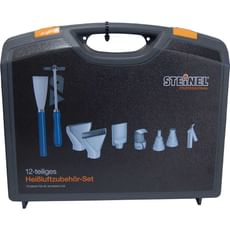
Accessory Sets: For professionals who require versatility, complete nozzle sets provide excellent value and ensure you have the right attachment for various tasks. Sets typically include reduction, flat jet, reflector, and protective accessories, eliminating the need to purchase individual nozzles separately.
Popular Accessories
- Heat Guns: The primary tool that nozzles attach to, available in various power ratings from 1600W to 2400W for 240v models
- Scraper Attachments: Purpose-designed scrapers that work alongside heat guns for paint and adhesive removal
- Heat-Resistant Gloves: Essential PPE when working with hot air tools and attachments
- Paint Scrapers and Shave Hooks: Hand tools for removing softened paint and varnish
- Heat Gun Stands: Allows hands-free operation and safe cooling of equipment
- Replacement Air Filters: Maintains optimal airflow and protects the heat gun motor
- Protective Cases: Storage solutions for heat guns and multiple nozzle attachments
- Heat-Shrink Tubing: Cable management consumables used with reflector nozzles
Safety Information
Heat gun nozzles become extremely hot during operation and retain heat for considerable periods after switching off. Always allow nozzles to cool completely before attempting to change or remove them, and never touch them with bare hands immediately after use. When working with heat guns and nozzles, ensure adequate ventilation as heating certain materials can release toxic fumes – this is particularly important when removing old paint that may contain lead, or when working with plastics.
Always wear appropriate PPE including heat-resistant gloves and safety glasses. When stripping paint or working with materials that may release harmful particles, respiratory protection conforming to HSE guidance should be worn. Keep a fire extinguisher nearby when using heat guns, especially when working with flammable materials or in environments containing combustible substances. Never direct hot air towards yourself, other people, or flammable materials, and ensure guard cages are fitted when working in confined spaces.
Regularly inspect nozzles for damage, cracks, or deformation. Damaged nozzles can affect airflow, potentially causing the heat gun to overheat, and may break during use, creating a safety hazard. Always disconnect the heat gun from the 240v mains supply before changing nozzles, and ensure attachments are securely fitted before starting work.
Frequently Asked Questions
Can I use nozzles from different manufacturers on my heat gun?
Generally, no. Heat gun nozzles are manufacturer-specific and designed to fit particular model ranges. Using incompatible nozzles can result in poor fit, reduced performance, and potential safety hazards. Always purchase nozzles designed for your specific heat gun model to ensure proper fit and safe operation.
How do I clean heat gun nozzles?
Allow the nozzle to cool completely, then remove any debris or material build-up using a wire brush or appropriate cleaning tool. For stubborn residue, particularly from plastic welding applications, you may need to heat the nozzle briefly to soften the material before scraping it away. Never immerse hot nozzles in water as this can cause warping or damage.
Why do some nozzles cost significantly more than others?
Price variations typically reflect the materials used and the specialisation of the nozzle. Ceramic nozzles command higher prices due to their superior heat resistance and durability. Complete accessory sets, whilst appearing expensive, often represent better value than purchasing individual nozzles separately. Basic reduction and flat jet nozzles are generally the most affordable options.
Do I need multiple nozzles or will one universal attachment suffice?
Whilst you can complete many tasks with a standard nozzle, having task-specific attachments significantly improves efficiency and results. Professional tradespeople typically maintain a selection of nozzles for different applications. For occasional DIY use, a basic set containing a reduction nozzle and flat jet nozzle covers most common tasks. Those using heat guns regularly for varied work should invest in a comprehensive accessory set.
How long do heat gun nozzles typically last?
With proper care and use, quality nozzles should last for years. Ceramic nozzles are particularly durable. The main causes of premature nozzle failure include physical damage from dropping, exposure to excessive temperatures beyond their design specifications, and corrosion from improper storage in damp conditions. Always store nozzles in a dry environment and avoid subjecting them to sudden temperature changes.