

Nut Splitters

Pay in 3 interest-free payments on purchases from £20-£3000 with  . Learn more.
 Loading...
End of content
Error - No more pages to load
About Nut Splitters
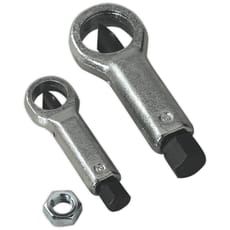
Nut splitters are indispensable hand tools engineered to remove seized, corroded, or rounded nuts without causing damage to the underlying bolt or stud thread. When fasteners become rusted solid through years of exposure to moisture, road salt, or harsh working environments, these specialised tools provide a controlled solution that avoids the risks associated with destructive removal methods. The nut splitter works by driving a hardened cutting blade into one flat face of the nut, applying concentrated force that splits the nut cleanly along its length, allowing it to be removed and replaced whilst preserving the threaded stud for immediate reuse.
Available in various capacity ranges to accommodate different fastener sizes, nut splitters typically feature a robust drop-forged steel body with a precision-ground cutting blade manufactured from hardened chrome molybdenum steel. The splitting action is controlled by turning a hex drive socket with an Allen key, which advances the cutting blade progressively through the nut material. This makes them essential for automotive repair, machinery maintenance, marine engineering, agricultural work, and general industrial applications where seized fasteners are a common challenge. Professional nut splitter sets usually include multiple pieces covering metric sizes from 9mm up to 27mm, ensuring tradespeople have the right tool for virtually any seized nut situation encountered on site.
Quality nut splitters from trusted manufacturers like Sealey and Draper are built to withstand the demanding conditions of professional use. Unlike angle grinders, oxy-acetylene torches, or other destructive methods, nut splitters offer a safer, more controlled approach that protects surrounding components, eliminates fire risks, and preserves thread integrity. The chemically blackened or plated finishes on premium tools provide corrosion resistance, whilst the hardened and tempered construction maintains cutting edge sharpness through hundreds of applications, making them a cost-effective investment for any serious toolkit.
Jargon Buster
- Hardened Cutting Blade: The chisel-like component manufactured from heat-treated chrome molybdenum or tool steel that applies focused pressure to split through the nut material. The hardening and tempering process ensures the blade remains sharp and effective even when working with corrosion-resistant or high-tensile fasteners.
- Throat Depth: The distance from the cutting blade to the back of the tool's frame, which determines how far along a stud or bolt the nut splitter can reach when access is restricted by surrounding components, bodywork, or tight spaces commonly encountered in vehicle maintenance.
- Hex Drive: The hexagonal socket that accepts a standard Allen key or hex wrench to apply turning force that advances the cutting blade into the nut. Common sizes include 8mm, 10mm, and 12mm hex drives depending on the tool capacity and force requirements.
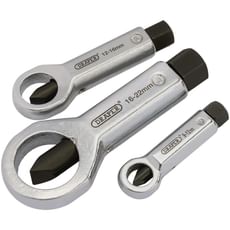
- Capacity Range: The minimum and maximum nut sizes (typically expressed in metric measurements) that a particular nut splitter can accommodate. Professional sets often include multiple splitters to cover ranges such as 9-12mm, 12-16mm, and 16-22mm for comprehensive coverage.
- Drop Forged Construction: A manufacturing process where heated steel is shaped under extreme pressure, creating a tool body with superior strength, durability, and resistance to deformation compared to cast or fabricated alternatives, essential for withstanding the high forces involved in splitting hardened nuts.
- Thread Preservation: The primary advantage of nut splitters—the ability to remove a damaged or seized nut whilst leaving the bolt or stud thread completely undamaged and immediately reusable, avoiding costly component replacement and reducing downtime on repair jobs.
Who Uses Nut Splitters?
- Motor Mechanics and Vehicle Technicians: Removing corroded exhaust manifold nuts, suspension fasteners, brake caliper bolts, and seized engine components on older vehicles where corrosion is prevalent
- Agricultural Engineers: Maintaining tractors, combine harvesters, and farm machinery exposed to harsh outdoor conditions, mud, and fertiliser residues where seized nuts are an everyday challenge
- Plant and Machinery Fitters: Servicing industrial equipment, production machinery, and long-term installations subject to heat, vibration, and corrosion in manufacturing environments
- Marine Engineers: Working on boats, vessels, and maritime equipment where salt water exposure accelerates fastener corrosion and galvanic reactions between dissimilar metals
- Commercial Vehicle Technicians: Maintaining HGVs, buses, and commercial fleets where larger capacity fasteners and exposure to road salt create frequent seized nut situations
- Plumbers and Heating Engineers: Removing seized nuts on pipework, radiator valves, boiler connections, and central heating systems in older properties
- General Maintenance Engineers: Dealing with seized fasteners across various industrial, commercial, and facilities maintenance scenarios
- DIY Enthusiasts and Restorers: Tackling classic vehicle restoration, machinery refurbishment, and home maintenance projects where decades-old fixings have corroded solid
- Recovery and Breakdown Services: Removing damaged wheel nuts and seized components during roadside repairs where time is critical
How to Choose the Right Nut Splitters
When selecting nut splitters for your toolkit, the capacity range should match the fastener sizes you typically encounter in your trade. Multi-piece sets offer the best value and versatility—a three-piece set covering 9-27mm provides adequate coverage for most automotive and general engineering applications, whilst two-piece sets suit tradespeople working within a narrower size range. Browse the selection at Tooled-Up.com to find sets from Draper and Sealey that match your specific requirements.
Material quality and construction methods are paramount for professional reliability. Look for drop-forged steel bodies that are hardened and tempered, with cutting blades manufactured from chrome molybdenum steel. Premium tools maintain their cutting edge through hundreds of uses, whereas cheaper alternatives may deform or lose sharpness after limited applications. The plated or chemically blackened finishes provide essential corrosion resistance when tools are stored in damp van environments or workshop conditions.
The hex drive size should accept standard Allen keys already in your toolkit—10mm and 12mm are the most common sizes for mid-range capacity splitters. Consider throat depth if you regularly work in confined spaces or need to reach nuts positioned far along a stud, such as exhaust manifold studs recessed into engine blocks. Some designs feature extended reach capabilities specifically for accessing awkward locations on vehicle chassis or machinery frames.
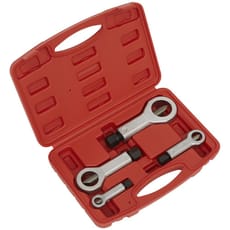
Storage and organisation matter for professional efficiency. Sets supplied in blow-moulded cases or organised pouches keep the splitters protected from damage and readily identifiable in your tool chest or van storage system. For tradespeople who rely on their tools daily, investing in established brands ensures proven performance under demanding site conditions. Check that the stated capacity range clearly suits your applications—having multiple sizes available prevents the temptation to force an incorrectly sized tool, which could damage both the splitter and compromise the workpiece.
Popular Accessories
- Metric Hex Key Sets: Essential for operating the hex drive mechanism on nut splitters, available in standard L-key, T-handle, or ball-end configurations for improved access
- Penetrating Lubricants: Products like Plus Gas, WD-40 Specialist, or release fluids help free seized threads and can significantly reduce the force required when using nut splitters
- Stud Extractors and Easy-Outs: Complementary tools for removing broken studs once the nut has been split and removed, completing the repair process
- Wire Brushes and Rotary Brushes: For cleaning threads and removing rust debris after nut removal to prepare surfaces for new fastener installation
- Replacement Nuts, Bolts and Washers: Keep assorted metric fasteners in stock to replace removed damaged fixings and complete repair jobs efficiently
- Thread Files and Thread Chasers: For cleaning up threads that may have minor damage or corrosion after removing seized nuts, restoring proper thread engagement
- Safety Glasses and Face Shields: Essential PPE meeting BS EN 166 standards when using nut splitters, as metal fragments can be released during the splitting process
- Workshop Vice or Portable Vice: Provides stable mounting for components when using nut splitters on bench work, improving safety and control
- Impact Driver Sets: Useful for loosening seized nuts before splitting becomes necessary, potentially saving time on less severely corroded fasteners
Safety Information
Always wear appropriate eye protection meeting BS EN 166 standards when using nut splitters, as the splitting action produces sharp metal fragments that may be ejected at speed. Safety glasses with side shields or a full face shield provide essential protection against these hazards. Ensure you have a secure grip on the workpiece—using a vice or suitable clamping method prevents slippage that could cause injury or damage to surrounding components.
Inspect your nut splitter before each use for signs of wear, cracks, or damage to the cutting blade or tool body. A compromised tool may fail under load, creating a dangerous situation with potential for sudden metal failure or loss of control. Apply force steadily and progressively through the hex drive rather than using impact or jerky movements, which can cause sudden tool failure. Work in a well-lit area where you can clearly see the tool positioning and ensure the cutting blade is correctly aligned with a flat face of the nut before applying pressure.
When working on vehicles or machinery, ensure the equipment is properly supported on axle stands or suitable supports and cannot move unexpectedly. Never work beneath inadequately supported loads, and follow HSE guidance for safe working practices when maintaining machinery. Be aware that freshly split nuts have extremely sharp edges—handle them carefully using gloves and dispose of them appropriately in a metal waste container to prevent injury to yourself or colleagues. Keep your workspace clear of tripping hazards and ensure adequate lighting when working under vehicles or in confined spaces.
If the nut splitter isn't progressing through the material, stop and reassess rather than applying excessive force which could cause tool failure. Consider whether you're using the correct size tool, whether the cutting blade needs replacing, or whether the nut material is exceptionally hard and requires alternative removal methods. When working with components that have been exposed to heat or chemicals, ensure adequate ventilation and consider whether additional PPE such as respiratory protection may be required.
Frequently Asked Questions
Will a nut splitter damage the bolt or stud thread?
When used correctly, nut splitters are specifically designed to split the nut without damaging the underlying bolt or stud thread. The hardened cutting blade applies force only to the nut body itself, leaving the thread completely intact and immediately reusable once you fit a replacement nut. This thread preservation is the primary advantage over destructive removal methods like angle grinding or cutting, which often damage threads and require complete stud replacement.
What size nut splitter set do I need for automotive work?
For general automotive and light commercial vehicle work, a three-piece set covering 9-27mm provides adequate coverage for most common metric fasteners encountered on exhaust systems, suspension components, and engine work. Professional mechanics working on commercial vehicles, agricultural machinery, or industrial equipment may require larger capacity splitters extending to 30mm or beyond. The Tooled-Up range includes sets from Draper and Sealey suitable for various professional applications.
Can nut splitters work on stainless steel or high-tensile nuts?
Quality hardened nut splitters can split stainless steel nuts, though they require more force than standard mild steel fixings due to stainless steel's greater tensile strength and work-hardening properties. Applying penetrating fluid beforehand and allowing adequate soaking time, then using steady, controlled pressure yields the best results. Very hard stainless grades (such as A4-80) or high-tensile fasteners may require multiple attempts or alternative removal methods including heat application to weaken the material.
How do I know which way to position the nut splitter correctly?
Position the nut splitter so the hardened cutting blade sits squarely against one flat face of the hexagonal nut, with the tool body parallel to the bolt axis. The opposite side of the splitter's C-shaped opening should contact the opposing flat face of the nut. This alignment ensures even force distribution across the tool and a clean split through the nut body. Incorrect positioning at an angle can cause the blade to slip or damage the tool.
Why won't my nut splitter cut through the nut?
If the cutting blade isn't progressing, first check that you're using the correct size splitter for the nut—an oversized tool won't apply sufficient concentrated force to the material. Ensure the cutting blade is sharp and not damaged from previous use on particularly hard materials. Applying penetrating lubricant and allowing it to soak for several hours or overnight can soften corrosion, making splitting considerably easier. Very hard, thick-walled, or high-tensile nuts may simply require more turning force on the hex drive, or the nut material may exceed the tool's capacity, requiring a larger splitter or alternative removal method.