

Nylon Cup Brushes
Pay in 3 interest-free payments on purchases from £30-2000 with  . Learn more.
 Loading...
End of content
Error - No more pages to load
About Nylon Cup Brushes
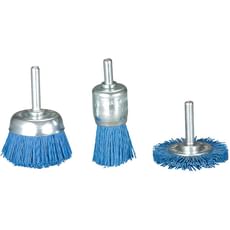
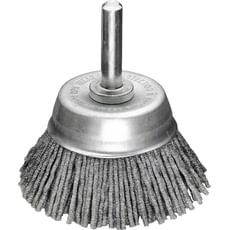
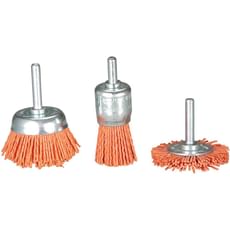
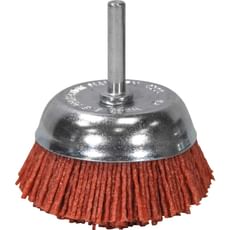
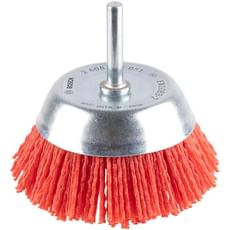
Nylon cup brushes are versatile rotary accessories designed for cleaning, surface preparation, and finishing applications across a wide range of materials. Unlike traditional wire brushes, nylon cup brushes feature flexible synthetic bristles that are often impregnated with abrasive grains, allowing them to effectively clean and prepare surfaces without causing damage to softer materials. These brushes attach to angle grinders, drills, or die grinders, making them essential tools for metalworkers, fabricators, and maintenance professionals who need controlled cleaning power.
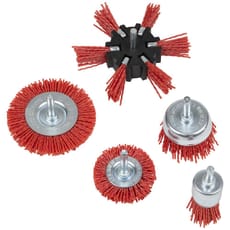
The category available at Tooled-Up.com includes various configurations and grit levels suited to different tasks. Coarser nylon cup brushes excel at removing rust, corrosion, paint, and surface oxidation from steel and non-ferrous metals, while finer grades are ideal for achieving smooth finishes on painted wood, plastic, and delicate metal surfaces. Many products come in convenient multi-piece sets, offering flexibility across different applications with hex shank or threaded arbor fittings compatible with standard power tools.
Trusted manufacturers represented in this category include Bosch Professional, Makita, Sealey, Faithfull, Lessmann, and Flexipads, each offering specialised solutions for professional tradespeople and serious DIY enthusiasts. Whether you're preparing surfaces for welding, removing light corrosion, or achieving a consistent finish on mixed materials, nylon cup brushes provide the controlled abrasion needed without the aggressive cutting action that can gouge or damage workpieces.
Jargon Buster
- Abrasive Grain: Hard particles such as silicon carbide or aluminium oxide embedded within the nylon bristles to enhance cutting and cleaning performance on various materials.
- Arbor: The shaft or mounting system that attaches the cup brush to a power tool, typically featuring threaded connections (M14 is common in the UK) or hex shanks for quick-change drill chucks.
- Cup Brush: A rotary brush with bristles arranged in a cup-shaped configuration, designed to work flat against surfaces for efficient cleaning and preparation over larger areas.
- Grit Grade: The classification indicating the coarseness or fineness of the abrasive particles in the bristles—coarser grits remove material faster, while finer grits produce smoother finishes.
- Maximum RPM: The highest safe rotational speed at which a cup brush can operate, critical for preventing bristle failure and ensuring operator safety during use.
- Non-Ferrous Metal: Metals that don't contain significant amounts of iron, such as aluminium, copper, brass, and bronze, which require gentler cleaning methods to avoid surface damage.
Who Uses Nylon Cup Brushes?
- Metal Fabricators & Welders: For pre-weld surface preparation and post-weld cleaning without damaging base materials
- Automotive Technicians: Removing rust, corrosion, and old gasket material from engine components and chassis parts
- Maintenance Engineers: Cleaning machinery components, removing oxidation, and preparing surfaces for repainting or coating
- Painters & Decorators: Preparing painted surfaces, removing flaking paint, and creating keys for new coatings
- Boat Builders & Marine Engineers: Cleaning gel coat, removing barnacles, and preparing fibreglass surfaces without causing damage
- General Builders: Surface preparation tasks across construction projects involving mixed materials
- DIY Enthusiasts: Restoration projects, furniture refinishing, and general workshop cleaning tasks
- Tool & Equipment Refurbishers: Cleaning and restoring vintage tools and machinery without removing original finishes
How to Choose the Right Nylon Cup Brushes
Material Compatibility: Consider what you'll be cleaning. Abrasive nylon brushes handle steel and harder materials effectively, whilst standard nylon bristles suit plastics, aluminium, and painted surfaces. Tooled-Up stocks brushes specifically designed for multi-material applications if you work across diverse substrates.
Grit Level: Coarse grits remove heavy rust, paint, and corrosion quickly but leave more visible scratch patterns. Fine grits provide gentler cleaning and smoother finishes, ideal for delicate materials or final preparation stages. Many professionals invest in sets containing multiple grit grades for complete flexibility.
Mounting System: Verify compatibility with your existing tools. Threaded arbors (commonly M14 in the UK) suit most angle grinders, whilst hex shank designs fit standard drill chucks and quick-change systems. Some brushes include adaptors for multiple tool types.
Brush Diameter: Larger diameter brushes (75-100mm) cover more surface area quickly, making them efficient for extensive cleaning tasks. Smaller diameters provide better access to confined spaces and intricate areas.
Power Tool Specification: Match the brush's maximum RPM rating to your tool's operating speed. Angle grinders typically run faster than drills, so ensure the brush is rated appropriately. Using 240v corded tools generally provides consistent power for sustained use on demanding applications.
Set vs Individual: Multi-piece sets from brands like Makita and Sealey offer excellent value and versatility, providing various sizes and grit levels in one package. Individual brushes suit specific replacement needs or specialised applications.
Popular Accessories
- Angle Grinders: The primary power tool for operating cup brushes, available in various power ratings and sizes
- Drill/Drivers: For lower-speed applications with hex shank cup brushes
- Quick-Change Adapters: Allow rapid switching between different brush types and accessories
- Safety Visors & Goggles: Essential eye protection against flying debris and bristle particles
- Dust Extraction Attachments: Minimise airborne particles during cleaning operations
- Work Gloves: Protective gloves with good grip for secure tool control
- Wire Cup Brushes: Complementary steel or brass wire options for more aggressive material removal
- Abrasive Discs: Alternative surface preparation accessories for different finishing requirements
- Respiratory Protection: Dust masks or respirators for extended use in confined spaces
Safety Information
Personal Protective Equipment: Always wear appropriate eye protection—flying bristles and debris pose serious injury risks. Safety goggles or a full-face visor provide essential protection. Wear work gloves to maintain secure tool control and protect hands from rotating brushes. Respiratory protection is advisable when working in enclosed spaces or with materials that produce hazardous dust.
Speed Ratings: Never exceed the maximum RPM marked on the brush. Operating beyond rated speeds can cause bristle failure and potentially dangerous brush disintegration. Verify your power tool's speed is compatible before use, particularly with high-speed angle grinders.
Secure Mounting: Ensure brushes are properly tightened to their arbors before operation. Loose attachments can detach during use, creating serious hazards. Disconnect tools from power sources (unplug 240v tools or remove batteries) when changing accessories.
Work Environment: Maintain good ventilation when using nylon cup brushes, as they generate fine dust particles. The HSE recommends adequate extraction or ventilation for prolonged grinding and surface preparation activities. Keep work areas clear of flammable materials, as friction can generate heat and sparks.
Tool Control: Maintain firm two-handed grip on power tools during operation. Allow the brush to reach full speed before contacting the workpiece, and avoid applying excessive pressure—let the abrasive bristles do the work. Secure workpieces properly to prevent movement during cleaning operations.
Frequently Asked Questions
What's the difference between nylon cup brushes and traditional wire brushes?
Nylon cup brushes feature synthetic bristles that are significantly less aggressive than steel or brass wire brushes. They're designed for cleaning applications where you need to preserve the base material rather than remove it. The abrasive particles embedded in nylon bristles provide controlled cleaning action suitable for softer metals, plastics, painted surfaces, and composite materials that wire brushes would damage or scratch excessively.
Can I use nylon cup brushes on an angle grinder?
Yes, most nylon cup brushes available from Tooled-Up are specifically designed for angle grinders with threaded M14 arbors. However, always verify the brush's maximum RPM rating matches or exceeds your grinder's operating speed. Angle grinders typically run at 10,000-12,000 RPM, so ensure your chosen brush is rated accordingly. Some brushes with hex shanks are better suited to slower-speed drills rather than high-speed grinders.
How long do nylon cup brushes typically last?
Longevity depends on application intensity, material being cleaned, and operating conditions. With proper use at correct speeds and appropriate pressure, quality brushes from brands like Bosch Professional or Makita can handle numerous projects. The abrasive grains gradually wear down with use, reducing effectiveness over time. Replace brushes when bristles become excessively worn, frayed, or when cleaning performance noticeably diminishes.
Are nylon cup brushes suitable for rust removal?
Abrasive nylon cup brushes effectively remove light to moderate surface rust, corrosion, and oxidation without significantly damaging the underlying metal. They're particularly useful for cleaning non-ferrous metals where wire brushes might embed ferrous particles and cause contamination. For heavy rust removal, wire cup brushes or more aggressive methods may be more efficient, but nylon brushes excel at final cleaning and surface preparation stages.
Do I need different brushes for different materials?
Multi-material nylon brushes handle various substrates adequately for general applications. However, having different grit grades provides better results—coarser grades for steel and heavy cleaning, finer grades for aluminium, plastics, and finishing work. Professional users often maintain sets with multiple specifications to optimise results across different projects and materials without risking damage to delicate surfaces.