

Nylon Hammers
Pay in 3 interest-free payments on purchases from £30-2000 with  . Learn more.
 Loading...
End of content
Error - No more pages to load
About Nylon Hammers
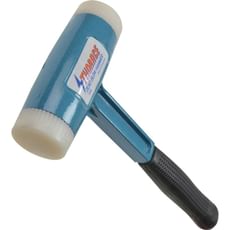
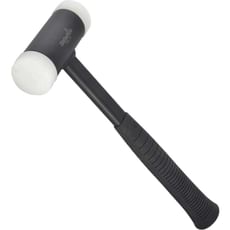
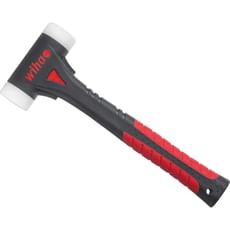
Nylon hammers are essential soft-faced striking tools designed to deliver controlled impacts without damaging delicate surfaces or workpieces. Unlike traditional steel hammers, nylon hammers feature heads made from durable nylon material that absorbs impact energy while providing sufficient striking force for assembly, adjustment, and light fabrication work. These versatile tools are indispensable across numerous industries where surface protection is paramount, from engineering workshops to furniture making and automotive assembly.
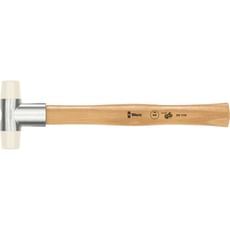
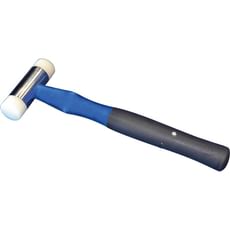
The range available from Tooled-Up.com includes various nylon hammer designs to suit different applications. Standard nylon hammers feature replaceable nylon faces that screw into chrome-plated heads, allowing worn faces to be replaced economically rather than purchasing a complete new hammer. Dead blow nylon hammers contain steel shot or sand filling that eliminates rebound and delivers more effective striking force, whilst anti-vibration models incorporate damping technology to reduce operator fatigue during prolonged use. Professional brands such as Wiha, Thor, Hultafors, Faithfull, and Wera offer hammers with ergonomic handles, non-slip grips, and precisely balanced heads for optimal control.
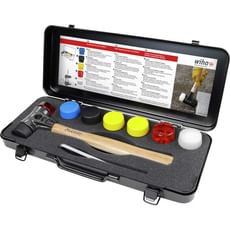
Nylon hammers typically range from lightweight 300g models for delicate assembly work through to heavier 900g versions for more demanding applications. Many feature hickory or fibreglass handles that combine strength with vibration damping properties, whilst some incorporate interchangeable face systems allowing a single hammer to adapt to different tasks. The soft nylon striking surface prevents marring of finished metals, plastics, wood, and other materials whilst still providing sufficient force for positioning components, tapping parts into alignment, and general assembly operations.
Jargon Buster
- Dead Blow Hammer: A nylon hammer with a hollow head filled with steel shot or sand that eliminates bounce-back and delivers maximum striking energy to the workpiece without rebound, improving control and reducing operator fatigue.
- Soft-Faced Hammer: Any hammer with a striking surface made from materials softer than steel, such as nylon, rubber, or plastic, designed to prevent damage to delicate surfaces whilst providing adequate striking force.
- Replaceable Faces: Interchangeable nylon striking surfaces that screw into the hammer head, allowing worn faces to be replaced individually rather than replacing the entire tool, reducing long-term costs.
- Anti-Vibration Technology: Design features such as shock-absorbing handles or internal damping mechanisms that reduce vibrations transmitted to the user's hand and arm, minimising fatigue and repetitive strain injury risk.
- Non-Marring: The property of nylon and other soft materials that prevents visible damage, dents, or scratches when striking finished surfaces, polished metals, painted components, or soft materials.
- Head Weight: The mass of the hammer head, typically measured in grams or ounces, which determines the striking force delivered—lighter heads (300-450g) suit precision work whilst heavier heads (600-900g) provide greater impact energy.
Who Uses Nylon Hammers?
- Engineering Fitters: For assembly work involving precision-machined components, bearings, and finished metal parts requiring non-marring strikes
- Cabinet Makers and Joiners: Assembling furniture, fitting joints, and adjusting wooden components without surface damage
- Automotive Technicians: Positioning bodywork panels, fitting trim components, and adjusting parts without damaging paintwork or finishes
- Shop Fitters: Installing display units, shelving systems, and retail fixtures where surface protection is essential
- Double Glazing Installers: Fitting window and door units, tapping frames into position without damaging PVC or aluminium profiles
- Machinists and Tool Makers: Adjusting work-holding equipment, positioning components on machine tables, and general workshop assembly tasks
- Maintenance Engineers: Equipment adjustment, component positioning, and general maintenance work across industrial facilities
- Model Makers and Pattern Makers: Delicate assembly work requiring controlled strikes without material damage
- Plastics Fabricators: Working with acrylic, polycarbonate, and other plastics that scratch or crack easily under steel hammer strikes
- DIY Enthusiasts: Home assembly projects, furniture construction, and general workshop tasks requiring surface-safe striking tools
How to Choose the Right Nylon Hammers
Head Weight: Select hammer weight based on your typical applications. Lighter 300-450g hammers suit precision assembly, electronics work, and delicate components, whilst 600-900g models provide sufficient force for heavier fabrication, structural assembly, and engineering tasks. Consider having multiple weights available for versatility across different projects.
Dead Blow vs Standard: Dead blow hammers eliminate rebound and deliver more effective strikes with less operator effort, making them ideal for repetitive assembly work and reducing fatigue. Standard nylon hammers offer lighter weight and greater sensitivity for precision work where controlled, lighter taps are required. The selection at Tooled-Up includes both configurations from leading manufacturers.
Handle Material: Hickory handles provide traditional feel with natural shock absorption but may split under heavy use. Fibreglass handles offer superior durability and consistent vibration damping, whilst rubber-coated grips enhance comfort during prolonged use. Consider anti-vibration features if using the hammer extensively throughout the working day to minimise hand-arm vibration syndrome risk.
Face Replacement System: Hammers with screw-in replaceable faces offer better long-term value as worn nylon faces can be replaced economically. Check replacement face availability and cost before purchasing. Some premium models feature interchangeable face systems with different materials (nylon, rubber, brass) for enhanced versatility.
Brand Quality: Professional brands such as Wiha, Wera, and Thor manufacture hammers to exacting standards with precisely balanced heads, ergonomic handles, and durable construction that withstand demanding workshop environments. Faithfull and Hultafors offer excellent mid-range options combining quality with affordability for tradespeople and serious DIY users.
Application-Specific Features: Consider specialised designs for particular tasks—flat faces suit general assembly whilst domed faces concentrate force into smaller areas. Some models feature dual-face configurations with different hardness ratings for versatile application. Check overall length to ensure the hammer suits your workspace constraints and striking requirements.
Popular Accessories
- Replacement Nylon Faces: Spare striking faces for screw-in replacement systems, extending hammer lifespan economically
- Tool Rolls and Storage: Organised storage solutions protecting hammers during transport and keeping workshop tools accessible
- Soft Mallets: Complementary rubber or leather mallets for applications requiring even gentler striking force
- Punches and Drifts: Nylon or brass punches for precision positioning work alongside hammer use
- Assembly Blocks: Rubber or wooden blocks protecting workpieces and providing stable striking surfaces
- Work Gloves: Anti-vibration gloves reducing hand fatigue during extended hammer use
- Bench Mats: Protective rubber matting preventing workpiece damage during assembly operations
- Tool Lanyards: Safety tethers preventing dropped tool incidents when working at height
Safety Information
Always inspect nylon hammers before use for cracks, splits, or worn faces that could fail during striking. Replace damaged nylon faces immediately as worn material may expose metal components that could damage workpieces. Ensure handles are securely attached without looseness or damage, particularly where handle meets head. Wear appropriate eye protection when striking as nylon fragments may detach from heavily worn faces.
Use hammers within their designed weight capacity—excessive force can cause premature face wear or handle failure. Never strike hardened steel surfaces with nylon hammers as this accelerates face degradation and may cause unpredictable tool behaviour. Select appropriate hammer weight for the task to avoid repetitive strain injuries from using undersized tools requiring excessive strikes. Follow HSE guidance on hand-arm vibration exposure, particularly when using hammers extensively throughout the working day. Store hammers in dry conditions away from oils and solvents that may degrade nylon material properties.
Frequently Asked Questions
How long do nylon hammer faces typically last?
Face longevity depends on usage intensity and striking surfaces. Professional tradespeople using hammers daily may require face replacement every 3-6 months, whilst occasional users may achieve several years of service. Striking softer materials extends face life considerably compared to repeated impacts on hard surfaces. Quality hammers from brands like Wiha and Thor typically offer superior face durability through optimised nylon compound formulations.
Can nylon hammers replace steel hammers for all applications?
No—nylon hammers are specifically designed for applications requiring surface protection and non-marring strikes. They lack the striking force and durability for heavy fabrication, demolition, or metal-forming tasks where steel hammers remain essential. Nylon hammers excel at assembly, adjustment, and positioning work but shouldn't be used for driving masonry fixings, breaking materials, or striking hardened steel components.
What's the difference between dead blow and standard nylon hammers?
Dead blow hammers contain loose steel shot or sand filling that eliminates bounce-back by absorbing rebound energy, delivering more effective strikes with reduced operator effort. Standard nylon hammers are solid or hollow without filling, offering lighter weight and more tactile feedback for precision work. Dead blow designs reduce fatigue during repetitive striking but typically cost more and weigh significantly more than standard equivalents.
Are more expensive nylon hammers worth the additional cost?
Professional-grade hammers from manufacturers like Wera and Hultafors justify their premium through superior balance, more durable nylon compounds, ergonomic handles with effective vibration damping, and precisely engineered replacement face systems. For tradespeople using hammers daily, premium tools deliver better long-term value through extended service life and reduced operator fatigue. Occasional users may find mid-range options from Faithfull provide adequate performance at lower cost.
How should nylon hammers be maintained?
Keep striking faces clean and free from oil, grease, or solvents that degrade nylon material. Store in dry conditions away from direct sunlight and extreme temperatures. Regularly inspect faces for wear, cracks, or embedded debris that could damage workpieces. Tighten screw-in faces periodically as vibration may gradually loosen connections. Replace worn faces before metal backing becomes exposed. Check handle integrity regularly, particularly at the head connection point where stress concentrates during striking.