

Nylon Wheels
Pay in 3 interest-free payments on purchases from £30-2000 with  . Learn more.
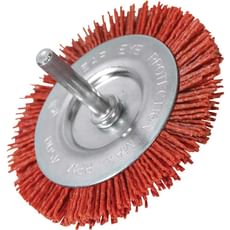
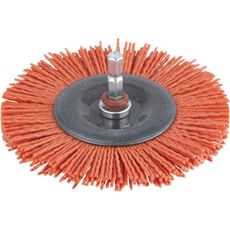
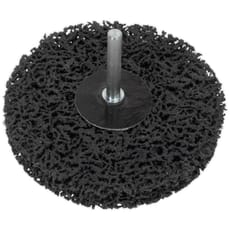
 Loading...
End of content
Error - No more pages to load
About Nylon Wheels
Nylon wheels are specialised abrasive accessories designed for cleaning, finishing and surface preparation tasks across a wide range of materials. Unlike traditional wire brushes, nylon wheel brushes feature durable synthetic bristles impregnated with abrasive grit, offering a gentler yet highly effective alternative for removing rust, paint, corrosion and oxidation from wood, metal and stone surfaces. These versatile tools are ideal for situations where wire brushes might be too aggressive or leave unwanted scratches, making them essential for both heavy-duty industrial applications and precision finishing work.
The nylon wheels available from Tooled-Up.com typically feature a 6mm shank, allowing them to be mounted directly into power drills, die grinders or flexible shaft tools. This compatibility makes them incredibly convenient for tradespeople who need quick-change accessories on site. The synthetic bristles embedded with abrasive particles maintain their effectiveness far longer than conventional wire brushes, often lasting many times longer whilst delivering consistent results throughout their lifespan. Operating at speeds up to 4500rpm, these wheels conform to strict ISO 9001 and DIN EN1083 standards, ensuring both safety and performance reliability.
From polycarbide cleaning wheels designed for heavy-duty stripping tasks to fine abrasive nylon bristle wheels for delicate finishing work, this category encompasses various grades and configurations. Whether preparing surfaces for painting, removing old finishes, cleaning welds or deburring metal components, nylon wheels provide controlled abrasion without the risk of gouging or over-aggressive material removal that can occur with steel wire alternatives.
Jargon Buster
- Abrasive Grit: The embedded particles within nylon bristles that perform the actual cutting or cleaning action. Common materials include silicon carbide and aluminium oxide, with varying grit sizes determining coarseness.
- Shank Diameter: The cylindrical shaft that mounts into the power tool chuck, typically 6mm for nylon wheels, ensuring compatibility with standard drill chucks and die grinders.
- Maximum RPM: The highest rotational speed at which the wheel can safely operate, usually around 4500rpm for nylon wheels. Exceeding this speed risks bristle breakage and potential safety hazards.
- Polycarbide: A particularly durable abrasive material bonded to nylon or other substrates, excellent for heavy-duty cleaning, paint stripping and corrosion removal without damaging the base material.
- Bristle Density: The concentration of nylon filaments in the wheel, with higher density providing more aggressive cutting action and lower density offering lighter finishing capabilities.
- Conformability: The ability of nylon bristles to flex and follow contoured surfaces, allowing effective cleaning in recesses, corners and irregular shapes where rigid abrasives cannot reach.
Who Uses Nylon Wheels?
- Metal Fabricators and Welders: For cleaning welds, removing slag, deburring edges and preparing surfaces prior to coating or painting.
- Automotive Technicians: Essential for removing rust from bodywork, cleaning engine components, preparing surfaces for repair and polishing metal parts without damaging precision-machined surfaces.
- Woodworkers and Furniture Restorers: Used for stripping old finishes, cleaning timber without raising grain, and preparing wooden surfaces for refinishing.
- Maintenance Engineers: For general cleaning of machinery, removing corrosion from equipment, and maintaining industrial components without aggressive material removal.
- Decorators and Painters: Ideal for preparing surfaces by removing flaking paint, rust and oxidation before applying new coatings, particularly on delicate substrates.
- Stone Masons and Conservators: Gentle enough for cleaning stone without causing damage, making them suitable for restoration work on masonry and architectural features.
- DIY Enthusiasts: Perfect for home workshop tasks including furniture restoration, tool cleaning, metalwork projects and general surface preparation.
How to Choose the Right Nylon Wheels
Material and Application: Consider what you'll be cleaning or finishing. Polycarbide wheels excel at heavy-duty stripping and rust removal, whilst finer abrasive nylon wheels suit delicate finishing tasks. Match the aggressiveness to your substrate – softer woods require gentler bristles than steel fabrications.
Wheel Diameter: Common sizes range from 50mm to 100mm diameter. Larger wheels cover more surface area quickly, making them efficient for broad surfaces, whilst smaller diameters provide better access to tight spaces and detailed work. The selection at Tooled-Up includes various diameters to suit different applications.
Grit Grade: Coarser grits remove material faster and handle heavy corrosion, whilst finer grits produce smoother finishes. Consider starting with a medium grit for versatility, then investing in coarser or finer grades as specific needs arise.
Power Tool Compatibility: Verify your power tool's chuck capacity and speed range. Most nylon wheels feature 6mm shanks and operate safely up to 4500rpm, making them compatible with standard drills and die grinders. Ensure your tool won't exceed the maximum rated speed.
Bristle Configuration: Flat circular wheels provide broad surface coverage, whilst cup-shaped configurations offer more aggressive cutting action. Consider the geometry of your workpieces when selecting wheel style.
Brand Quality: Established manufacturers like Faithfull, Sealey and Wolfcraft produce nylon wheels that conform to ISO 9001 and DIN EN1083 standards, ensuring consistent performance and safety compliance for professional use.
Popular Accessories
- Power Drills and Die Grinders: Essential power tools for mounting and driving nylon wheels, with variable speed control providing optimal performance across different materials.
- Flexible Shaft Attachments: Allow nylon wheels to reach awkward angles and confined spaces whilst maintaining comfortable tool handling.
- Safety Goggles and Face Shields: Critical PPE for protecting eyes and face from ejected particles during abrasive operations.
- Work Gloves: Provide grip and hand protection when handling materials and operating power tools with mounted nylon wheels.
- Dust Extraction Equipment: Reduces airborne particles generated during cleaning and finishing operations, particularly important in enclosed workshops.
- Wire Brushes: Complementary tools for applications requiring more aggressive material removal than nylon wheels provide.
- Sanding Discs and Flap Wheels: Additional abrasive accessories for progressive finishing sequences following nylon wheel preparation.
Safety Information
PPE Requirements: Always wear appropriate eye protection such as safety goggles or a full face shield when operating nylon wheels, as abrasive particles and debris can be ejected at high velocity. Dust masks or respirators rated for fine particles should be worn in poorly ventilated areas, particularly when working with materials that generate hazardous dust.
Speed Limitations: Never exceed the manufacturer's maximum RPM rating, typically 4500rpm for most nylon wheels. Operating beyond this speed can cause bristle breakage and wheel disintegration, creating serious safety hazards. Check your power tool's speed settings before commencing work.
Secure Mounting: Ensure the wheel is properly seated in the tool chuck and tightened securely before use. Periodically stop and check the mounting remains tight during extended operations, as vibration can cause loosening.
Work Area Considerations: Maintain a clean, well-lit workspace free from flammable materials, as abrasive operations can generate sparks when working with ferrous metals. Ensure adequate ventilation to disperse dust and airborne particles.
HSE Compliance: For professional environments, ensure abrasive wheel operations comply with HSE guidance on hand-held tools and Control of Substances Hazardous to Health (COSHH) regulations, particularly regarding dust exposure limits.
Frequently Asked Questions
What's the difference between nylon wheels and wire brushes?
Nylon wheels feature synthetic bristles embedded with abrasive grit, providing controlled cleaning action that's less aggressive than steel wire brushes. They won't scratch or gouge delicate surfaces, last significantly longer, and won't shed wire fragments that can contaminate workpieces or cause injury. Wire brushes are better for extremely heavy rust or weld slag, whilst nylon wheels excel at general cleaning and surface preparation without damaging the substrate.
Can I use nylon wheels with any drill?
Nylon wheels with 6mm shanks fit standard drill chucks, but ensure your drill doesn't exceed 4500rpm to stay within safe operating limits. Corded drills or die grinders with variable speed control work best, providing consistent power and precise speed management. Battery drills work adequately for lighter tasks, though may lack sustained power for extended professional use.
How long do nylon wheels typically last?
Quality nylon wheels from manufacturers like Faithfull and Sealey typically last many times longer than equivalent wire brushes – often 5-10 times the lifespan depending on application and pressure applied. They maintain consistent performance throughout their life rather than losing bristles progressively. Lifespan varies with material hardness, operating speed and work pressure, but expect significantly better value than disposable abrasives.
Are nylon wheels suitable for removing paint?
Yes, nylon wheels excel at paint removal, particularly polycarbide variants designed for stripping applications. They remove flaking or loose paint effectively whilst being gentle enough not to damage the underlying substrate. They're especially useful on wood, fibreglass and thin metals where aggressive wire brushes might cause damage. For thick, well-adhered paint layers, chemical strippers followed by nylon wheel cleaning often provides the best results.
What safety precautions should I take when using nylon wheels?
Always wear safety goggles or a face shield to protect against ejected particles, and use dust masks in enclosed spaces. Never exceed the maximum rated speed of 4500rpm, ensure the wheel is securely mounted, and maintain a firm grip on the power tool. Work in well-ventilated areas, keep flammable materials away from the work zone, and follow HSE guidance for professional environments. Inspect wheels before use for damage or wear that might affect safe operation.