

Object Lifters
Pay in 3 interest-free payments on purchases from £30-2000 with  . Learn more.
 Loading...
End of content
Error - No more pages to load
About Object Lifters
Object lifters are ingenious manual tools designed to help tradespeople, removal specialists, and DIY enthusiasts safely lift and manoeuvre heavy items without straining their backs or requiring multiple pairs of hands. These clever devices use leverage and mechanical advantage to raise furniture, appliances, building materials, and other bulky objects from floor level, making it easier to position moving dollies underneath or reposition items within a space. Whether you're a solo tradesperson tackling a difficult installation or a homeowner rearranging furniture, object lifters transform physically demanding tasks into manageable one-person jobs.
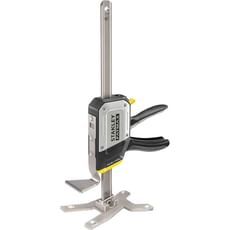
The range at Tooled-Up.com includes innovative solutions like the Stanley FatMax Tradelift, which exemplifies modern object lifter design. These tools typically feature a foot-operated lifting mechanism that allows users to raise objects weighing up to 150kg or more through heights of 220mm, providing sufficient clearance to slide wheeled platforms or protective materials underneath. Unlike traditional jacks designed for vehicles, object lifters are specifically engineered with wider contact surfaces and stability features suited to irregularly shaped household and commercial items.
Most professional-grade object lifters incorporate ergonomic handles, non-slip contact pads, and robust steel construction to ensure safe operation even under maximum load. They're particularly valuable in situations where access is restricted, help is unavailable, or when protecting your back is paramount during repetitive lifting tasks on site or during removals work.
Jargon Buster
- Lifting Capacity: The maximum weight the object lifter can safely raise, typically measured in kilograms. Professional models commonly handle 100-150kg, though some heavy-duty versions exceed this threshold.
- Lift Height: The maximum vertical distance the tool can raise an object from its resting position, usually between 150-220mm. This measurement determines whether you'll have sufficient clearance for your intended purpose.
- Fulcrum Point: The pivot point around which the lever mechanism operates. Understanding this helps you position the lifter correctly for optimal mechanical advantage and safe lifting.
- Contact Surface: The area of the lifter that touches the object being raised. Wider surfaces distribute weight more evenly and prevent damage to delicate items or finishes.
- Leverage Ratio: The mechanical advantage provided by the tool's design, allowing users to lift weights far exceeding what they could manage manually. Quality lifters offer ratios that make 150kg feel like a fraction of the actual weight.
- Foot Pedal Operation: A hands-free lifting mechanism activated by foot pressure, leaving both hands available to steady and guide the object being raised.
Who Uses Object Lifters?
- Removal Companies & House Clearance Specialists: Essential for safely manoeuvring heavy furniture and appliances during domestic and commercial moves
- Kitchen & Bathroom Fitters: Invaluable when installing or removing heavy white goods, range cookers, and solid worktops in tight spaces
- Flooring Installers: Used to lift furniture temporarily whilst laying carpets, vinyl, or other floor coverings without requiring the client to empty rooms completely
- Shopfitters & Retail Installation Teams: Helpful when positioning heavy display units, safes, and commercial equipment within stores
- Facilities Management & Maintenance Teams: Useful for rearranging office furniture, relocating equipment, and accessing areas beneath heavy machinery
- Construction Site Workers: Beneficial when positioning building materials, lifting panel products, or manoeuvring awkward items around site
- DIY Enthusiasts & Homeowners: Perfect for home improvement projects, furniture rearrangement, and appliance installations without requiring assistance
- Antique Dealers & Furniture Restorers: Gentle lifting of valuable pieces without risk of damage or strain
How to Choose the Right Object Lifters
Weight Capacity: Always select a lifter rated significantly above your heaviest anticipated load. Professional tradespeople should consider models with 150kg capacity as standard, providing adequate safety margin for most domestic appliances and furniture pieces.
Lift Height Requirements: Consider what you need to achieve once the object is raised. If you're sliding furniture sliders underneath, 150mm might suffice, but for positioning wheeled dollies or thick protective materials, opt for 220mm lift height models.
Portability and Storage: Tradespeople working across multiple sites benefit from compact, lightweight designs that store easily in vans alongside other equipment. Look for models under 5kg if portability is crucial to your workflow.
Build Quality and Durability: Tools from reputable brands like Stanley feature robust steel construction and quality engineering that withstands daily professional use. Cheaper alternatives may fail prematurely under demanding site conditions, creating safety hazards.
Contact Surface Design: Non-slip, padded contact surfaces protect delicate finishes on furniture and appliances whilst providing secure grip. Wider surfaces distribute weight more effectively across the object being lifted.
Operational Ease: Foot-operated pedal mechanisms allow hands-free lifting whilst you stabilise the object. This design significantly improves safety compared to manually-pumped alternatives requiring one-handed operation.
Stability Features: Look for wide base designs and anti-slip feet that prevent the lifter shifting under load. Stability becomes increasingly important when working on uneven surfaces or site conditions.
Popular Accessories
- Furniture Moving Dollies: Four-wheeled platforms that slide beneath raised objects, allowing easy transportation across floors once lifted
- Furniture Sliders: Low-friction pads placed under lifted items to enable smooth repositioning without repeated lifting
- Moving Straps and Harnesses: Complement lifters when objects require both raising and carrying through doorways or up stairs
- Protective Blankets and Padding: Essential for wrapping items once lifted to prevent damage during transportation
- Sack Trucks and Hand Trolleys: Work alongside object lifters for complete handling solutions when moving heavy items across distance
- Knee Pads: Comfortable PPE for operators who spend considerable time at floor level positioning lifters correctly
- Work Gloves: Quality grip gloves from brands stocked at Tooled-Up.com improve control when steadying objects during lifting operations
Safety Information
Load Limits: Never exceed the manufacturer's stated weight capacity. Overloading creates serious risk of equipment failure, dropped objects, and potential injury to operators or bystanders.
Stable Positioning: Always ensure the lifter sits on firm, level ground before operation. Unstable surfaces can cause the tool to shift unexpectedly under load, resulting in loss of control.
Correct Placement: Position the lifter's contact surface at the object's centre of gravity or recommended lift point. Incorrect placement may cause items to tip or slide off during raising.
Clear Surroundings: Maintain adequate clearance around the lifting area. Keep fingers, feet, and obstacles away from beneath the object being raised and the lifter's moving parts.
Controlled Operation: Raise and lower objects smoothly using steady pressure on foot pedals. Sudden movements can destabilise loads or cause equipment damage.
Regular Inspection: Check your object lifter before each use for signs of damage, wear, or mechanical problems. Pay particular attention to welds, pivot points, and contact surfaces.
Back Protection: Whilst object lifters dramatically reduce strain, always maintain proper posture when guiding raised items. These tools eliminate heavy lifting but still require sensible manual handling practices.
HSE Compliance: Professional users should ensure their manual handling procedures incorporating object lifters comply with Health and Safety Executive guidelines for workplace lifting operations.
Frequently Asked Questions
What weight can object lifters typically handle?
Professional-grade object lifters like the Stanley FatMax Tradelift can safely raise loads up to 150kg (330lbs). This capacity covers most domestic furniture, white goods, and building materials encountered during typical trade work. Always verify the specific rating of your chosen model and never exceed stated limits, as doing so compromises both safety and equipment longevity.
Can I use an object lifter on carpeted floors?
Yes, quality object lifters work effectively on carpet, vinyl, tile, and most other domestic flooring types. However, very deep pile carpets or extremely uneven surfaces may reduce stability. Ensure the base sits as level as possible and consider placing a board beneath the lifter on particularly soft surfaces to distribute weight and prevent sinking.
Do object lifters work for moving appliances like washing machines?
Absolutely – this represents one of their primary applications. Object lifters excel at raising washing machines, tumble dryers, dishwashers, and refrigerators to facilitate removal, installation, or floor cleaning beneath. The 220mm lift height provided by professional models gives ample clearance for positioning dollies underneath or accessing connection points.
How do object lifters differ from furniture jacks?
The terms are often used interchangeably, though object lifters typically feature more sophisticated foot-operated mechanisms and ergonomic designs suited to trade use. Traditional furniture jacks may use simpler lever systems. Professional object lifters also incorporate safety features like non-slip pads and stability-enhancing base designs that basic jacks lack.
Can one person operate an object lifter safely?
Yes – enabling solo operation represents the core purpose of these tools. Foot-pedal mechanisms leave both hands free to steady and guide objects during lifting. However, always assess each situation individually. Whilst the lifting itself becomes a one-person job, particularly awkward, valuable, or unstable items may still benefit from an assistant to ensure controlled, safe manoeuvring.