

Ogee & Classic Moulding Bits

Pay in 3 interest-free payments on purchases from £20-£3000 with  . Learn more.
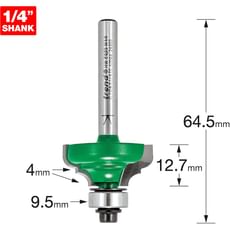
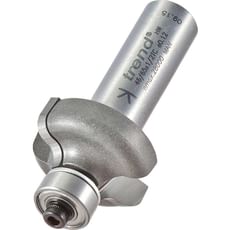
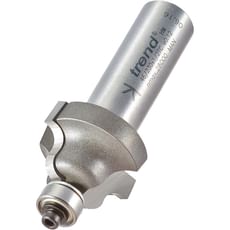
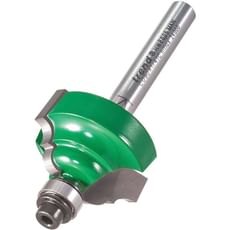
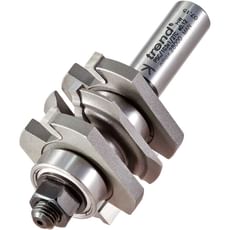
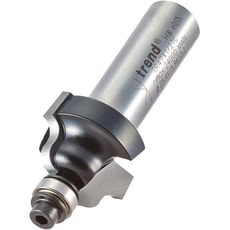
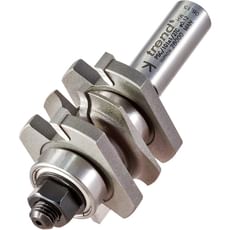
 Loading...
End of content
Error - No more pages to load
About Ogee & Classic Moulding Bits
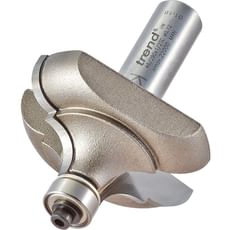
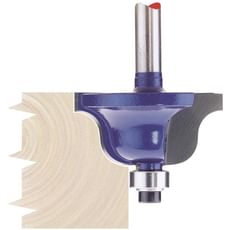
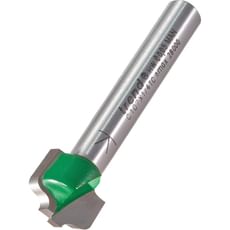
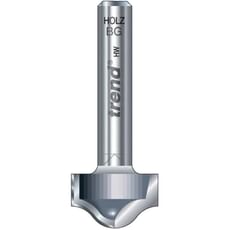
Ogee and classic moulding bits are specialist router cutters designed to create elegant, decorative profiles on the edges of timber workpieces. These bearing-guided cutters produce the distinctive S-shaped ogee curve and various traditional profiles that have been popular in furniture making and architectural joinery for centuries. The ogee profile combines a concave arc flowing into a convex arc, creating a sophisticated edge treatment that adds both visual interest and a professional finish to projects ranging from cabinet doors and drawer fronts to skirting boards and architraves.
The range available from Tooled-Up.com includes Roman ogee bits, classic ogee variations, combination profiles, and quirked designs that incorporate small decorative steps or beads alongside the main curve. Many of these bits feature tungsten carbide tipped (TCT) cutting edges for extended tool life and clean cuts through hardwoods, softwoods, and man-made boards. Bearing-guided designs eliminate the need for a fence, allowing the bearing to follow a template or the edge of the workpiece itself, ensuring consistent results even on curved or irregular shapes.
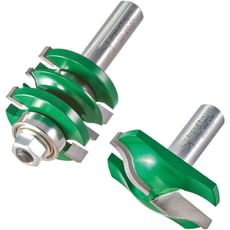
Professional-grade moulding bits from brands like Trend dominate this category, offering various shank diameters (typically 1/4" and 1/2") to suit different router models. Panel door sets and easyset combinations provide matched profiles for creating frame and panel doors, where the decorative edge treatment continues seamlessly around the entire construction. Whether you're restoring period features, crafting bespoke furniture, or adding decorative touches to joinery projects, these specialist cutters deliver the precision and finish that distinguishes professional work.
Jargon Buster
- Roman Ogee: A specific ogee profile where the concave curve at the top is larger than the convex curve below, creating an elegant asymmetric S-shape commonly used in classical architecture and traditional furniture.
- Quirk: A small, sharp groove or step incorporated into the moulding profile, adding visual definition and shadow lines that enhance the decorative effect of the cut.
- Bearing-Guided: Router bits fitted with a bearing that runs along the edge of the workpiece or template, controlling the cutting depth and ensuring consistent profile depth without requiring a router fence.
- TCT (Tungsten Carbide Tipped): Cutting edges brazed with extremely hard tungsten carbide material, providing superior edge retention and durability compared to high-speed steel, particularly when working with abrasive materials.
- Easyset: Matched pairs of router cutters designed to create complementary profiles for frame and panel door construction, where one cutter shapes the panel edge and the other cuts the receiving groove in the frame.
- Combination Profile: Router bits that incorporate multiple decorative elements in a single pass, such as an ogee curve combined with a bead or fillet, reducing setup time and ensuring consistent alignment between profile elements.
Who Uses Ogee & Classic Moulding Bits?
- Joiners and cabinet makers creating bespoke furniture, fitted kitchens, and built-in wardrobes with decorative edge treatments
- Architectural woodworkers restoring or replicating period features in heritage buildings and conservation projects
- Door manufacturers producing traditional panel doors for residential and commercial applications
- Shop fitters crafting display units, counters, and retail furniture with professional edge profiles
- Staircase specialists shaping handrails, newel posts, and decorative mouldings for traditional staircases
- Furniture restorers matching existing profiles when repairing or reproducing antique and period pieces
- DIY enthusiasts undertaking home improvement projects, custom shelving, and woodworking hobbies requiring decorative finishes
- Timber window and door installers creating or repairing traditional joinery profiles in restoration work
How to Choose the Right Ogee & Classic Moulding Bits
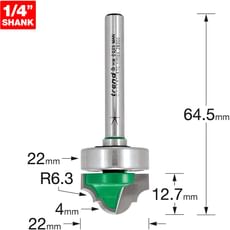
Shank diameter compatibility is your first consideration—ensure the bit matches your router collet size. Half-inch shanks provide better stability and reduced vibration for larger profile cutters, whilst quarter-inch shanks suit lighter-duty routers and smaller profiles. Check your router's maximum shank capacity before purchasing.
Profile size and proportions should match your workpiece dimensions and project requirements. Larger ogee profiles suit substantial timber sections like door frames and architectural mouldings, whilst smaller profiles work better on drawer fronts and delicate furniture components. Consider the visual balance between the profile depth and the overall thickness of your timber.
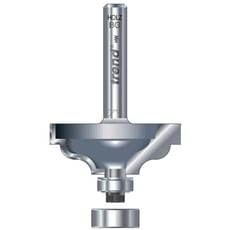
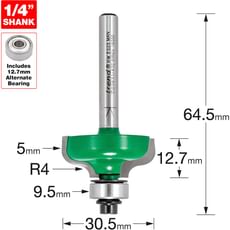
Bearing configuration affects the final profile appearance. Some Roman ogee bits include two bearings of different diameters, allowing you to cut the profile with or without the bottom quirk by simply changing the bearing. This versatility can eliminate the need to purchase multiple cutters for similar profiles.
Build quality and brand reputation directly impact cutting performance and longevity. Tooled-Up stocks predominantly Trend router bits, recognised throughout the UK trades for precision grinding, balanced construction, and reliable TCT brazing that withstands the heat and stress of production routing.
Panel door sets and matched profiles deserve consideration if you're undertaking frame and panel construction. Easyset combinations ensure the panel and frame profiles align perfectly, whilst individual cutters offer greater flexibility for mixing profiles or working on edge treatments alone.
Popular Accessories
- Router tables from brands like Trend and DeWalt for safer, more controlled operation when shaping smaller workpieces
- Guide bushes and template sets for pattern routing and consistent profile placement on multiple components
- Router bit storage cases to protect cutting edges from damage and keep your cutter collection organised
- Bearing sets in various diameters to modify profile depths and increase cutter versatility
- Router speed controllers for optimising cutting speed based on bit diameter and material hardness
- Push blocks and featherboards for maintaining consistent pressure and safe hand positioning during routing operations
- Dust extraction hoses and adaptors compatible with workshop vacuums to manage the significant waste produced by moulding operations
- Sharpening services and diamond honing tools to maintain TCT cutting edges at peak performance
Safety Information
Router bits with large cutting diameters generate significant centrifugal forces and require careful speed management. Consult your router manual and the bit manufacturer's recommendations for maximum safe speeds—larger diameter moulding bits typically require slower rotation speeds than smaller cutters to prevent dangerous vibration and potential bit failure.
Always ensure workpieces are securely clamped or held against a router table fence, never attempting to rout freehand without proper guidance. The bearing provides profile control but doesn't prevent kickback or workpiece movement. Maintain firm, consistent pressure and feed direction, always routing against the bit rotation to maintain control.
Wear appropriate PPE including safety glasses or a face shield to protect against flying chips, and hearing protection as routers operating at high speeds produce damaging noise levels. Dust masks or respirators are essential when routing MDF or treated timber, as fine dust particles present serious respiratory hazards. Ensure adequate dust extraction is connected and functioning before commencing work.
Inspect router bits before each use for cracks, damaged carbide tips, or bearing wear. A damaged bit can disintegrate at high speed with potentially catastrophic consequences. Disconnect the router from the 240v mains supply before changing bits, and ensure collet nuts are properly tightened to the manufacturer's specifications. Never exceed your router's rated capacity or attempt to remove too much material in a single pass—multiple shallow cuts are always safer and produce better finish quality than aggressive single passes.
Frequently Asked Questions
Can I use ogee router bits in a handheld router or do I need a router table?
Both applications are suitable, though the choice depends on workpiece size and complexity. Handheld routers work well for larger panels, doors, and architectural mouldings where moving the tool is more practical than the workpiece. Router tables offer superior control and safety for smaller components, allowing both hands to guide the timber whilst the cutter remains stationary. For production runs or multiple identical pieces, a table setup at Tooled-Up generally provides more consistent results.
What's the difference between a Roman ogee and a standard ogee profile?
A Roman ogee features an asymmetric S-curve where the upper concave radius is larger than the lower convex radius, creating the profile commonly seen in classical architecture and period furniture. Standard or classic ogee profiles may have more balanced curves or incorporate additional decorative elements like beads, quirks, or fillets. The Roman profile specifically references the proportions favoured in classical design traditions.
Why do some router bits come with multiple bearings?
Multiple bearings allow profile variation from a single cutter, increasing versatility and value. A larger diameter bearing reduces cutting depth, whilst a smaller bearing allows the cutter to penetrate further into the workpiece edge. This is particularly useful with Roman ogee bits where changing the bearing can add or remove the bottom quirk, effectively providing two different profiles from one investment.
How do I prevent burning when routing hardwoods with moulding bits?
Burning results from excessive friction, typically caused by feeding too slowly or running the router too fast for the bit diameter. Maintain a steady, consistent feed rate—hesitation allows the rotating cutter to friction-burn the timber. Reduce router speed for larger diameter bits, ensure cutting edges are sharp, and consider making multiple shallow passes rather than removing all the material in one aggressive cut. Resinous hardwoods and highly figured grain are most susceptible to burning even with correct technique.
Can ogee router bits be resharpened when they become dull?
Professional sharpening services can restore TCT router bits, though the complex geometry of moulding profiles makes this more challenging than simple straight cutters. The cost of resharpening versus replacement should be considered—inexpensive bits may not justify professional sharpening costs, whilst premium large-diameter cutters certainly warrant the investment. Some woodworkers maintain cutting performance with careful diamond hone touch-ups on the flat faces of carbide tips, though this requires skill to avoid altering the profile geometry.