

Oil Cans & Oilers

Pay in 3 interest-free payments on purchases from £20-£3000 with  . Learn more.
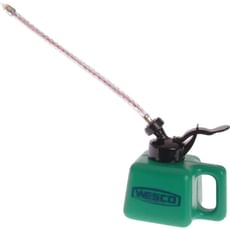
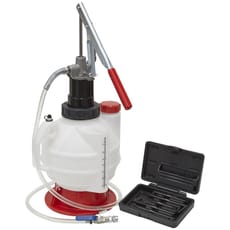
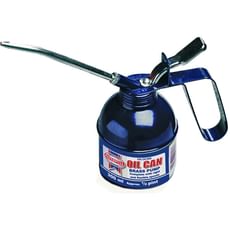
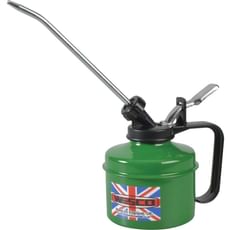
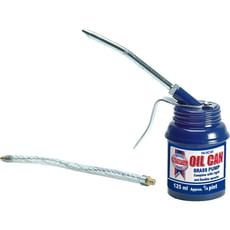
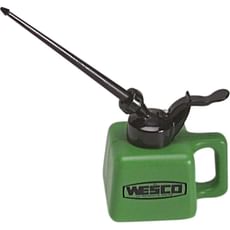
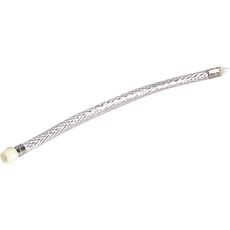
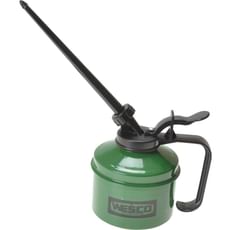
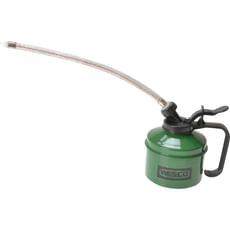
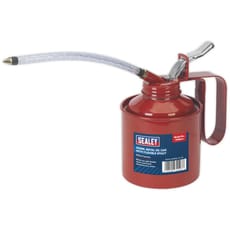
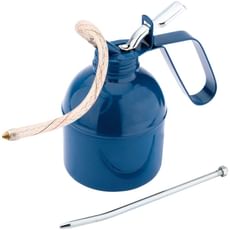
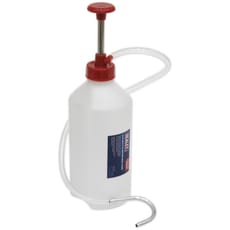
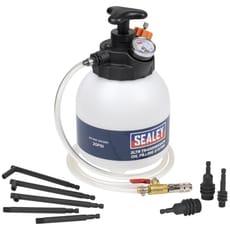
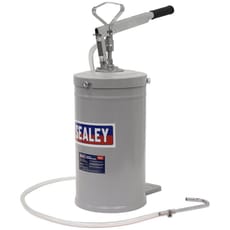
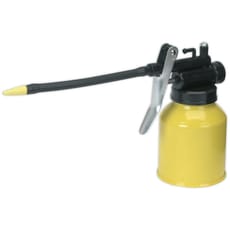
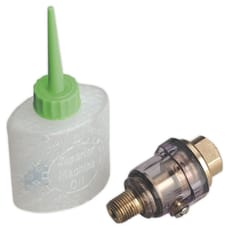
 Loading...
End of content
Error - No more pages to load
About Oil Cans & Oilers
Oil cans and oilers are precision lubrication tools designed to deliver controlled amounts of oil, grease, or other lubricants to machinery, equipment, and components. Whether you're maintaining workshop machinery, servicing vehicles, or keeping hand tools in peak condition, a quality oil can ensures accurate application whilst minimising waste and mess. From simple thumb-pump oilers for occasional use to professional-grade lever action and pneumatic dispensing systems, these tools play a vital role in preventative maintenance across workshops, garages, and industrial settings throughout the UK.
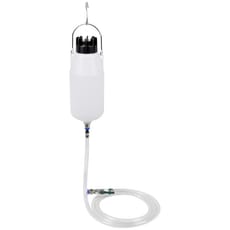
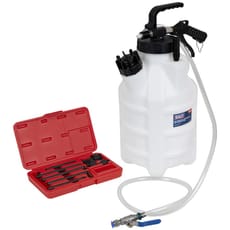
Modern oil cans and oilers come in various configurations to suit different applications and volumes. Traditional rigid spout oil cans remain popular for general workshop use, whilst flexible spout models allow access to awkward locations behind engines and machinery. Trigger action and lever action designs provide more controlled dispensing for precision work, and transparent reservoir models let you monitor fluid levels at a glance. For higher-volume applications, professional dispensing units with rotary pumps and specialised adaptors enable efficient servicing of gearboxes, transmissions, and hydraulic systems.
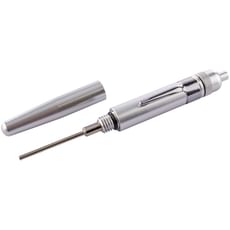
Quality matters when selecting lubrication equipment. Leading manufacturers such as Sealey, Faithfull, and Draper produce oil cans engineered for durability and consistent performance, with features including corrosion-resistant construction, precise flow control, and ergonomic designs that reduce hand fatigue during extended use. Tooled-Up.com stocks a comprehensive range from precision mini oilers with needle applicators for pinpoint lubrication, to heavy-duty mobile dispensing tanks with oil rotary pumps for commercial workshops. Whether you're a mobile mechanic requiring portable oiling solutions or a workshop manager equipping a busy garage, investing in proper lubrication tools protects expensive machinery and ensures maintenance tasks are completed efficiently and cleanly.
Jargon Buster
- Lever Action Oil Can: A manual dispensing tool featuring a lever mechanism that draws oil from the reservoir and dispenses it through a spout with each pump action, offering controlled, precise application ideal for machinery maintenance.
- Thumb Pump Oiler: A simple, compact oil can operated by pressing a button or trigger with your thumb to dispense small quantities of lubricant, perfect for quick touch-ups and general workshop use.
- Flexible Spout: A bendable delivery tube that can be shaped to reach awkward angles and recessed lubrication points, essential for accessing difficult-to-reach bearings and pivot points behind engine components.
- Force Feed Oil Can: A pressurised dispensing system that delivers oil under force, enabling penetration into tight clearances and ensuring complete lubrication of bearings and joints.
- Rotary Pump Dispenser: A hand-operated pump mechanism fitted to larger oil containers that delivers measured quantities of lubricant through a delivery hose, ideal for high-volume workshop applications.
- ATF (Automatic Transmission Fluid): Specialised hydraulic fluid used in automatic gearboxes and power steering systems, requiring dedicated adaptors and dispensing equipment for proper servicing.
Who Uses Oil Cans & Oilers?
- Motor Vehicle Technicians: For servicing engines, gearboxes, differentials, and chassis lubrication points on cars, vans, and commercial vehicles.
- Agricultural Engineers: Maintaining farm machinery, tractors, harvesting equipment, and implements that require regular greasing and oiling.
- Industrial Maintenance Fitters: Keeping factory machinery, production lines, and processing equipment properly lubricated to prevent costly breakdowns.
- Bicycle Mechanics: Applying precise amounts of oil to chains, derailleurs, cables, and pivot points on bicycles and e-bikes.
- Plant Operators: Maintaining construction equipment, excavators, loaders, and site machinery according to manufacturer schedules.
- Workshop Owners: Equipping commercial garages and repair facilities with professional lubrication equipment for efficient servicing.
- Marine Engineers: Servicing boat engines, winches, steering systems, and marine equipment in demanding saltwater environments.
- DIY Enthusiasts: Home mechanics and hobbyists maintaining their own vehicles, garden machinery, and workshop tools.
- Machinists: Lubricating lathes, milling machines, drill presses, and precision engineering equipment in machine shops.
How to Choose the Right Oil Cans & Oilers
Capacity and Application Volume: Consider how much lubricant you'll need to dispense regularly. Small 100-250ml thumb pump oilers suit light-duty maintenance and portable tool kits, whilst 500ml lever action cans handle general workshop tasks efficiently. For commercial garages and industrial settings, larger dispensing units with 5-20 litre capacities and rotary pumps significantly reduce refilling frequency and speed up servicing operations.
Dispensing Mechanism: Match the operating system to your typical tasks. Simple thumb pump designs work well for quick, occasional lubrication jobs. Lever action models provide better control and require less effort for extended use, making them ideal for tradespeople performing regular maintenance. Trigger action oilers offer one-handed operation, whilst pneumatic dispensers connected to workshop air lines eliminate manual pumping entirely for high-volume professional applications.
Spout Design and Reach: Evaluate the accessibility of lubrication points you regularly service. Rigid metal spouts suit straightforward applications with clear access, whilst flexible spouts prove invaluable when reaching behind components, around obstacles, or into recessed areas. Precision oil lubricators with needle applicators deliver pinpoint accuracy to small and awkward areas. Length matters too—longer spouts access deeper locations but may sacrifice precision, so some professionals keep multiple oil cans with different configurations to hand.
Material Construction: Look for corrosion-resistant materials, particularly if you work with aggressive lubricants or in demanding environments. Quality oil cans feature steel or aluminium bodies with protective coatings, whilst reservoir windows use transparent, chemical-resistant plastics. Check that seals and gaskets are oil-resistant to prevent leaks and ensure reliable operation over time. The selection at Tooled-Up includes brands like Sealey and Faithfull, known for robust construction that withstands daily professional use.
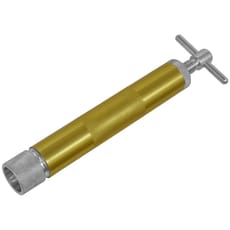
Specialised Features: Some applications demand purpose-built equipment. Vehicle technicians working with modern transmissions benefit from dedicated ATF adaptors and pressure dispensing systems such as Sealey's 7-speed DSG gearbox adaptor for VAG vehicles. Hydraulic cable oilers feature special fittings that inject lubricant into control cables. Suction oil guns allow you to extract as well as dispense fluids. Transparent reservoirs let you monitor contents and identify when refilling is needed, whilst graduated markings help measure quantities for mixing two-stroke fuel or following specific lubrication schedules.
Popular Accessories
- Replacement Spouts and Nozzles: Spare flexible and rigid spouts in various lengths and angles for adapting to different lubrication points.
- Extension Tubes: Additional reach components for accessing deeply recessed bearings and hard-to-reach machinery locations.
- Funnel Sets: For cleanly refilling oil can reservoirs without spillage, particularly useful with larger workshop dispensers.
- Drip Trays and Oil Pans: Essential for catching excess lubricant and preventing workshop floor contamination during maintenance work.
- Grease Guns: Complementary lubrication equipment for applying thicker greases where oil cans aren't suitable.
- Oil Storage Containers: Secure, clearly-labelled containers for storing different lubricant types in compliance with COSHH regulations.
- Workshop Towels and Rags: For wiping excess oil, cleaning spouts, and maintaining tidy working practices.
- Transmission Service Kits: Specialised adaptors and fittings for servicing specific vehicle makes and automatic gearbox types.
Safety Information
When using oil cans and oilers, always wear appropriate personal protective equipment including nitrile gloves to prevent prolonged skin contact with oils and lubricants, which can cause dermatitis. Safety glasses protect against splashes, particularly when working with pressurised dispensing systems or force feed oil cans. Ensure adequate workshop ventilation as some lubricants release harmful vapours, and never use compressed air to pressurise containers not designed for such use.
Store oils and lubricants according to COSHH regulations in properly labelled, sealed containers away from ignition sources and direct sunlight. Many lubricants are flammable, so keep oil cans away from hot surfaces, naked flames, and electrical equipment that may spark. Dispose of waste oil responsibly through authorised collection facilities—never pour it down drains or onto the ground. Clean up spills immediately using absorbent materials, as oil creates serious slip hazards on workshop floors.
When servicing pressurised systems such as hydraulics or transmissions, ensure equipment is properly depressurised before connecting dispensing adaptors. Check that your oil can or dispenser is compatible with the lubricant you're using, as some fluids may degrade incompatible seals or materials. Always refer to equipment manufacturer guidelines for specified lubricant types and service intervals to maintain warranties and ensure safe operation. Follow HSE guidance for safe handling and storage of oils in professional workshop environments.
Frequently Asked Questions
What's the difference between an oil can and a grease gun?
Oil cans dispense liquid lubricants with relatively low viscosity, such as engine oil, machine oil, or penetrating fluid, through a narrow spout for precise application. Grease guns handle much thicker, semi-solid lubricants (greases) and use higher pressure to force the grease through fittings into bearings and joints. Both tools serve different lubrication needs in workshops and should be considered complementary rather than interchangeable equipment.
Can I use the same oil can for different types of lubricant?
Whilst technically possible after thorough cleaning, it's generally advisable to dedicate specific oil cans to particular lubricant types to avoid cross-contamination. Mixing lubricants can alter their properties and potentially damage equipment. If you regularly work with engine oil, hydraulic fluid, two-stroke mix, and other specialised lubricants, consider maintaining separate, clearly labelled oil cans for each type, or choose transparent models where contents remain visible.
How do I maintain my oil can to ensure it keeps working properly?
After each use, wipe the spout clean to prevent residue buildup that could block the opening or contaminate future applications. Periodically flush the reservoir with a compatible solvent if changing lubricant types. Check pump mechanisms, triggers, and levers for smooth operation, applying a drop of lubricant if they become stiff. Inspect seals and gaskets for deterioration, replacing them if leaks develop. Store oil cans upright in a clean, dry location to prevent contamination and maintain seal integrity.
What capacity oil can do I need for general workshop use?
For most tradespeople and workshop applications, a 500ml lever action or trigger oil can represents the sweet spot between capacity and portability. This size handles typical daily maintenance tasks without frequent refilling whilst remaining comfortable to hold and operate. Mobile mechanics and those with limited storage might prefer 250ml models, whilst busy commercial garages benefit from larger 1-litre cans or dedicated dispensing units with even greater capacity for high-volume servicing work.
Are pneumatic oil dispensers worth the investment for a small workshop?
Pneumatic dispensers offer significant advantages if you already have a workshop compressor and perform regular, high-volume lubrication work such as vehicle servicing or machinery maintenance. They eliminate hand fatigue from manual pumping, speed up operations considerably, and provide consistent dispensing pressure. However, for occasional use or light-duty applications, a quality lever action oil can provides excellent value and doesn't require compressed air infrastructure. Assess your typical workload and lubrication frequency before investing in pneumatic equipment.