

Oil Drain Pans & Containers

Pay in 3 interest-free payments on purchases from £20-£3000 with  . Learn more.
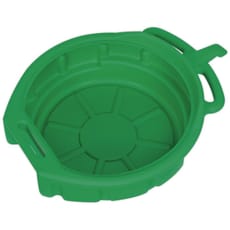
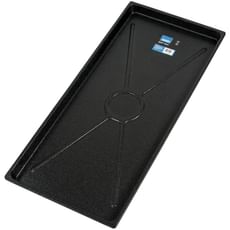
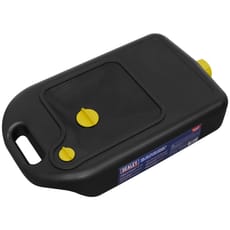
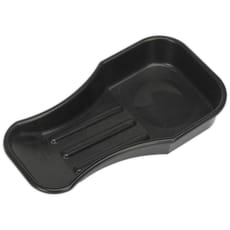
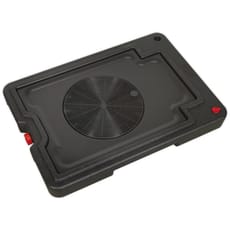
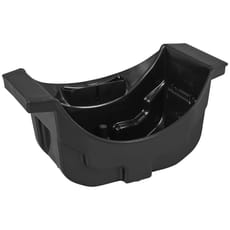
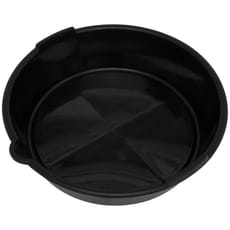
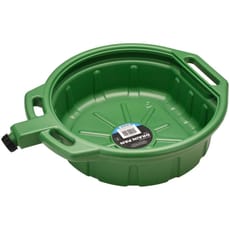
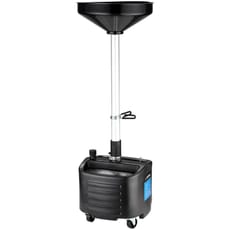
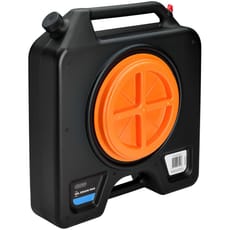
 Loading...
End of content
Error - No more pages to load
About Oil Drain Pans & Containers
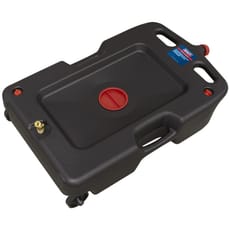
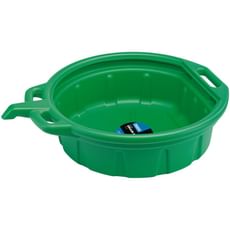
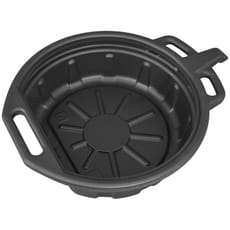
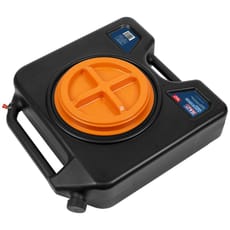
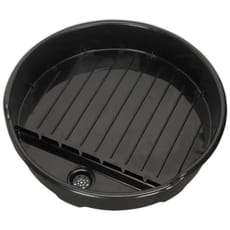
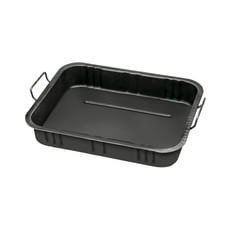
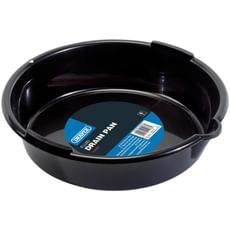
Oil drain pans and containers are indispensable workshop equipment designed to safely collect, store, and transport used oils, fluids, and other automotive liquids during maintenance and servicing operations. Whether you're carrying out a routine oil change, draining transmission fluid, or collecting antifreeze, having the right drain pan ensures a clean, safe, and environmentally responsible workspace. The selection available from Tooled-Up.com includes everything from compact drip trays for catching minor leaks to large-capacity wheeled containers for high-volume professional workshop use.
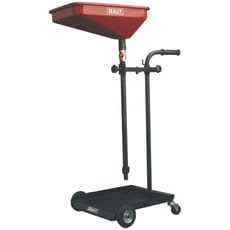
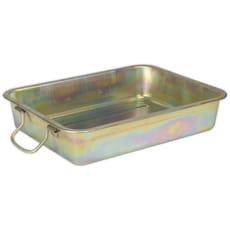
The collection features trusted brands including Sealey and Draper, offering solutions in various materials including durable plastic and robust metal construction. From low-profile designs that slide easily under vehicles with minimal ground clearance to specialised motorcycle drain pans and purpose-built drum drain pans for 205-litre oil drums, there's a solution for every application. Many models incorporate practical features such as integrated pouring spouts, graduated capacity markings, and wheels for easy manoeuvrability when handling substantial fluid volumes.
Professional mechanics, mobile servicing engineers, and DIY enthusiasts alike rely on quality oil drain pans to maintain cleanliness standards and comply with environmental regulations surrounding waste oil disposal. Investing in the appropriate drain pan or container not only protects your workshop floor from stains and contamination but also demonstrates adherence to HSE guidelines and COSHH regulations governing the handling of hazardous substances in the workplace.
Jargon Buster
- Low Profile Drain Pan: A shallow-height design that fits beneath vehicles with limited ground clearance, typically between 75-100mm tall, making them ideal for sports cars and lowered vehicles.
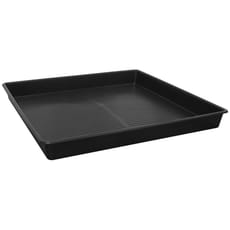
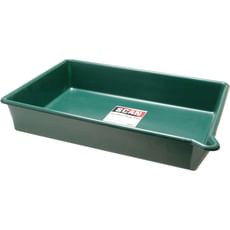
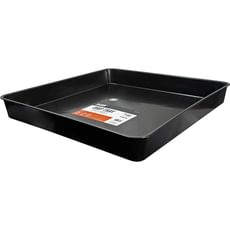
- Drip Tray: A shallow container designed primarily to catch minor leaks and drips during storage rather than active fluid drainage. Usually smaller capacity (1-5 litres) and often placed under parked vehicles or stored machinery.
- Fluid Capacity: The maximum volume of liquid the container can safely hold, typically measured in litres. Common workshop drain pans range from 5 litres for small jobs to 30+ litres for complete oil changes on larger vehicles.
- Recycle/Transfer Container: A drain pan with integrated features such as sealed lids and pouring spouts specifically designed for safe transfer of collected waste oil to recycling facilities or storage drums.
- Anti-Splash Rim: A raised or contoured edge design that prevents fluid spillage when the pan is moved or when draining flow is particularly heavy, essential for maintaining workplace cleanliness.
- Chemical Resistant Construction: Materials such as ABS plastic or coated metals that withstand degradation from prolonged contact with oils, solvents, antifreeze, and other automotive chemicals without rusting or deteriorating.
Who Uses Oil Drain Pans & Containers?
- Motor Mechanics and Technicians: Professional vehicle servicing workshops requiring daily-use equipment for oil changes, transmission services, and coolant system maintenance.
- Mobile Mechanics: Engineers working on-site who need portable, reliable fluid collection solutions that can be easily transported between job locations.
- Fleet Maintenance Teams: Operators responsible for servicing multiple vehicles including vans, lorries, and plant machinery requiring high-capacity drain containers.
- Motorcycle Mechanics: Specialists needing compact, manoeuvrable drain pans suited to smaller fluid capacities and tighter working spaces around bikes.
- Plant and Agricultural Engineers: Technicians servicing construction equipment, tractors, and agricultural machinery with large fluid capacities and often working in outdoor or field environments.
- DIY Enthusiasts and Home Mechanics: Individuals performing their own vehicle maintenance requiring affordable, practical solutions for occasional use.
- Industrial Maintenance Engineers: Factory and warehouse technicians maintaining hydraulic systems, compressors, and machinery requiring fluid drainage and collection.
- MOT Stations and Vehicle Testing Centres: Facilities requiring compliant waste oil handling equipment to meet environmental standards.
How to Choose the Right Oil Drain Pans & Containers
Capacity Requirements: Consider the typical fluid volumes you'll be handling. A standard car oil change requires 5-7 litres capacity, whilst larger vehicles like vans or 4x4s may need 10-15 litres. Professional workshops should opt for 20-30+ litre containers to handle multiple services or larger commercial vehicles without constant emptying.
Height and Ground Clearance: Measure the ground clearance of the vehicles you service most frequently. Low-profile pans (typically 75-100mm high) are essential for sports cars and lowered vehicles, whilst standard height pans (150mm+) work well for vehicles with normal or raised suspension.
Material Construction: Plastic drain pans manufactured from ABS offer lightweight portability, chemical resistance, and affordability, making them suitable for DIY use and light professional work. Metal drain pans provide superior durability for high-volume workshop environments, better puncture resistance, and typically higher heat tolerance for recently drained hot fluids.
Portability Features: For mobile mechanics or larger capacity containers, consider models with integrated wheels and handles. This significantly eases transportation when dealing with heavy fluid loads. Some professional-grade containers feature locking castors for stability during draining operations.
Pouring and Transfer Features: Look for integrated spouts, funnels, or pouring lips if you need to transfer collected fluids into storage drums or recycling containers. Models with removable lids help prevent spillage during transport and reduce evaporation of volatile fluids.
Specialist Applications: Specific jobs may require specialised equipment—drum drain pans with large collection areas for safely draining 205-litre oil drums, motorcycle-specific pans with compact footprints, or axle drain pans designed to catch fluid from differential housings at awkward angles.
Popular Accessories
- Oil Spill Absorbent Granules and Mats: Essential for quickly dealing with accidental spills and maintaining a safe, slip-free workshop floor.
- Waste Oil Storage Drums: Large-capacity sealed containers (typically 25-205 litres) for intermediate storage of used oils before collection by licensed waste disposal services.
- Funnels and Fluid Transfer Pumps: Tools for safely transferring collected oils from drain pans into storage containers without spillage.
- Oil Filter Crushers: Equipment for draining and compacting used oil filters to reduce waste volume and recover residual oil.
- Ramps and Vehicle Lifts: Providing adequate working height and access clearance for positioning drain pans beneath vehicles.
- Chemical Resistant Gloves: PPE for safe handling of oils and automotive fluids during draining and disposal operations.
- Oil Drain Plug Keys: Specialised tools for removing magnetic and recessed sump plugs without damage.
- Floor Protection Sheets: Additional shallow trays for protecting workshop floors from minor spills around the main drain area.
Safety Information
Chemical Handling: Used engine oil is classified as hazardous waste under UK environmental regulations and can contain harmful contaminants including heavy metals and carcinogens. Always wear appropriate chemical-resistant gloves when handling waste oils, and avoid prolonged skin contact. Ensure adequate ventilation in your workspace as petroleum vapours can accumulate in confined areas.
Temperature Awareness: Never drain hot fluids immediately after engine operation. Allow sufficient cooling time to prevent burns and to avoid warping plastic drain pans. Even metal containers can become uncomfortably hot. Fresh engine oil can exceed 100°C and requires at least 30 minutes cooling before safe drainage.
Environmental Compliance: Under COSHH regulations, waste oil must be stored securely to prevent environmental contamination. Use sealed containers with secure lids to prevent spillage during storage and transport. Never mix different fluid types (engine oil, antifreeze, brake fluid) as this complicates recycling and may create hazardous reactions. Arrange collection through registered waste oil carriers—it's illegal to dispose of waste oil through standard drainage systems or household waste.
Manual Handling: Large-capacity drain pans when full can weigh 25-30kg or more. Follow proper manual handling techniques, keep loads close to your body, and bend from the knees. Consider wheeled containers for high-volume applications to minimise lifting injury risks.
Fire Safety: Keep drain pans and stored waste oils away from ignition sources, naked flames, and hot surfaces. Ensure your workshop has appropriate fire extinguishers rated for petroleum fires (Class B), and never smoke near oil handling areas.
Frequently Asked Questions
What capacity drain pan do I need for a standard car oil change?
Most passenger cars require between 4-7 litres capacity for a complete oil change, so a drain pan with 8-10 litre capacity provides adequate margin for safety. If you work on larger vehicles like vans, SUVs, or light commercials, opt for 15-20 litre capacity. Professional workshops often choose 30+ litre containers to handle multiple services without emptying between jobs.
Can I use plastic drain pans for hot oil straight from the engine?
Whilst quality ABS plastic drain pans are designed to handle warm oils, it's recommended to allow engines to cool for at least 20-30 minutes after running before draining. This prevents potential warping of plastic containers and reduces burn risks. Most professional-grade plastic drain pans can safely handle oils up to 80-90°C, but always check manufacturer specifications.
How do I dispose of collected waste oil legally in the UK?
Used engine oil must be taken to an authorised waste oil collection point—never pour it down drains or dispose of it with household waste. Most local authority recycling centres accept waste oil free of charge for domestic quantities. Professional workshops must arrange collection through registered waste carriers licensed by the Environment Agency. Many parts suppliers and some petrol stations also operate collection schemes.
What's the difference between a drip tray and a drain pan?
Drip trays are shallow, low-capacity containers (typically 1-6 litres) designed to catch minor leaks and seepage from parked vehicles or stored equipment. Drain pans are deeper with larger capacities (6-30+ litres) specifically designed for actively collecting fluids during maintenance work like oil changes. Browse the selection at Tooled-Up.com to find models with features like pouring spouts and higher sidewalls that handle volume and enable safe transfer.
Do I need a low-profile drain pan?
If you regularly work on vehicles with ground clearance below 120mm—such as sports cars, performance vehicles, or lowered cars—a low-profile drain pan (typically 75-100mm height) is essential. Standard drain pans are often 150-200mm tall and won't fit beneath low-clearance vehicles. For general workshop use with standard family cars and vans, conventional height pans offer greater capacity and easier handling.