
Oil Filter Crushers

Pay in 3 interest-free payments on purchases from £20-£3000 with  . Learn more.
Loading...
End of content
Error - No more pages to load
About Oil Filter Crushers
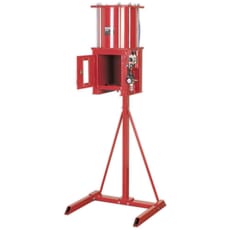
Oil filter crushers are indispensable pieces of workshop equipment that compress used oil filters to a fraction of their original size, typically achieving volume reduction of 70-80%. By applying immense crushing force—usually between 3-5 tonnes—these robust units flatten spent filters whilst extracting residual oil that would otherwise be wasted. The separated oil can be collected for proper recycling, whilst the compacted metal casing is disposed of as scrap steel rather than hazardous waste. For garages, service centres, and fleet workshops handling regular oil changes, investing in a quality filter crusher significantly reduces waste disposal costs and ensures compliance with HSE and COSHH regulations governing waste oil management.
Available in both manual and pneumatic configurations, oil filter crushers from trusted brands like Sealey offer solutions for workshops of all sizes. Pneumatic models connect to a standard workshop compressor and deliver rapid, effortless crushing—ideal for high-volume facilities performing dozens of oil changes daily. Manual crushers provide an economical alternative for smaller operations, mobile mechanics, or workshops without compressed air infrastructure. Both types feature heavy-gauge steel construction designed to withstand the demanding workshop environment and years of repeated use, with integrated oil drainage systems that capture extracted oil for environmentally responsible disposal.
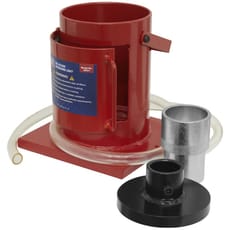
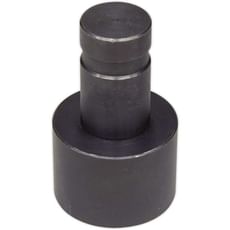
The selection available at Tooled-Up.com includes floor-mounted units with safety lock-out mechanisms that prevent the crushing chamber being opened during operation, along with crushing adaptors that extend the versatility of existing units. Modern oil filter crushers incorporate thoughtful design features such as waste oil transfer outlets, stable mounting bases, and chambers sized to accommodate filters from various vehicle types—from compact cars through to light commercial vehicles. For workshops committed to environmental responsibility whilst controlling operational costs, an oil filter crusher represents a practical investment that pays for itself through reduced skip hire charges and recovered oil value.
Jargon Buster
- Crushing Force
- The pressure applied by the crusher mechanism, measured in tonnes. Professional workshop units typically deliver 3-5 tonnes of force to completely flatten oil filters and extract maximum residual oil. Higher crushing forces ensure thorough compression of heavy-duty filters with thick metal casings.
- Pneumatic Operation
- Crushers powered by compressed air rather than manual effort. These units require connection to a workshop compressor (typically 6-8 CFM at 90-120 PSI) and offer significantly faster crushing cycles with minimal physical exertion—completing each filter in 15-30 seconds compared to 1-2 minutes for manual models.
- Volume Reduction
- The percentage decrease in filter size achieved through crushing. Quality crushers reduce filter volume by 70-80%, dramatically lowering storage space requirements and waste disposal costs. This compression transforms bulky filters into flat discs approximately 25mm thick.
- Oil Drainage System
- An integrated collection chamber, tray, or transfer outlet that captures oil extracted during crushing. This feature allows recovered oil to be safely drained into waste oil storage containers for recycling, ensuring compliance with environmental regulations whilst maintaining a clean working area.
- Safety Lock-Out Device
- A mechanical or pneumatic safety mechanism that prevents the crushing chamber door being opened whilst the unit is under pressure. This critical safety feature protects operators from injury caused by sudden pressure release or oil spray.
- Crushing Chamber
- The working compartment where oil filters are positioned for compression. Chamber dimensions determine the maximum filter size the unit can accommodate—critical when servicing larger vehicles such as vans, HGVs, or agricultural machinery with oversized filters.
Who Uses Oil Filter Crushers?
- Motor vehicle mechanics and automotive technicians in independent garages and franchised dealerships
- Fleet maintenance workshops servicing commercial vehicles, delivery vans, and company car pools
- HGV and commercial vehicle workshops handling high volumes of oil changes and scheduled servicing
- Fast-fit centres and MOT testing stations performing multiple oil changes daily
- Mobile mechanics and breakdown recovery services requiring efficient waste management solutions
- Agricultural engineers maintaining tractors, combine harvesters, and farm machinery
- Plant hire companies servicing construction equipment, excavators, and powered access platforms
- Local authority workshops maintaining council vehicle fleets and municipal equipment
- Marine engineers servicing boat engines, marine diesel equipment, and watercraft
- Industrial maintenance teams managing on-site machinery and powered equipment
- Motorsport teams and racing workshops processing filters from performance vehicles
How to Choose the Right Oil Filter Crushers
Manual or Pneumatic Operation: Consider your workshop infrastructure and daily workload carefully. Pneumatic crushers require connection to a workshop compressor but deliver crushing cycles in 15-30 seconds with minimal physical effort—invaluable for busy facilities performing 10+ oil changes daily. Manual units offer excellent value for lower-volume operations, don't require compressed air, and suit mobile mechanics or workshops without existing compressor infrastructure. If you already run pneumatic tools like impact wrenches, a pneumatic crusher will integrate seamlessly into your workflow.
Crushing Chamber Capacity: Assess the filter sizes you typically handle. Most crushers accommodate standard car and light commercial vehicle filters without issue, but if you service vans, HGVs, agricultural machinery, or plant equipment, verify the crushing chamber dimensions accept larger industrial filters. Check maximum filter diameter and height specifications against your most common filter types—undersized chambers create frustrating bottlenecks in your waste management process.
Crushing Force Rating: Look for units delivering at least 3-4 tonnes of pressure for reliable compression and oil extraction. Higher crushing forces ensure complete flattening of heavy-duty filters with reinforced casings, maximising both volume reduction and oil recovery. Inadequate crushing force leaves filters partially compressed, wasting the unit's potential cost savings.
Oil Collection Features: Choose models with integrated drainage systems or collection trays that simplify capturing extracted oil. Tooled-Up stocks crushers with dedicated waste oil transfer outlets that connect directly to storage drums, maintaining a clean workshop whilst ensuring environmental compliance. Effective oil capture is essential for meeting duty of care obligations under waste oil regulations.
Build Quality and Durability: Select crushers constructed from heavy-gauge steel with robust welding and quality components designed for daily workshop use. Sealey units feature stable mounting bases that resist tipping during operation and incorporate safety mechanisms that protect operators. Consider whether bench-mounting or floor-standing configuration suits your workshop layout—floor models offer greater stability for larger filters, whilst bench-mounted units save valuable floor space.
Safety Features: Prioritise crushers with safety lock-out devices that prevent the crushing chamber being opened during operation. This feature protects against sudden pressure release and oil spray hazards. Units with transparent or guarded crushing chambers allow operators to monitor the process without compromising safety.
Popular Accessories
- Waste oil storage tanks and collection drums for storing extracted oil prior to recycling
- Oil filter crushing adaptors that extend crusher versatility for different filter types
- Workshop air compressors rated for continuous operation to power pneumatic crushers efficiently
- Air hose reels and quick-connect fittings for convenient pneumatic equipment connection
- Oil drain pans and funnels for transferring recovered oil to storage containers
- Pre-draining racks that allow filters to gravity-drain before crushing, maximising oil recovery
- Disposable nitrile gloves rated for oil resistance when handling contaminated filters
- Spill containment pallets and absorbent mats for managing any oil spillages during crushing
- Scrap metal storage bins for collecting crushed filter casings awaiting recycling
- Workshop trolleys for transporting used filters from service bays to the crushing area
- Waste transfer documentation and record-keeping systems for environmental compliance
Safety Information
Always wear appropriate personal protective equipment when operating oil filter crushers, including safety glasses or face shields to protect against oil splatter and spray. Sturdy work gloves rated for oil resistance are essential—disposable nitrile gloves provide excellent protection when handling contaminated filters. Used oil filters contain hazardous substances, so avoid skin contact with residual oil.
Ensure pneumatic crushers are connected to properly maintained compressed air systems with adequate pressure regulation. Never exceed the manufacturer's recommended air pressure specifications, typically 90-120 PSI. Inspect air hoses regularly for damage, wear, or deterioration, and replace worn quick-connect fittings to prevent sudden disconnection during operation, which could cause injury or equipment damage.
Position the crusher on a stable, level surface and secure it properly according to the manufacturer's mounting instructions—floor-standing units must not tip during operation. Keep the work area well-ventilated when handling used oil filters, as residual oil may release harmful vapours. Install crushers near extraction ventilation where possible, particularly in enclosed workshop spaces.
Store and dispose of extracted waste oil in strict accordance with HSE and COSHH regulations. Use only approved waste oil containers with secure lids, and arrange collection through registered waste carriers holding appropriate environmental permits. Maintain accurate records of waste oil volumes and transfer documentation for inspection purposes. Never mix waste oil with solvents, coolants, or other substances, as contamination prevents recycling and increases disposal costs.
Before crushing each filter, allow it to drain thoroughly using a draining rack or suspended position—this maximises oil recovery whilst minimising splatter during compression. Keep hands, loose clothing, and jewellery clear of the crushing mechanism during operation. Never attempt to adjust settings, clear blockages, or retrieve items from the crushing chamber whilst the unit is under pressure. Wait for complete pressure release and use the safety lock-out device before opening the chamber.
Ensure crushed filter casings are completely drained and contain no free-flowing oil before disposal as scrap metal. Filters retaining liquid oil remain classified as hazardous waste with significantly higher disposal costs. Regular maintenance of crusher seals and drainage systems prevents oil leaks that could create slip hazards in the workshop environment.
Frequently Asked Questions
How much oil can typically be recovered from crushed filters?
A properly drained and crushed oil filter typically yields an additional 100-200ml of recoverable oil beyond initial gravity draining. In a busy workshop performing 20-30 oil changes weekly, this recovered oil accumulates to approximately 100-150 litres annually—representing considerable value when sold for recycling. Many waste oil collection services pay for recovered oil, helping offset the crusher's purchase cost whilst supporting environmental responsibility. The key to maximising recovery is allowing filters to pre-drain before crushing and maintaining the crusher's oil collection system in good working order.
Do I need a compressed air supply for all oil filter crushers?
No, manual oil filter crushers operate using mechanical leverage and require no compressed air infrastructure. However, pneumatic models do need connection to a workshop compressor, typically requiring 6-8 CFM (cubic feet per minute) at 90-120 PSI. If your workshop already has compressed air available for impact wrenches, ratchets, or spray guns, a pneumatic crusher offers substantially faster operation with minimal physical effort—completing each filter in 15-30 seconds compared to 1-2 minutes manually. For workshops without existing compressor capacity, manual crushers provide excellent value and avoid additional infrastructure costs.
Can oil filter crushers handle filters from all vehicle types?
Most standard crushers accommodate oil filters from cars, vans, and light commercial vehicles without difficulty, typically accepting filters up to 150-180mm in diameter. However, filters from HGVs, buses, agricultural machinery, and industrial plant equipment can be significantly larger—sometimes exceeding 200mm diameter and 300mm height. Always verify the crushing chamber dimensions and maximum filter size specifications against the vehicle types you service regularly. Workshops handling mixed fleets or plant equipment may require crushers with larger chambers or universal adaptors to accommodate oversized filters efficiently.
Are crushed oil filters considered hazardous waste after processing?
Once properly crushed and drained so they contain no free-flowing oil, filter casings are reclassified as scrap metal rather than hazardous waste. This classification significantly simplifies disposal and reduces costs—crushed filters can typically be recycled with other scrap steel through standard metal recycling services. However, the extracted oil must be stored and disposed of through registered waste oil collection services in accordance with environmental regulations. Filters retaining liquid oil remain classified as hazardous waste with substantially higher disposal costs, so thorough draining and crushing is essential for achieving cost-effective waste management.
How long does a quality oil filter crusher typically last in a busy workshop?
Quality oil filter crushers constructed from heavy-gauge steel with robust components typically provide 10-15 years of reliable service in busy workshop environments, often crushing tens of thousands of filters over their working life. Sealey units feature durable construction designed specifically for commercial workshop demands. Regular maintenance—including lubricating moving parts, inspecting seals, cleaning oil collection chambers, and checking pneumatic components—extends service life considerably. The initial investment in a quality crusher is recovered relatively quickly through reduced waste disposal costs, making these units highly cost-effective over their operational lifespan.