

Oil Filter Wrenches

Pay in 3 interest-free payments on purchases from £20-£3000 with  . Learn more.
 Loading...
End of content
Error - No more pages to load
About Oil Filter Wrenches
Oil filter wrenches are essential automotive maintenance tools designed to remove and install engine oil filters quickly and efficiently. During routine oil changes, oil filters can become extremely tight due to heat cycling, oil residue, and the rubber seal compression, making them impossible to remove by hand. Oil filter wrenches provide the necessary grip and leverage to loosen even the most stubborn filters without damaging the filter casing or surrounding engine components.
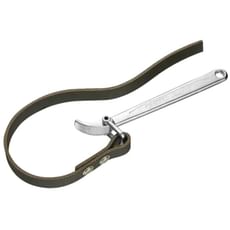
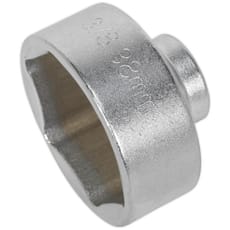
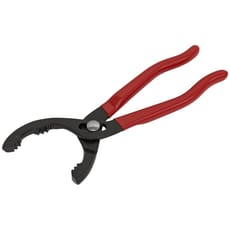
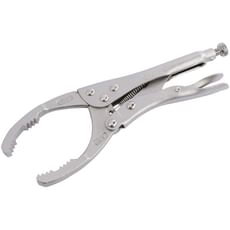
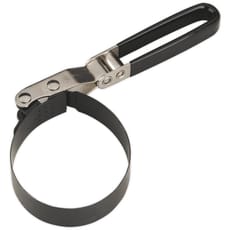
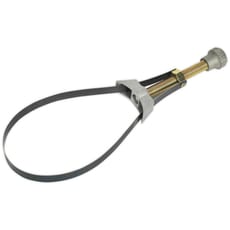
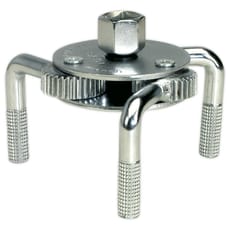
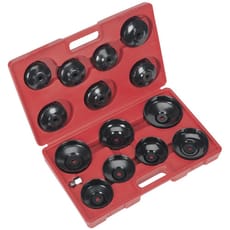
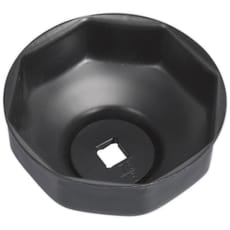
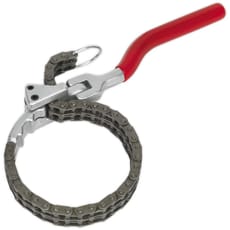
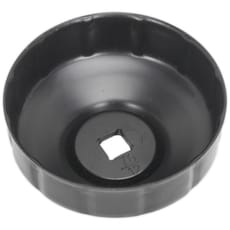
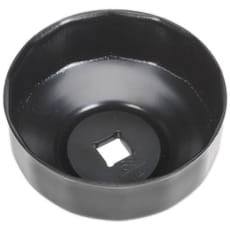
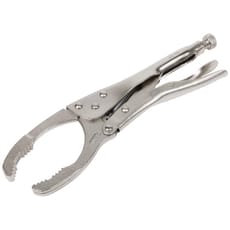
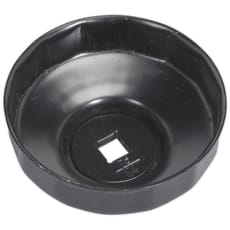
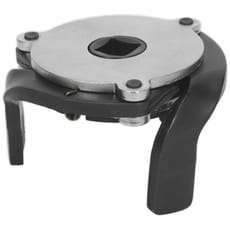
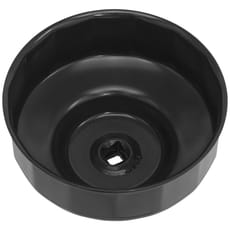
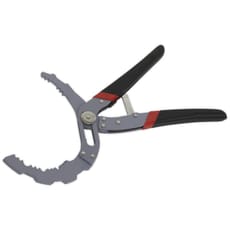
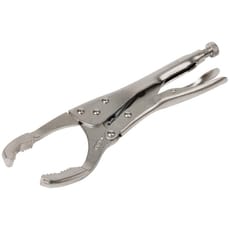
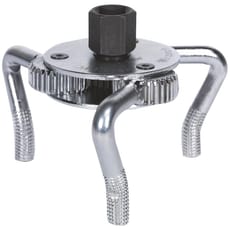
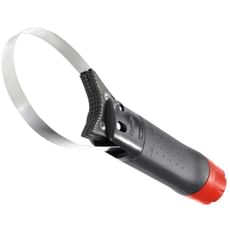
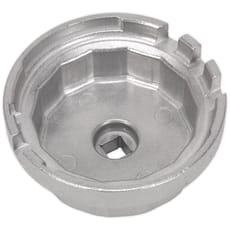
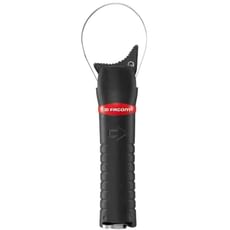
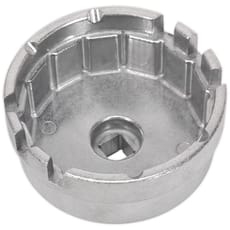
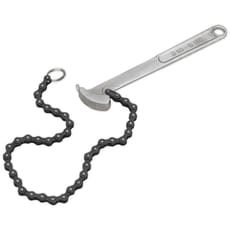
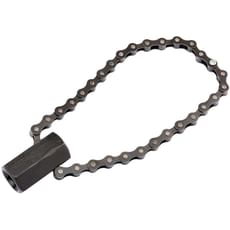
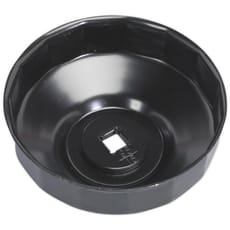
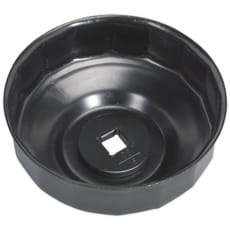
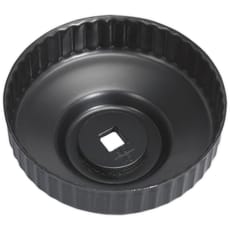
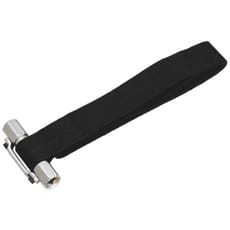
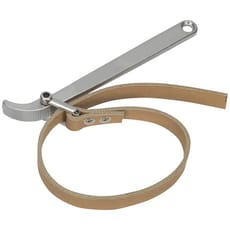
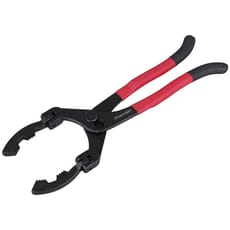
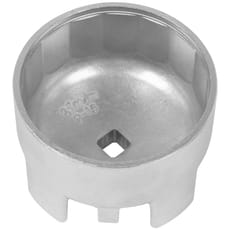
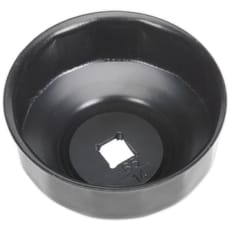
The selection at Tooled-Up.com includes several distinct wrench types to suit different vehicle models and workshop requirements. Chain-type wrenches feature an adjustable chain loop that wraps around filters of various diameters, operated via a square drive or hex nut. Strap wrenches utilise heavy-duty webbing with a cam mechanism to grip filters firmly without crushing them. Cap-type sockets fit specific filter sizes and attach to ratchets or breaker bars for controlled torque application. Three-leg adjustable wrenches use spring-loaded arms that self-centre on the filter, whilst vehicle-specific tools are engineered for difficult-to-access filters on particular makes and models like Ford, BMW, Mercedes-Benz, and Toyota.
Professional-grade oil filter wrenches from trusted brands including Sealey, Draper, and Facom combine durability with versatility. Many designs accommodate filter diameters ranging from 60mm to 140mm, whilst comprehensive socket sets provide dedicated fitments for dozens of common filter sizes. Whether you're servicing a single vehicle type or maintaining an entire fleet, selecting the appropriate wrench style ensures efficient filter changes whilst preventing rounded casings and costly damage.
Jargon Buster
- Square Drive: The square-shaped recess (commonly 3/8" or 1/2") that accepts drive tools like ratchets, breaker bars, or torque wrenches, allowing mechanics to apply controlled rotational force to the oil filter wrench.
- Cap Socket (Cup Socket): A cylindrical socket with internal gripping features designed to fit over the end of specific oil filter models, providing a secure multi-point grip similar to how a standard socket fits a bolt head.
- Strap Wrench: A tool featuring a flexible webbing strap that loops around the filter circumference, tightening as force is applied through a handle or drive mechanism to grip without crushing the filter casing.
- Three-Leg Wrench: An adjustable tool with three spring-loaded arms that self-centre on circular oil filters, distributing gripping pressure evenly around the filter body to prevent deformation.
- Chain Wrench: A wrench using a metal chain loop that wraps around the filter, tightened via a handle or drive mechanism to create a powerful gripping action suitable for extremely tight filters.
- Capacity Range: The minimum and maximum filter diameters that a particular wrench can accommodate, typically expressed in millimetres (e.g., 60-80mm or 80-130mm).
Who Uses Oil Filter Wrenches?
- Motor mechanics and automotive technicians performing routine vehicle servicing and oil changes
- Mobile mechanics requiring portable, versatile tools for roadside and customer-location services
- Fleet maintenance engineers servicing commercial vehicles, vans, and company car pools
- Agricultural engineers maintaining tractors, harvesters, and farm machinery
- Plant and HGV mechanics working with heavy goods vehicles and construction equipment
- MOT testing stations conducting pre-test vehicle preparation and basic servicing
- Motorcycle mechanics servicing bikes with cartridge-style oil filters
- DIY enthusiasts and home mechanics maintaining their own vehicles to reduce servicing costs
- Car dealership service departments conducting warranty work and scheduled maintenance
- Racing teams and motorsport workshops performing frequent oil changes between events
How to Choose the Right Oil Filter Wrenches
Filter Size Compatibility: Measure your vehicle's oil filter diameter or consult the service manual to determine the required capacity range. Universal adjustable wrenches suit multi-vehicle workshops, whilst dedicated cap sockets provide the most secure fitment for specific filter sizes and reduce the risk of slippage.
Wrench Type Selection: Chain wrenches excel with extremely tight filters and offer excellent gripping power but require more clearance space. Strap wrenches provide gentle, even pressure ideal for delicate aluminium filter housings. Cap sockets deliver the most controlled torque application and work in confined spaces, whilst three-leg wrenches offer quick adjustment between different filter sizes.
Drive Size and Tool Compatibility: Ensure the wrench's square drive matches your existing socket sets and ratchets. Professional mechanics typically favour 3/8" or 1/2" drives for compatibility with torque wrenches and breaker bars, whilst DIY users may prefer integrated handles for standalone operation without additional tools.
Access and Clearance: Consider the working space around your vehicle's oil filter. Top-mounted filters with ample clearance suit any wrench type, but filters positioned alongside engine blocks or behind subframes may require low-profile cap sockets or slim-design chain wrenches to avoid fouling on surrounding components.
Build Quality and Durability: Tools from established brands like Sealey, Draper, and Facom available from Tooled-Up feature hardened steel construction, corrosion-resistant plating, and reinforced webbing that withstands workshop environments and repeated use. Professional-grade tools justify their investment through reliability and longevity, particularly in commercial settings.
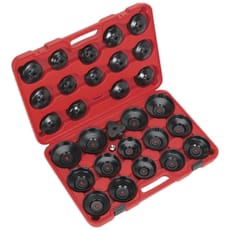
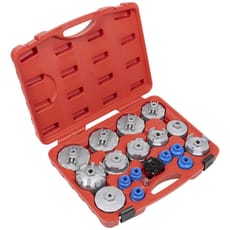
Set versus Individual Tools: Comprehensive socket sets containing 15-30 pieces cover the vast majority of passenger vehicles and light commercials, making them cost-effective for general workshops. Specialists maintaining specific vehicle marques may prefer individual vehicle-specific tools designed for problematic applications like Ford Durotorq or German premium manufacturers.
Popular Accessories
- Socket sets and ratchets: 3/8" and 1/2" drive ratchets and socket sets for operating cap-type oil filter wrenches
- Breaker bars: Long-handled leverage tools for extra torque when loosening seized filters
- Torque wrenches: Precision tools ensuring correct tightening torque on filter installation
- Oil drain pans: Collection containers for safely capturing used engine oil during filter changes
- Filter disposal crushers: Workshop equipment for compacting used filters for environmentally responsible disposal
- Inspection mirrors and magnetic pick-up tools: Aids for retrieving dropped components in cramped engine bays
- Engine oil: Replacement lubricants in various viscosities and specifications for different engines
- Drip trays and absorbent mats: Workshop consumables for containing spills and protecting work surfaces
- Nitrile gloves and workshop towels: Personal protective equipment and cleaning materials for oil changes
Safety Information
Hot Engine Components: Always allow engines to cool before commencing oil filter changes. Recently operated engines retain heat in the oil, filter housing, and surrounding components, presenting serious burn risks. Even after cooling, residual hot oil will drain from filters during removal—work cautiously and wear appropriate gloves.
Secure Vehicle Positioning: When accessing underneath-mounted oil filters, ensure vehicles are securely supported on axle stands or professional ramps, never solely on hydraulic jacks. Engage the handbrake and use wheel chocks to prevent vehicle movement during maintenance procedures.
Chemical Hazards: Used engine oil contains combustion by-products and metal particulates classified as hazardous waste under COSHH regulations. Wear nitrile gloves to prevent skin contact, and dispose of used oil and filters through licensed waste carriers—never pour down drains or dispose with general waste.
Tool Selection and Force Application: Select appropriately sized wrenches for the filter being removed. Excessive force applied through undersized or slipping tools can cause sudden release, resulting in hand injuries against sharp engine components. If filters refuse to budge, reassess your approach rather than applying extreme force.
Frequently Asked Questions
Which type of oil filter wrench is most versatile for a home mechanic?
A quality strap wrench or adjustable chain wrench offers the best versatility for DIY users maintaining one or two family vehicles. These designs accommodate a wide range of filter diameters (typically 60-140mm) without requiring multiple dedicated tools. The range available from Tooled-Up includes both professional Sealey and Draper models suitable for occasional and regular use.
Can I use an oil filter wrench to tighten filters during installation?
Whilst technically possible, manufacturers generally recommend hand-tightening oil filters only. Over-tightening with wrenches can crush the filter casing, damage the rubber seal, or make future removal extremely difficult. Tighten filters hand-tight, then add approximately three-quarters of an additional turn—consult your vehicle's service manual for specific torque specifications.
Why won't my filter wrench grip properly?
Oil contamination on the filter surface reduces friction and grip. Clean the filter casing with a rag or degreaser before attempting removal. Ensure the wrench size matches the filter diameter—undersized tools slip rather than grip. With strap and chain wrenches, verify the strap or chain isn't worn or damaged, and ensure you're rotating in the loosening direction (typically anti-clockwise when viewed from the filter end).
Do I need vehicle-specific oil filter tools?
Most conventional spin-on filters can be removed with universal wrenches. However, certain manufacturers use cartridge-style filters housed within aluminium caps requiring specific multi-point sockets. German premium brands (BMW, Mercedes-Benz, Audi, Porsche, VW) and some Ford diesel engines particularly benefit from dedicated tools designed for their unique filter configurations. Tooled-Up stocks both universal and vehicle-specific options.
How do I remove a filter that's been over-tightened or seized?
First, ensure you're using the correct wrench size and type for maximum grip. If the filter still won't budge, try a chain-type wrench which provides the strongest gripping force. As a last resort, carefully pierce the filter casing with a large screwdriver to create a leverage handle—but only use this method if you have clear access and can avoid damaging surrounding components. Always replace with a new filter, never attempt to reuse a damaged one.